
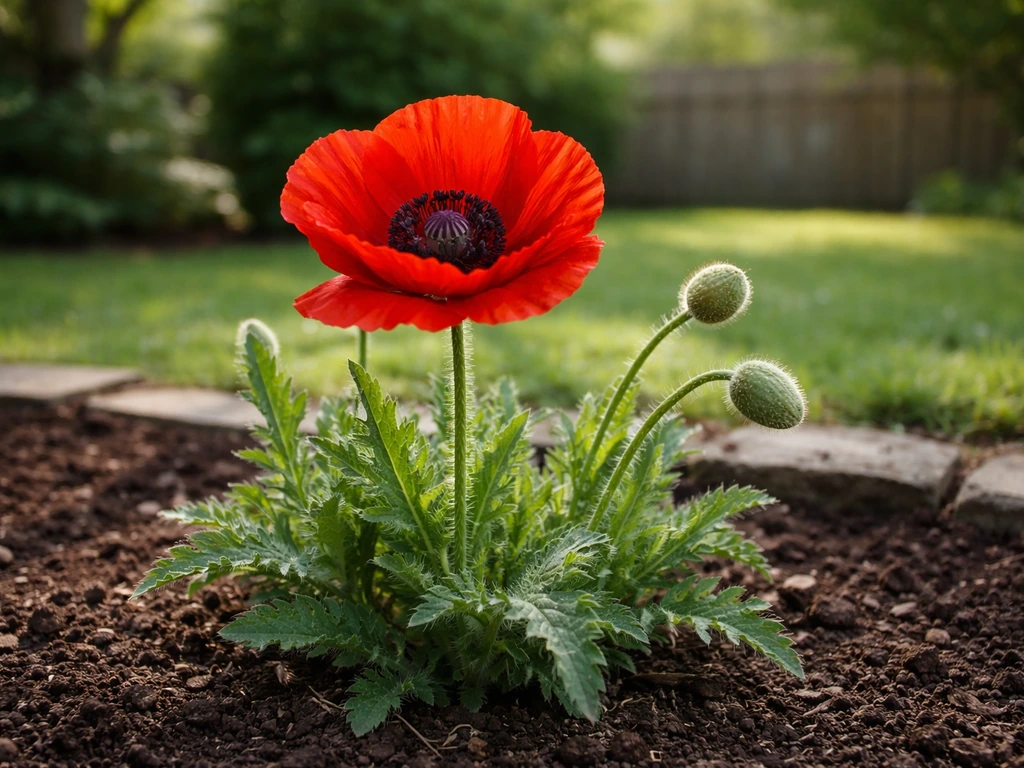
Yes, you can grow poppies in Georgia, and they actually do quite well here when you pick the right type and get your timing right. The key is treating them as cool-season annuals, sowing in fall or very early spring, and letting them bloom before Georgia's heat shuts them down. The varieties that work best are California poppy (Eschscholzia californica), Iceland poppy (Papaver nudicaule), and Shirley poppy (Papaver rhoeas), all of which UGA Cooperative Extension explicitly lists as Georgia-friendly ornamental annuals.
Can You Grow Poppies in Georgia? Planting Guide

Marcus Holloway
4 May 2026
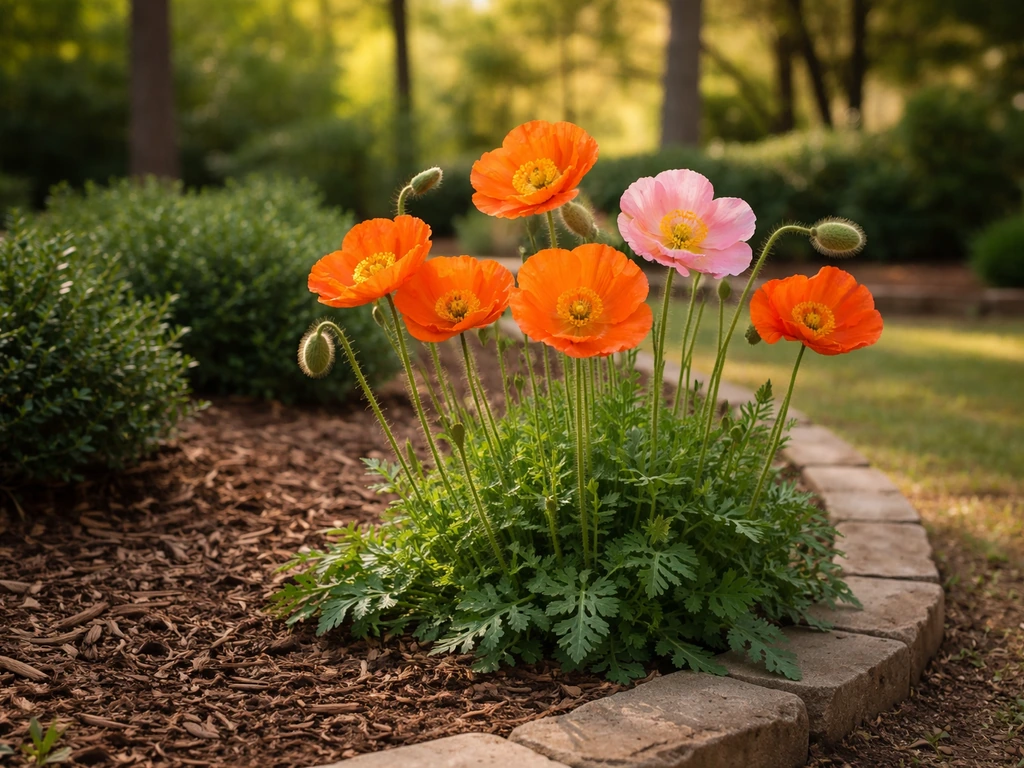
Which poppy are we talking about?
This matters more than most people realize. The word 'poppy' covers a wide range of plants, and not all of them are created equal from a legal or practical standpoint. The ornamental types you'll find in most seed catalogs, including California poppy, Iceland poppy, and Shirley poppy, are completely different species from Papaver somniferum, the opium poppy. The same legal ornamental poppy types are also the ones to look for if you’re wondering, can you grow poppies in Oregon Georgia-friendly ornamental annuals. That species is the one regulated under the federal Controlled Substances Act and defined under Georgia Title 16, Chapter 13 as a controlled substance plant. This guide focuses entirely on the legal ornamental species, which are the ones that make sense for home gardeners anyway.
It's worth knowing that California poppy isn't even a true Papaver, it's Eschscholzia californica. Iceland poppy is Papaver nudicaule and Shirley poppy is Papaver rhoeas. Both are distinct from the restricted species. If you're buying a packet labeled 'poppy mix' at a garden center, you're almost certainly getting one of these safe ornamental types. Just read the Latin name on the label to be sure.
Georgia's climate and what it means for poppies
Georgia spans a surprisingly wide range of growing conditions. The same cool-season timing and heat avoidance approach also applies in Ohio, but your fall sowing window will shift based on local temperatures and first-frost dates Georgia's climate. USDA hardiness zones run from Zone 6a in the northeast mountains all the way down to Zone 9a along the southern coastal plain. That's a big spread, and it affects when you can plant and which varieties will perform best in your specific part of the state.
For poppy growing purposes, the most important climate factor is not winter cold, it's summer heat. Poppies are cool-season plants that bloom beautifully in mild weather and then collapse when temperatures climb into the 80s and 90s consistently, which happens early in south Georgia and a bit later in the north. Average first freeze in northeast Georgia comes around mid-October, while central Georgia typically sees it closer to mid-November. That frost timing helps you figure out the back end of your fall-planting window.
The practical upshot: in north Georgia (Zones 6a to 7b), you have the most flexibility. A fall sowing in September or October gives plants time to establish before winter, and they bloom beautifully in March through May. In middle Georgia (Zone 8), aim for October through early November sowing for spring blooms. In south Georgia (Zones 8b to 9a), a November sowing often works well, and Iceland poppies may even push blooms through winter in mild years. Wherever you are, once daytime temps are consistently above 80°F, the show is over.
Best poppy varieties for Georgia gardens
These three are your go-to choices, all confirmed by UGA Extension as suitable for Georgia conditions:
| Variety | Species | Best for Georgia zone | Bloom season | Notes |
|---|---|---|---|---|
| California poppy | Eschscholzia californica | All zones | March to May | Extremely easy to grow, self-sows freely, drought tolerant once established |
| Iceland poppy | Papaver nudicaule | All zones, especially 7-9 | Winter to spring | 'Champagne Bubbles' is a popular cultivar with reliable germination; can bloom through mild winters in south GA |
| Shirley poppy | Papaver rhoeas | All zones | April to June | Delicate crepe-paper blooms, great for cottage gardens, does well in north GA cool springs |
For California poppy, the cultivar 'Mission Bells' is a reliable choice that produces bicolored flowers in a mix of warm tones and is widely available through seed companies. If you want a single-color statement, look for named single-color selections. For Iceland poppy, 'Champagne Bubbles' is a standout series with large, showy blooms and seeds available as primed seed for more consistent germination. Shirley poppies are typically sold as mixes, which works perfectly for a naturalistic cottage look. In the UGA Cooperative Extension bulletin PDF (B-954), Shirley poppy (Papaver rhoeas) is listed among annuals that can be direct-seeded in Georgia gardens blank" rel="noopener noreferrer">Shirley poppies are typically sold as mixes.
How to grow poppies in Georgia: site, soil, and timing
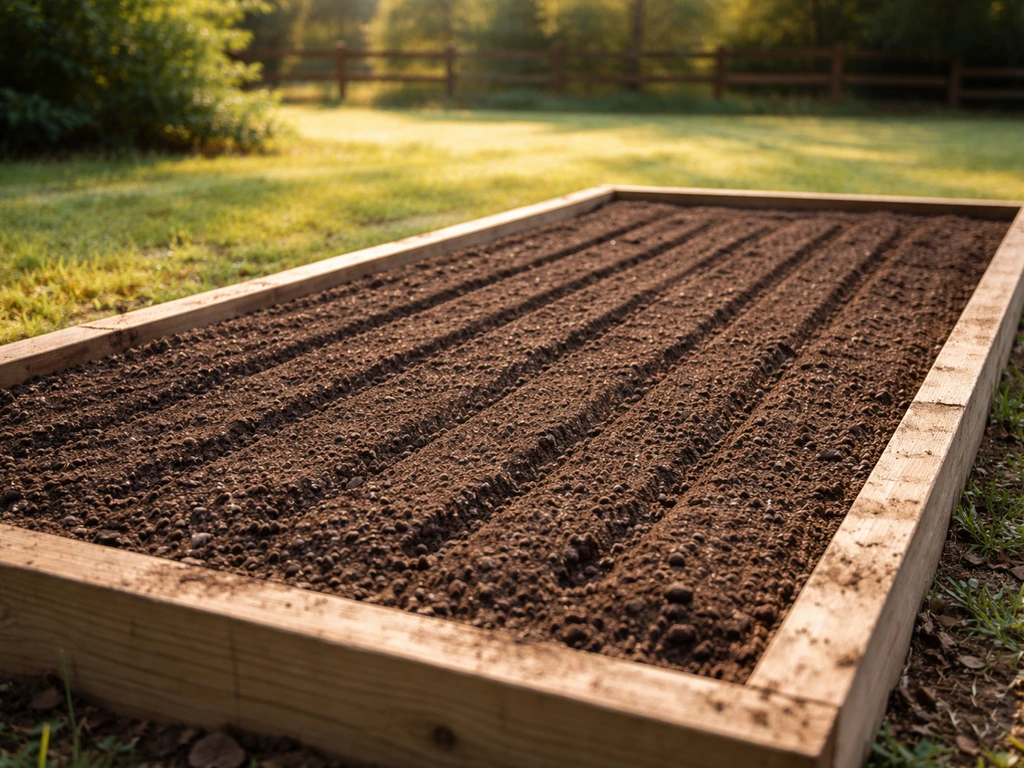
Site and light
Poppies want full sun, at least 6 hours of direct sunlight daily. In Georgia's warmer zones, a spot that gets morning sun and some afternoon shade can actually extend the bloom season slightly by reducing heat stress late in the season. Avoid low spots where water collects after rain. These plants hate sitting in wet soil.
Soil preparation
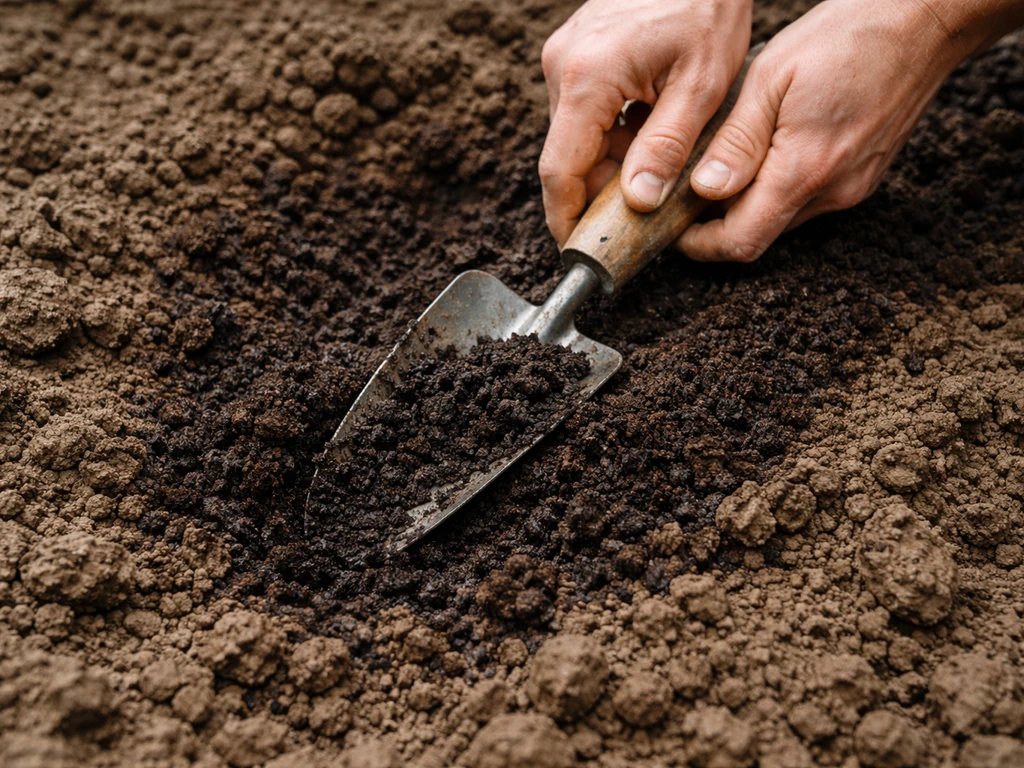
Well-drained, moderately fertile soil is the target. Georgia's heavy clay soils are the main enemy here. If you're dealing with clay, work in a few inches of compost or aged organic matter to improve drainage before you sow. You don't need rich soil, poppies actually perform better in lean to moderate fertility. Overly amended, nitrogen-rich soil tends to push leafy growth at the expense of flowers. Aim for a slightly acidic to neutral pH, roughly 6.0 to 7.0, which is typical of most Georgia garden soils anyway.
Timing by region
- North Georgia (Zones 6a-7b): Sow directly outdoors in September through October for spring blooms, or try a late February to early March sowing as a backup
- Middle Georgia (Zones 7b-8b): October through early November is the prime fall sowing window; an early March sowing can work but gives you less bloom time before summer heat
- South Georgia (Zones 8b-9a): November sowing works well; Iceland poppies may flower in December through February in mild winters
Planting method and care
Direct sowing is the way to go
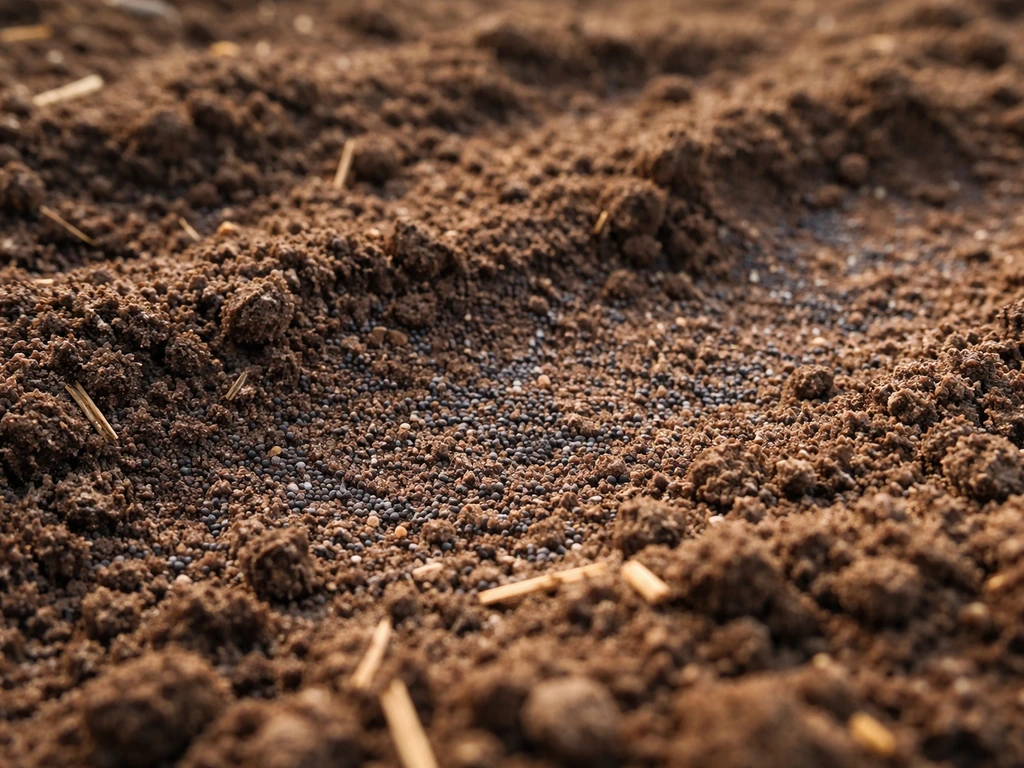
All three of these poppies do best when direct-seeded into the garden where they'll grow. California poppy in particular has a taproot that resents disturbance, making transplanting almost always a losing proposition. USDA NRCS guidance backs this up, noting that California poppy is most successfully established by direct seed application. Scatter seeds over your prepared bed, press them gently into the soil surface, and cover with no more than 1/8 inch of fine soil or leave them barely covered. Poppy seeds need light to germinate, burying them too deep is one of the most common reasons they fail to sprout. Water gently after sowing to settle the seeds.
Germination expectations
California poppy germinates in 14 to 21 days at soil temperatures around 60 to 65°F, which is exactly what Georgia soil offers in fall and early spring. Iceland and Shirley poppies have similar cool-soil preferences. From germination to first bloom, expect roughly 60 to 90 days depending on species and conditions. That timeline reinforces why fall sowing is so valuable in Georgia: plants establish through winter and are primed to bloom in spring rather than racing against the summer heat clock.
Watering
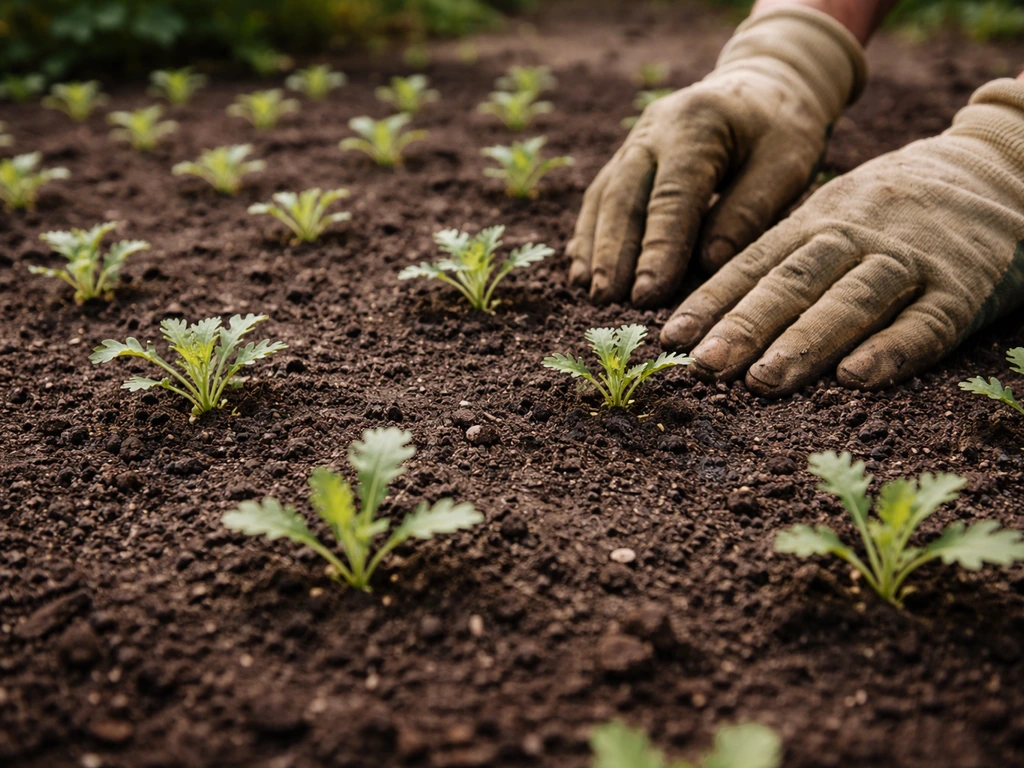
Keep the seedbed consistently moist but not soggy until seeds germinate and seedlings are established. Once plants are a few inches tall, back off. Poppies are surprisingly drought tolerant once established, especially California poppy. Overwatering is a real threat in Georgia's heavier soils where drainage is slow. Water deeply but infrequently, letting the top inch of soil dry out between waterings. During Georgia's rainy spring stretches, you may not need to water at all.
Thinning
When seedlings are about 2 inches tall, thin them to about 6 inches apart for California and Shirley poppies, and 8 to 12 inches apart for Iceland poppies. Thinning feels brutal but it's critical. Crowded poppies compete for light and airflow, which leads to the leggy, floppy growth and disease problems covered below. Snip the extras at soil level rather than pulling, so you don't disturb the roots of the plants you're keeping.
Pests and disease
Poppies in Georgia are relatively low-maintenance in the pest department, but aphids are the main thing to watch for. Bean aphids and green peach aphids are both known to target Papaver species. Check the undersides of leaves regularly. A strong spray of water knocks them off, and insecticidal soap handles heavier infestations. Fungal issues like downy mildew can appear in wet, crowded conditions, which is another reason proper spacing and good drainage matter. Slugs may also nibble young seedlings, especially in the damper north Georgia mountains.
Troubleshooting common problems
Seeds aren't sprouting
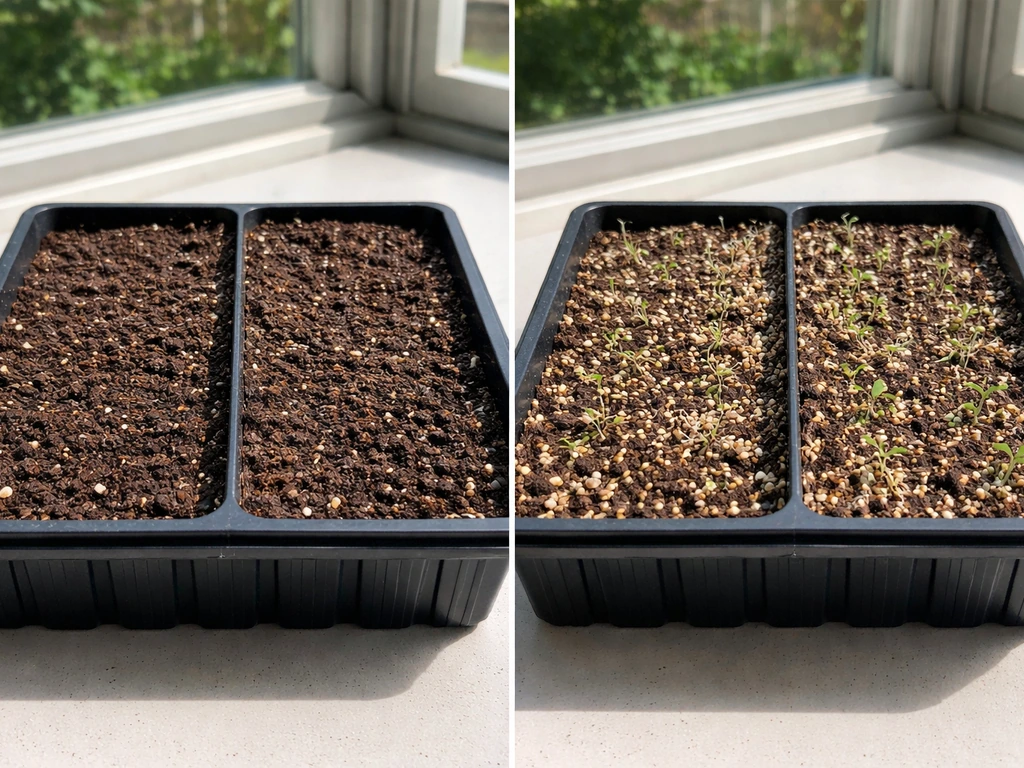
The two most likely culprits are sowing too deep or soil that's too warm. Poppy seeds need light and cool temperatures to germinate. If you sowed in summer or early fall when Georgia soil is still warm, germination will be poor or nonexistent. Wait until soil temps drop into the 60s. Also check that you didn't bury seeds more than 1/8 inch deep. If you're unsure, try surface sowing your next batch and just pressing seeds into moist soil with your palm.
Leggy or floppy plants
Leggy growth usually points to insufficient light or overcrowding. Make sure your site gets at least 6 hours of sun. If plants are crowded together, they stretch toward light and become weak-stemmed. Thinning properly at the seedling stage prevents most of this. If plants are already tall and floppy, you can stake them loosely with small twigs pushed into the soil, or let them lean into neighboring plants for support.
Heat stress and early decline
If your poppies are wilting, yellowing, or dropping flowers faster than expected in late April or May, that's Georgia's summer heat arriving early, not a disease. There's not much you can do to extend the season significantly once temperatures consistently hit the mid-80s. You can try a light layer of mulch around plants to keep roots cooler and retain moisture, but ultimately poppies in Georgia are a spring show, not a summer one. Enjoy them while they last and plan for next year.
Harvest and cleanup
Let some flowers go to seed if you want a self-sowing colony. California poppy is especially good at this and will often pop up reliably in the same spot year after year with no intervention from you. For Iceland and Shirley poppies, shake mature seed pods over the area where you want them to return next season, then scatter or snap off the remaining dried stalks. Pull or cut plants back after they decline in early summer and compost the debris. You can then use that space for a summer annual while your collected seeds wait for fall sowing conditions to return. In Michigan, the same cool-season approach works for ornamental poppies, but you will need to match the sowing window to your local temperatures You can then use that space for a summer annual.
If you're curious how Georgia's conditions compare to other states, the approach here differs from places like Oregon, where the cool, wet climate allows poppies to naturalize far more easily, or California, where the native California poppy basically grows itself in roadside conditions. If you're wondering, “can you grow poppies in the US,” the answer is yes, but the key is matching the cool-season timing to your local climate. In hotter states like Texas, the timing challenge is even more acute than in Georgia. The takeaway is that Georgia sits in a workable middle ground, warm enough to skip any winter protection concerns in most zones, but with enough of a cool season to give poppies what they need to bloom beautifully. If you are wondering can you grow poppies in Illinois, the key is choosing the right ornamental species and timing your fall sowing to match your local cool-season window.
FAQ
Can I start poppy seeds indoors or should I direct-seed in Georgia?
Yes, but do it for the right species and at the right moment. California, Iceland, and Shirley poppies are usually direct-seeded in Georgia rather than transplanted, but you can start them outdoors in a seed tray if you plan to keep disturbance minimal. Use a shallow container, sow very lightly on the surface, and transplant only if seedlings are still tiny and you can move the whole root mass. Even then, success rates drop most often with California poppy because its taproot resents being moved.
What’s the best alternative if I miss the fall planting window in Georgia?
For most gardeners in Georgia, fall sowing is the most reliable because it gives cool-season germination and spring bloom. If you miss fall, very early spring sowing can work, but aim when soil is in the 60s and you still have several weeks before daytime heat settles above 80 F. Practically, that means checking local first-frost and then counting forward until soil temperatures match poppy needs.
My poppy seeds did not sprout in Georgia, what are the most common reasons?
It depends on timing and burial depth. Poppy seeds must get light to germinate, so if you covered them deeper than about 1/8 inch, germination often fails. Also, Georgia soil can stay too warm in early fall, so seeds may sit without sprouting. If you have uncertainty, surface sow the next batch, press gently into moist soil, and avoid watering heavily immediately afterward.
Can I keep poppies blooming longer into summer in Georgia?
Yes, you can extend the look slightly, but you cannot “beat” Georgia summer heat for long. The most helpful approach is partial afternoon shade in warmer zones and optional light mulch to cool the root zone, keep it thin and not mounded against stems. Once temperatures are consistently in the mid-80s, most poppies will decline regardless, so plan for a spring display rather than a long summer one.
Do I still need to thin poppies if they look crowded, and what happens if I don’t?
For direct seeding, thin based on the species spacing targets, then stop watering so frequently that the bed stays wet. If you notice damp soil or fungal issues, spacing and drainage matter more than feeding. Also check airflow, remove or reduce crowding promptly, and water at the soil level rather than repeatedly misting the foliage.
How do I know if my Georgia soil will work for poppies, especially with clay?
A soil pH around 6.0 to 7.0 is ideal, but the bigger issue in Georgia is texture and drainage, especially clay. If your ground holds water after rain, poppies suffer even if the pH is fine. Improve drainage with compost or aged organic matter and consider a raised bed if water pools more than a short time after storms.
Slugs are eating my young poppy seedlings, what should I do in Georgia?
Often, slugs are the problem rather than an insect that later attacks fully grown plants. Protect seedlings with simple physical barriers (like barrier rings) and set up monitoring early in cool, damp periods. If you use slug control, follow label directions carefully because products can affect pets and beneficial insects.
How should I water poppy seeds and seedlings in Georgia without overwatering?
Light, shallow sowing plus consistent surface moisture is key. Use gentle watering (mist or a light spray) to avoid washing seeds deeper, and keep the seedbed evenly moist until you see sprouts. After seedlings establish, switch to deeper, less frequent watering, letting the top inch dry between waterings.
Will poppies reseed themselves in Georgia, and can I prevent them from coming back everywhere?
Self-sowing is usually strongest with California poppy in Georgia, and it can create a dependable colony if you let some pods mature. If you do not want poppies to spread, deadhead promptly after flowering, and remove pods before they shed seed. For partial control, leave just a few seed heads in a designated area.
Should I buy poppy mixes or named varieties for better results in Georgia?
If you want a more uniform display, choose named cultivars and consider primed seed for Iceland poppy, which can improve consistency. If you want a natural look, seed mixes work well. In either case, thin at the correct spacing because even great seed genetics will look leggy and weak if seedlings are crowded.
Next Articles
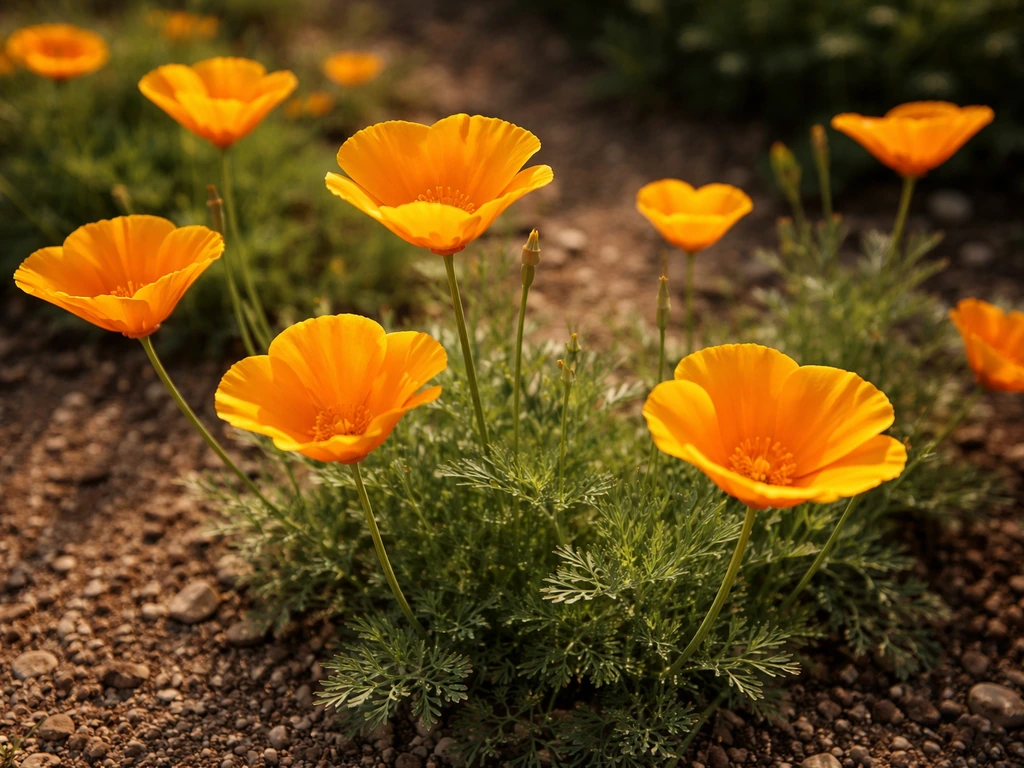
Can You Grow Poppies in California? Legal and How-To
Learn can you grow poppies in California, legality, and step-by-step tips to grow California poppies from seed.
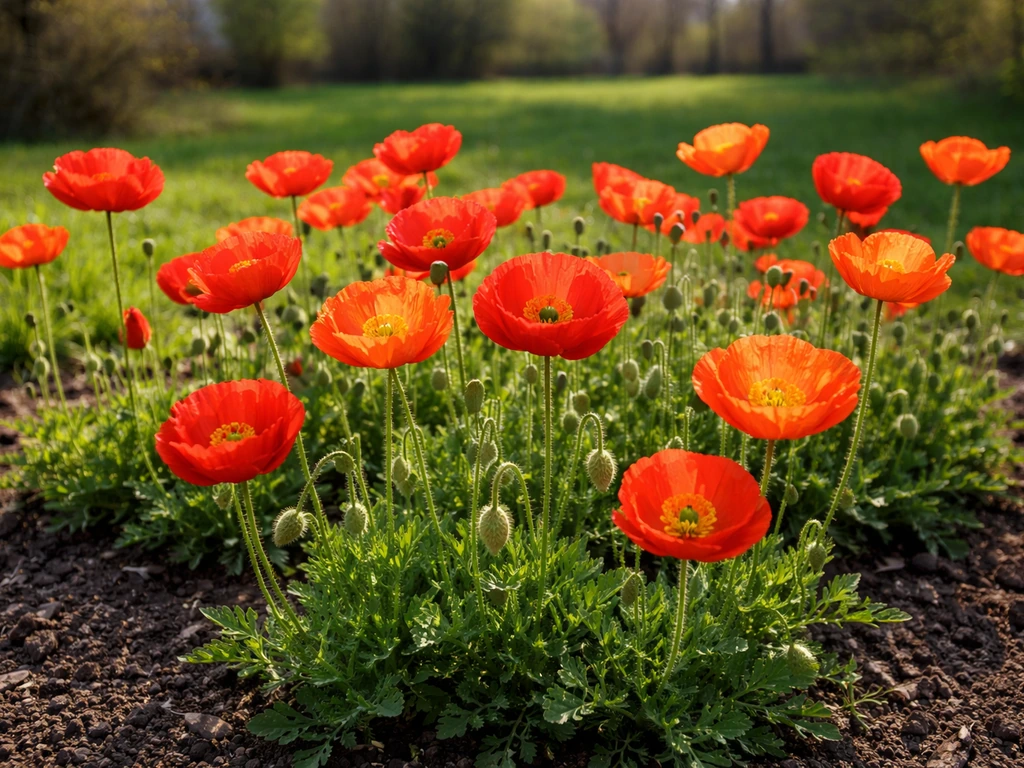
Can You Grow Poppies in Michigan? How to Succeed
Yes, grow poppies in Michigan with the right varieties and timing. Get sun, soil, sowing, and care steps for success.
Can You Grow Poppies in Ohio? Legal and Growing Guide
Find out if growing poppies in Ohio is legal, then get tips to grow ornamental poppies from seed in Ohio conditions.