
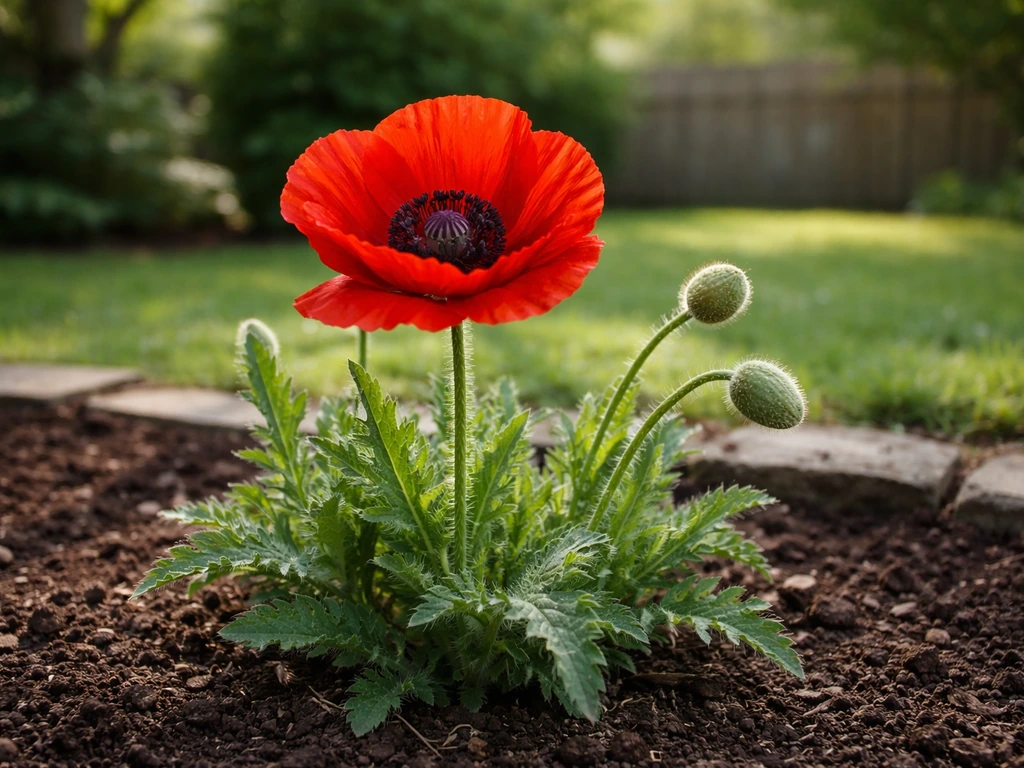
Yes, you can grow poppies in Ohio, and they do quite well here. But there is a real legality question buried in that simple answer, and it depends entirely on which poppy you are talking about. Get that part right first, then the growing side is straightforward. Ohio has a good climate for several ornamental poppy species, and with the right timing and a few basic habits, you can have a reliable pop of color from late spring through early summer without much effort.
Can You Grow Poppies in Ohio? Legal and Growing Guide

Marcus Holloway
19 Apr 2026
The legality question: what Ohio law actually says
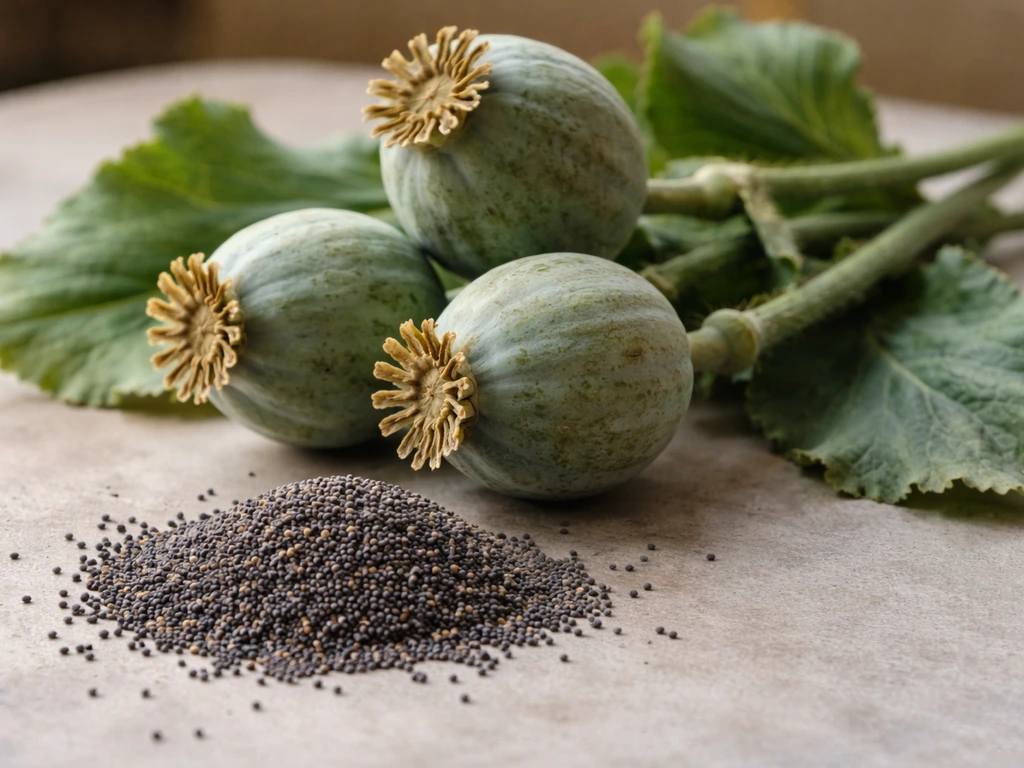
This is the first thing to sort out, and it is not as scary as it sounds. Under Ohio Revised Code § 3719.01, Ohio defines 'opium poppy' as the plant Papaver somniferum, except its seeds. That exception for seeds is important. It means buying and planting P. somniferum seeds is not itself the controlled act under Ohio law, but cultivating and possessing the plant material (including pods, stems, and latex) is where things get complicated. Federal law under 21 U.S.C. § 802(19) mirrors this definition almost exactly, and federal regulations list opium poppy and poppy straw in Schedule II of controlled substances.
There is also a wrinkle on the seed side. The Stephen Hacala Poppy Seed Safety Act and related DEA guidance make clear that while clean, horticultural seeds are excluded from the controlled definition, 'unwashed' poppy seeds that carry opiate alkaloid contamination on the seed coat are not treated the same way. There have been federal enforcement actions against sellers of unwashed P. somniferum seeds marketed for opiate tea, so where you buy seeds and how they are labeled matters. If you buy seeds from a reputable horticultural supplier specifically for planting, you are in a very different position than buying bulk unwashed seeds for culinary or extraction purposes.
Ohio law also defines drug paraphernalia to include blank" rel="noopener noreferrer">kits for propagating or cultivating any plant that is a controlled substance or from which a controlled substance can be derived. Ohio Revised Code defines “drug paraphernalia” broadly in this context, capturing equipment or materials used or designed for planting or cultivating controlled-substance plants or related activity under the § 2925.14 cross-reference blank" rel="noopener noreferrer">Ohio law also defines drug paraphernalia to include kits for propagating or cultivating any plant that is a controlled substance or from which a controlled substance can be derived.. This is a broad definition, but in practice, standard garden tools used to grow clearly ornamental species are not treated as paraphernalia. The practical takeaway: if you want to keep things completely clean and avoid any gray area, stick with ornamental species that are not P. somniferum. There are several excellent options that look fantastic and carry zero legal risk.
Which poppy are you actually thinking about?
When people search for growing poppies in Ohio, they usually have one of three plants in mind, and they behave differently both legally and in the garden. Here is a quick breakdown of what you are probably looking at.
| Species | Common Name | Type | Legal Status (Ohio) | Notes |
|---|---|---|---|---|
| Papaver rhoeas | Corn / Shirley poppy | Annual | No restrictions | Classic red petals; direct sow; easy |
| Papaver orientale | Oriental poppy | Perennial | No restrictions | Large blooms; late spring; dies back in summer |
| Eschscholzia californica | California poppy | Annual | No restrictions | Not a true poppy; drought-tolerant; very easy |
| Papaver somniferum | Opium poppy | Annual | Plant material restricted | Seeds excluded from definition; gray area; avoid if unsure |
For most Ohio home gardeners, Papaver rhoeas (corn poppy) and Papaver orientale (oriental poppy) are the best choices. P. rhoeas is a cheerful annual that blooms in late spring and early summer, reseeds freely, and is completely unrestricted. P. orientale is a hardy perennial that puts on a bold show with large, tissue-paper flowers in May and June, then goes dormant for the summer. California poppy (Eschscholzia californica) is technically not a poppy at all, but it looks similar, is dead simple to grow, and is a good option if you just want something low-maintenance and colorful.
How Ohio's climate plays out for poppies
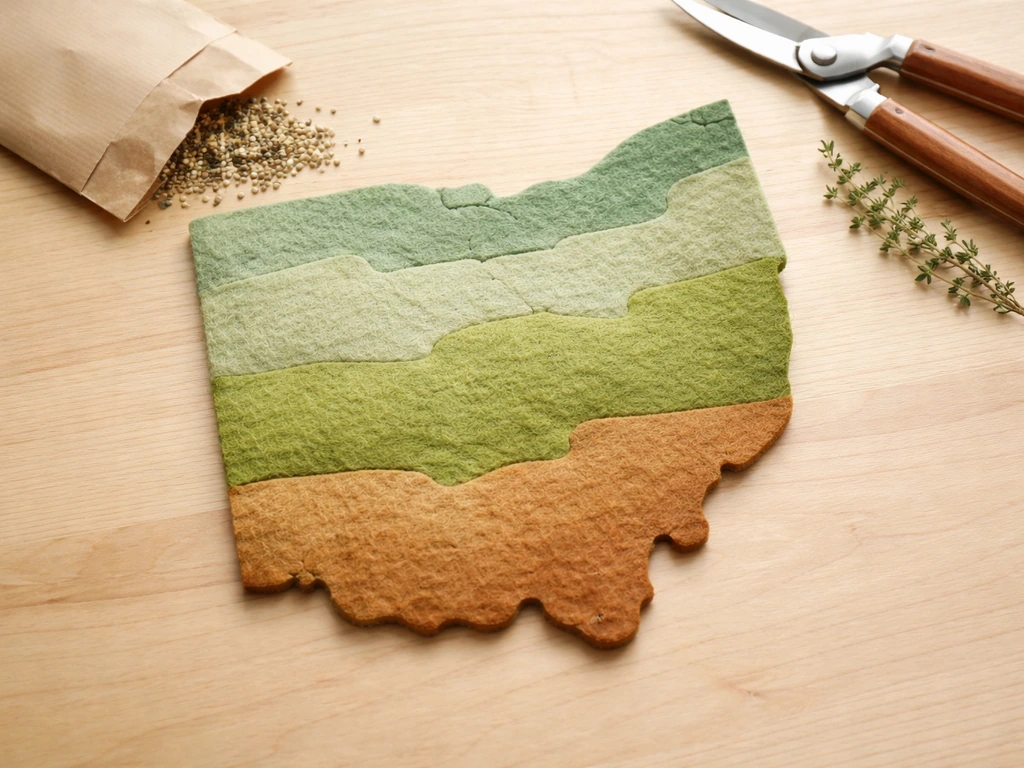
Ohio spans USDA hardiness zones 5b through 6b depending on where you are. Northern Ohio near Cleveland sits in zone 6a, central Ohio around Columbus is also zone 6a to 6b, and southern Ohio near Cincinnati pushes into 6b. That zone range matters mostly for oriental poppies as perennials, since they need to survive Ohio winters. The good news: P. orientale is rated hardy through zone 4, so Ohio winters are no problem for it.
Frost dates are what really drive your planting calendar for annual poppies. Average last frost dates for major Ohio cities run roughly like this: Cincinnati around April 15, Columbus around April 17, and Cleveland around April 21. First fall frosts arrive in late October to early November depending on your location. That gives you a growing window of roughly six months, which is plenty. Annual poppies like P. rhoeas actually prefer cool conditions and are among the first things you can put in the ground each spring.
All poppies want full sun, meaning at least six hours of direct sunlight daily, and well-drained soil. Oriental poppies specifically need soil with a pH close to neutral, around 6.5 to 7.0, and will not tolerate waterlogged soil in winter, which is a real concern in parts of Ohio that get heavy clay. If your beds stay wet after rain, amend with compost and coarse grit or build a raised bed. Corn poppies are a little more forgiving on soil but still want good drainage and hate heavy shade.
How to actually plant them
Corn poppy (Papaver rhoeas)
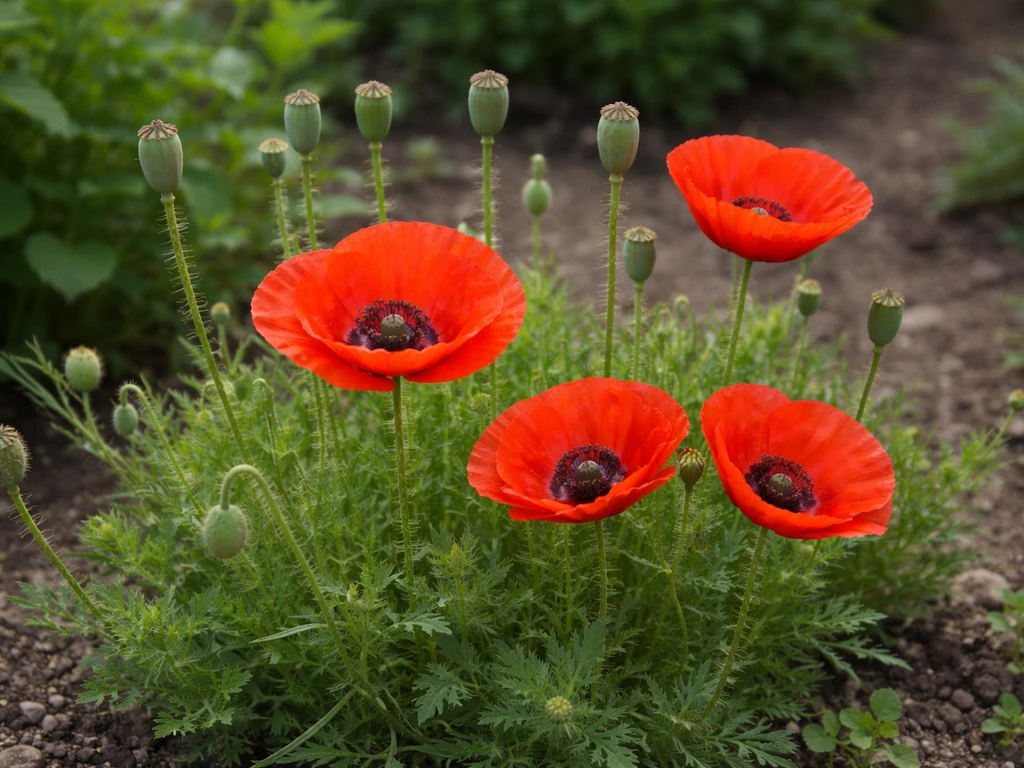
Direct sowing is the right move here, and it is strongly recommended by most growers. Corn poppies resent root disturbance and transplant poorly, so skip the seed tray. Sow directly into the bed as soon as the soil can be worked in early spring, which in Ohio typically means late March to mid-April depending on your location. Scatter seeds thinly, press them into the surface, and barely cover them because they need light to germinate well. Thin seedlings to about 6 to 12 inches apart once they are a couple of inches tall. Germination is usually quick in cool soil, often 10 to 14 days.
You can also do a fall sowing in Ohio, scattering seeds in October or November. The seeds will sit through winter and germinate naturally in early spring. This mimics how they naturalize in the wild and often produces strong, early-blooming plants.
Oriental poppy (Papaver orientale)
Oriental poppies can be started from seed, but they are slower to establish and will not bloom until their second year from seed. If you want flowers sooner, buy bare-root plants or divisions in fall or early spring. For seed starting, sow shallowly at about 1 cm deep or less, since light can help stimulate germination. Cold stratification of 4 to 6 weeks in a moist paper towel in the fridge before sowing can improve germination rates. If you direct sow outdoors, early spring when nights are still cool is the best window.
California poppy (Eschscholzia californica)
Direct sow after your last frost date, covering seeds with about 1/8 to 1/4 inch of soil. California poppies actually do fine with a light frost, so you can push the timing slightly earlier. They dislike transplanting just like corn poppies, so direct sowing is the way to go. Thin to about 6 inches apart. These are genuinely low-maintenance once established.
Keeping them growing: watering, pests, and common problems
Watering
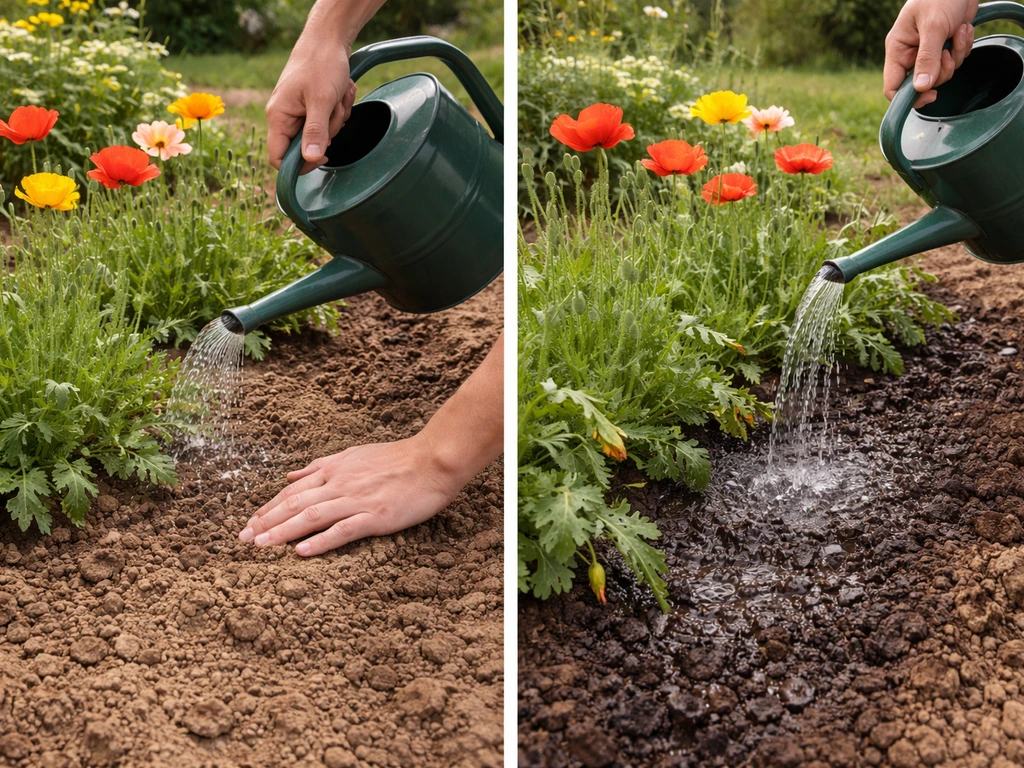
Poppies do not want constant moisture. Water thoroughly when the soil is dry rather than giving them a little water every day. Once established, corn poppies and California poppies are fairly drought-tolerant. Oriental poppies handle dry summers well, which is convenient since they go dormant right around the time Ohio summers heat up. The main thing to avoid is soggy soil, especially in winter for oriental poppies planted in heavy Ohio clay.
Pests and diseases
Poppies are not particularly pest-prone, and in most Ohio gardens you will not lose much sleep over insects or disease. Aphids, including bean aphid and green peach aphid, can show up on stems and undersides of leaves. A strong spray of water knocks them back, and if the infestation is heavy, insecticidal soap handles it. Powdery mildew can appear in humid Ohio summers, especially if plants are crowded and air circulation is poor. Thin plants adequately and remove affected leaves early. Bacterial blight caused by Xanthomonas papavericola occasionally affects poppies and shows up as water-soaked spots on leaves, but it is uncommon in home gardens with decent drainage and spacing. Damping-off can kill seedlings if you start seeds indoors in overly wet, poorly ventilated conditions, so use a sterile seed-starting mix and avoid overwatering.
Bolting and poor germination
Annual poppies bloom and set seed quickly when temperatures heat up, which in Ohio means corn poppies that go in late in the spring will have a shorter show. The fix is simple: sow as early as possible so plants bloom before the heat arrives. If germination is poor, the most common culprits are seeds buried too deep (poppies need near-surface sowing), soil that is too warm or too dry, or old seeds that have lost viability. Oriental poppy seeds lose viability relatively quickly, so plant them within a year of purchase.
Extending the bloom period
For corn poppies, deadhead spent flowers regularly if you want to extend blooming. If you want them to self-seed and naturalize, let some pods mature and dry on the plant. The pods will split and release many tiny black seeds, which will come back next year without any effort from you. Doing a succession sowing every two to three weeks from early spring through May also keeps new plants coming in as older ones finish.
Ground vs. containers, and harvest considerations
Growing poppies in the ground is almost always the better option in Ohio. If you are wondering can you grow poppies in the US, the short answer is yes, but which species matters for climate and legal limits. Poppies have long taproots and do not love being cramped, which is the main challenge with containers. If you do want to grow them in pots, use containers at least 10 to 12 inches deep with solid drainage holes and a well-aerated, fast-draining mix. California poppies adapt to containers better than the others because they stay smaller. Oriental poppies in containers struggle in Ohio winters because the roots are exposed to temperature swings that in-ground plants handle easily.
For ornamental seed and pod harvest, let pods mature fully on the plant until they turn papery and dry. The rattle test works: shake the pod and if you hear seeds moving inside, they are ready. Cut the stem, hang the pod upside down over a paper bag, or let it dry further indoors before collecting seeds. Store seeds in a cool, dry place and plan to use them within a year for best germination. This is a great way to save seed from year to year for corn poppies and keep a self-sustaining patch going. Dried oriental poppy pods are also popular in arrangements and wreaths, which is a practical use even after the flowers are done.
From sowing to flowering, corn poppies typically take 60 to 90 days. In Ohio, that means seeds sown in late March to early April will start blooming in late May or June, right when the garden needs color before summer annuals hit their stride. Oriental poppies planted as divisions or transplants bloom in May and June and are spectacular for a few weeks before going dormant. Plan companion plants to fill the gap their dormancy leaves, since the foliage disappears by midsummer.
Ohio vs. other states: a quick note
Ohio sits in a middle ground for poppy growing across the US. States like Oregon and California have milder, wetter winters that suit certain poppy species differently, and hotter states like Texas and Georgia push annual poppies to bolt faster in early summer heat. If you want to try Oregon too, the same idea applies: match the poppy type to Oregon's winter and growing conditions can you grow poppies in Oregon. Georgia can also be a workable place for annual poppies, but the hotter early-summer conditions can make them bolt sooner than you might see in Ohio. If you are asking, can you grow poppies in Texas, the same species and timing logic applies, but summer heat changes what will thrive. Ohio's cool springs are actually an advantage for getting a good long bloom from corn poppies before heat ends the show. Michigan, which shares Ohio's general climate zone in many areas, has a nearly identical growing window. Illinois gardeners deal with similar frost timing and zone ranges. The growing approach for poppies in Illinois follows the same basics, especially for annual corn poppies Illinois gardeners deal with similar frost timing and zone ranges.. The consistent thread across the Midwest is that early spring direct sowing is the key move, and that holds true whether you are in Ohio or any of its neighbors.
FAQ
If I grow Papaver somniferum in Ohio for ornamental purposes, what part of the plant becomes the legal risk?
Ohio’s definition centers on “opium poppy” (Papaver somniferum) except its seeds, so the risk is tied to possessing cultivating plant material like stems, pods, and any latex. The seeds themselves are treated differently than the living plant, but harvesting pods or keeping dried plant parts pushes you into the more sensitive category.
Are ornamental poppies like corn poppy and oriental poppy considered the same as opium poppy under Ohio law?
No. Papaver rhoeas (corn poppy) and Papaver orientale are different species from Papaver somniferum, so they do not fall under the “opium poppy” definition described for P. somniferum. If you want to avoid legal uncertainty entirely, buy seed packets that clearly label the species and supplier.
What should I check on a seed packet if I want to stay away from gray-area “unwashed seed” issues?
Choose horticultural seed sold specifically for planting, with clear labeling as ornamental and not marketed for extraction or “opiate” use. Also avoid listings that mention “unwashed,” “raw,” or “for opiate tea,” because federal enforcement has targeted that type of seed distribution.
Can I keep a poppy patch alive year to year by saving seeds in Ohio?
Yes for ornamental types like corn poppies, since they readily self-seed and your seed-saving approach (fully dry pods, proper storage, use within a year) matches their normal life cycle. For oriental poppies, seed viability and timing are less reliable for quick results, and many gardeners prefer divisions or bare-root plants for earlier blooms.
Is it better to start poppies indoors in Ohio to get earlier flowers?
Usually no, because corn poppies especially resent root disturbance and transplant poorly. If you must start indoors, use sterile mix, keep airflow strong, and avoid soggy conditions to reduce damping-off, but expect that direct outdoor sowing is the simpler path for most Ohio gardeners.
How close can I plant poppies without increasing mildew risk?
Airflow matters in humid Ohio summers. If powdery mildew appears, it is often tied to crowding, so thin to the spacing your specific type allows (corn poppy around 6 to 12 inches, oriental poppy with enough room to reduce leaf-to-leaf contact) and remove affected leaves promptly.
My poppies germinate poorly, what are the most common fixes?
The biggest culprits are sowing too deep (many poppies need near-surface light), letting the surface dry out before germination, or planting seeds that are too old. Oriental poppy seed viability drops faster, so using seed from within about a year of purchase helps.
Can I grow poppies in containers on a patio in Ohio?
You can, but it is more work than in-ground planting. Use a deep container (about 10 to 12 inches or more) with strong drainage and a fast-draining mix, and prefer smaller, container-friendly types like California poppy. Oriental poppies are especially risky in containers during Ohio winters because exposed roots face temperature swings.
What’s the right watering routine for poppies after they are established?
Water deeply only when the soil has dried rather than keeping the top layer consistently moist. This is especially important for oriental poppies, which dislike winter waterlogging in heavy clay soils, so improving drainage with compost and coarse material or raised beds can be the difference between surviving and rotting.
Will poppies return reliably, or do I need to replant each year in Ohio?
Corn poppies and California poppies often act like “repeaters” through reseeding, so you may see volunteers the next season if you allow pods to mature. Oriental poppies are perennial, but they may go dormant in midsummer, so plan for foliage gaps by pairing with plants that stay visible through that period.
Next Articles
Can You Grow Poppies in Texas? How to Grow Them
Yes, with the right poppy and timing. Learn which types work in Texas, when to sow, and how to grow them.
Can You Grow Poppies in the US Where and How to Plant
Learn where poppies grow in the US and how to plant seeds, plus legal safety for ornamental vs restricted types.
Can You Grow Agave in Canada? Zone Guide & Growing Tips
Can you grow agave in Canada? Practical region-by-region guide, hardy species, container tips & winter care.