
Yes, you can grow poppies in Texas, but the key is picking the right type and planting at the right time of year. Texas heat is the main challenge: most poppies are cool-season flowers that will bolt, wither, or simply refuse to germinate if you try to push them into the ground during spring or summer. Get your timing and variety selection right, though, and poppies are genuinely rewarding in a Texas garden, producing some of the most vivid blooms you'll see all season.
Can You Grow Poppies in Texas? How to Grow Them
Marcus Holloway
10 Apr 2026
Quick Texas answer: which poppies will (and won't) do well
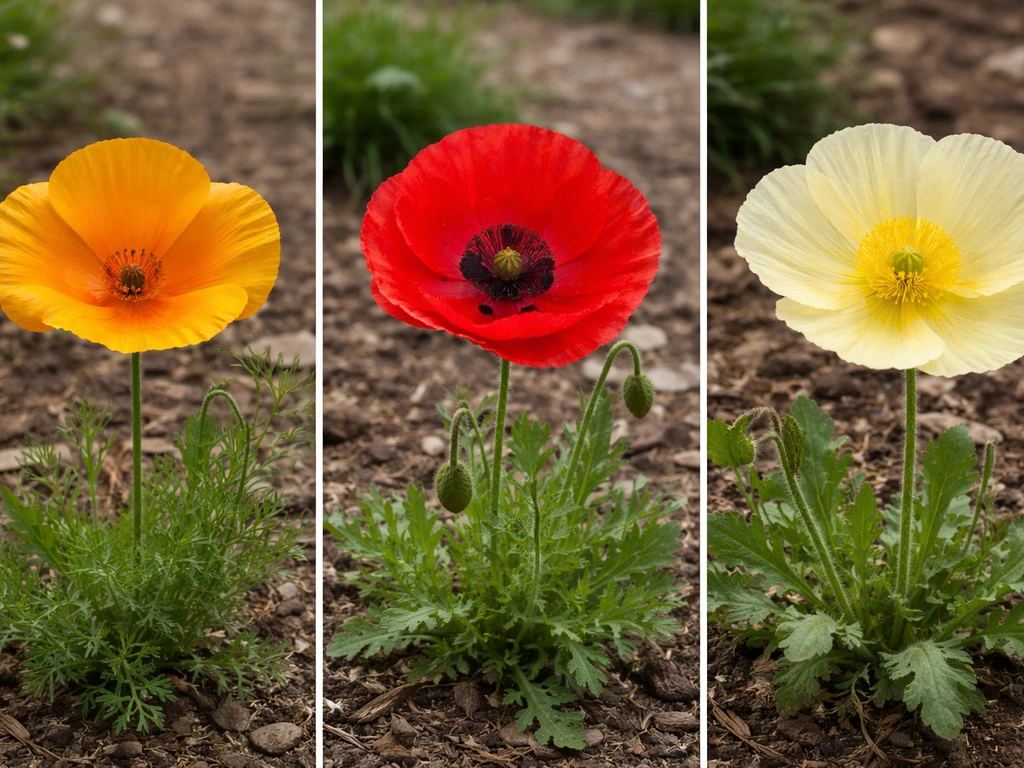
Three types of poppies are realistic for Texas home gardeners: California poppy (Eschscholzia californica), Shirley/corn poppy (Papaver rhoeas), and Iceland poppy (Papaver nudicaule). Each one has a different temperament, but all three are cool-season plants that need to be established well before Texas summer arrives. Opium poppies (Papaver somniferum) fall into a legal gray zone and are not the focus of this guide. Stick with the three types above and you'll have plenty of color to work with.
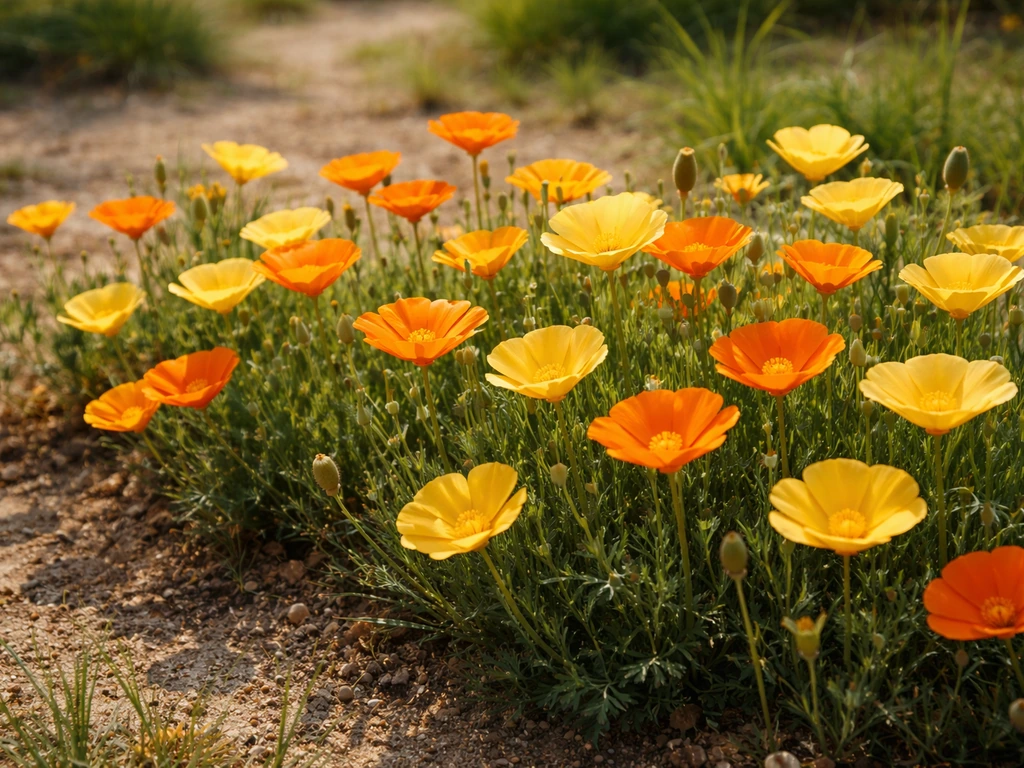
California poppy is the most forgiving option for Texas conditions. It is drought-tolerant once established, handles a wide range of soils, and will actually reseed itself in zones 8 through 10, which covers most of the state. Shirley/corn poppy is vivid and easy from direct seed, but it needs that cool window to establish before heat shuts it down. Iceland poppy is the trickiest: it's genuinely beautiful but hates the combination of heat and humidity, which Texas has in abundance by May. It's doable in North Texas if you time it well, but it's the shortest-lived of the three once warm weather arrives.
| Poppy Type | Best for Texas? | Drought Tolerance | Reseed in TX? | Biggest Risk |
|---|---|---|---|---|
| California Poppy (Eschscholzia californica) | Yes — best overall | High once established | Yes (zones 8–10) | Poor germination if sown too warm |
| Shirley/Corn Poppy (Papaver rhoeas) | Yes — with timing | Moderate | Sometimes | Summer heat cuts bloom short |
| Iceland Poppy (Papaver nudicaule) | Possible in North TX | Low | Rarely | Heat and humidity kill it fast |
Pick the right poppy type for Texas climates
Texas spans several climate zones and the differences matter. North Texas (Dallas and surrounding areas) sits around USDA zone 8b, where hard freezes still happen and summer highs frequently exceed 100°F. Central Texas (Austin and the Hill Country) is zone 8b to 9a, with July and August highs regularly reaching the upper 90s or above. South Texas is zone 9 to 10, with very mild winters and brutal, extended summers. If you want to see how Texas poppy growing compares to warm-climate states with similarly long growing seasons, it's worth reading about growing poppies in Georgia, which faces some of the same heat and humidity challenges.
California poppy is the best match across most of Texas. NC State Extension classifies it as a drought-tolerant cool-season annual or short-lived perennial in zones 8 through 10, which maps neatly onto the bulk of the state. It handles lean, dry soils better than the other types and will self-sow in mild winters. Texas Master Gardener guidance specifically recommends fall sowing in zones 8 through 10, treating it as a short-lived perennial that will come back from seed rather than from the root. This is exactly the approach that works in Texas.
Shirley poppy is vivid and reliable from direct seed, but it needs about 60 to 70 days of cool weather to go from seed to bloom. That window exists in Texas, but it closes fast. In South Texas, this one gets squeezed the most. In North and Central Texas it's very doable with a fall planting.
Iceland poppy is the showiest and the most temperamental. It genuinely dislikes the combination of heat and humidity and can perish quickly once temperatures climb. In North Texas it will bloom beautifully in late winter and early spring, but expect it to be done and gone before June. In South Texas, it's a borderline pick. If you've had success with cool-season flowers like snapdragons and pansies, Iceland poppy will behave similarly.
Best time to plant in Texas (season and regional timing)
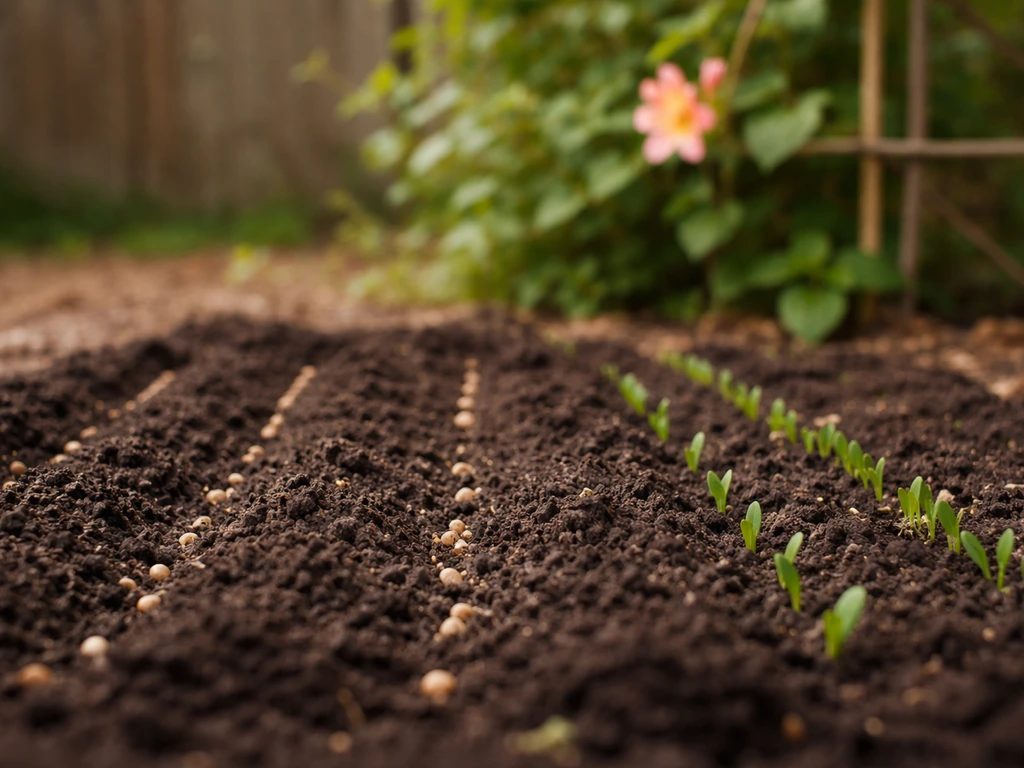
The rule across all three Texas-friendly types is simple: plant in fall, bloom in spring. This is the opposite of what many gardeners outside the South expect, and it's the single most important thing to understand about growing poppies in Texas. Summer sowing will fail. Spring sowing often germinates too slowly and then gets crushed by heat before plants have time to bloom fully.
| Texas Region | Ideal Sow Window | Expected Bloom | Notes |
|---|---|---|---|
| North Texas (Dallas, Fort Worth) | Late October – November | February – April | Hard freezes possible; established plants survive light freezes well |
| Central Texas (Austin, San Antonio) | October – December | February – April | Mild winters allow longer establishment window |
| South Texas (Houston coast, Rio Grande Valley) | November – January | January – March | Very mild winters; sow later to avoid warm-soil germination failure |
For Shirley poppies, Select Seeds recommends sowing about 4 weeks before the last spring frost or in late autumn in warmer zones, which aligns perfectly with this fall-sow approach for Texas. For Iceland poppy, germination media temperatures should be around 64 to 68°F, so you want soil that has cooled off from summer before you sow. For California poppy, Virginia seed testing standards peg the germination test temperature at 60°F, again pointing you toward cool soil conditions. Fall sowing in Texas typically puts you right in that range.
Soil, sunlight, and drainage requirements
All three types need full sun, meaning at least 6 hours of direct sunlight daily. Don't try to grow poppies in part shade in Texas, the combination of reduced sun and humidity will invite disease and weak, floppy growth. Choose the sunniest spot you have.
Drainage is non-negotiable. Iceland poppy specifically dislikes wet soils and will rot in heavy clay that stays soggy. California poppy and Shirley poppy are similar: they can handle lean, even poor soils, but standing water will kill them quickly. If your soil is heavy clay, amend it with coarse sand and compost, or build up a raised bed or berm to ensure water moves through. California poppy actually prefers low to moderate fertility soil with a pH range of roughly 5.0 to 8.0, so you don't need to heavily fertilize it. In fact, overly rich soil tends to push leafy growth at the expense of flowers.
For California and Shirley poppies, think of the soil prep approach recommended by Texas A&M for wildflower establishment: blank" rel="noopener noreferrer">lightly cultivate the top 1 to 2 inches, remove debris, and firm the surface. Deep tilling is actually counterproductive because it brings dormant weed seeds to the surface, creating competition you don't need.
How to grow poppies in Texas (seed starting and direct sow)
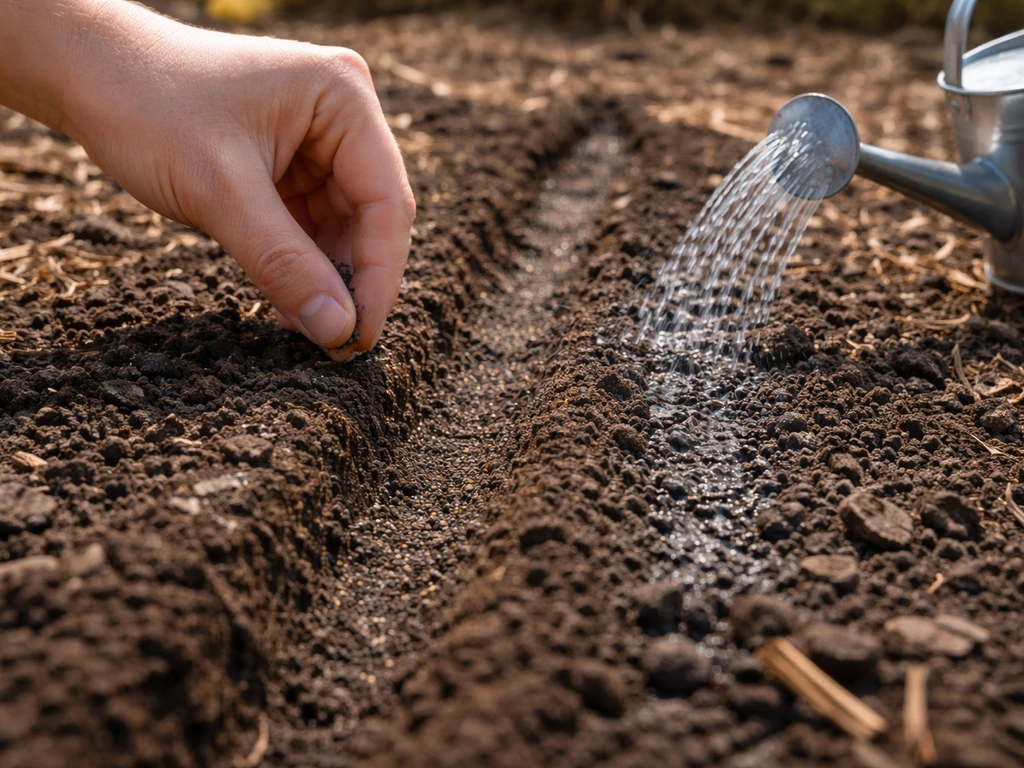
Direct sowing is the right method for all three poppy types in Texas, especially for California and Shirley poppies. Both California and Shirley poppies develop deep taproots that do not transplant well at all: University of Arizona Extension explicitly calls out California poppy (Eschscholzia californica) as an example of a taproot-forming plant that fails when transplanted, and Wisconsin Master Gardener guidance echoes this. Disturb the roots and you'll likely lose the plant. Sow directly in the ground where you want them to grow and leave them there.
Iceland poppy is sometimes sold as transplants at local nurseries in fall, which is the main exception. Buying nursery-grown transplants in October or November is a reasonable shortcut for Iceland poppies since those are started under controlled conditions. If you're starting Iceland poppies from seed yourself, the commercial germination guidance puts the ideal temperature in the 64 to 68°F range with germination happening in 7 to 12 days.
For direct sowing California and Shirley poppies, seed covering is a point of confusion. Shirley/corn poppy seeds need light to germinate and should be surface-sown or barely covered. California poppy seeds also benefit from light and should be covered only very lightly if at all. The Texas A&M wildflower establishment approach is a good practical guide here: scatter seed, lightly firm the soil surface (stepping on it works), and add a very thin layer of straw mulch to retain moisture without blocking light. Don't bury poppy seeds. A depth of about 1/8 to 1/4 inch is the absolute maximum.
- Lightly loosen the top 1 to 2 inches of soil and remove any debris or large clumps.
- Scatter seed evenly over the prepared area. For small areas, mix seed with sand to help distribute it evenly.
- Gently press seed into the soil surface by stepping across the area or using a board. Do not rake seed in deeply.
- Add a very thin layer of straw mulch (not bark or wood chips) to hold moisture. You should still be able to see the soil surface beneath it.
- Water gently with a fine mist or sprinkler. Do not blast with a hose or you'll wash seed away.
- Keep soil consistently moist until germination, which takes 7 to 14 days depending on soil temperature and type.
Watering and care through germination to bloom
Germination is the stage where most Texas poppy failures happen, and it usually comes down to inconsistent moisture or soil that's still too warm. Keep the seed area consistently moist from sowing until you see seedlings emerge. Not waterlogged, just evenly damp. A thin straw mulch helps a lot with this because it slows surface evaporation between waterings. General seed-starting guidance emphasizes that near-constant moisture levels matter more than any other single factor during germination.
Once seedlings are up and growing, California poppies need very little extra watering. This is the point where their drought tolerance kicks in. UC ANR drought-tolerant wildflower guidance notes that California poppies need consistent moisture during early establishment and then require minimal additional water once established. Overwatering established California poppies is actually a bigger risk than underwatering in most Texas soils. Shirley poppies appreciate slightly more regular moisture but still don't want to sit wet. Iceland poppies need moderate, even watering but again, good drainage is essential.
Fertilizer is not really needed for California or Shirley poppies, and heavy feeding tends to produce lush foliage with fewer flowers. Iceland poppies can benefit from a light application of balanced fertilizer in early growth, but don't overdo it. The bigger priority for all three types is simply keeping them cool and sunny until bloom time. If you're watching them develop through February and March in North or Central Texas, you're on the right track.
Deadheading spent blooms will extend the flowering period for Shirley and Iceland poppies. For California poppies, allowing some seed pods to mature and drop will set up natural reseeding for the following year, which is one of the best features of this plant in Texas.
Troubleshooting common Texas problems and what to try next
Seeds didn't germinate
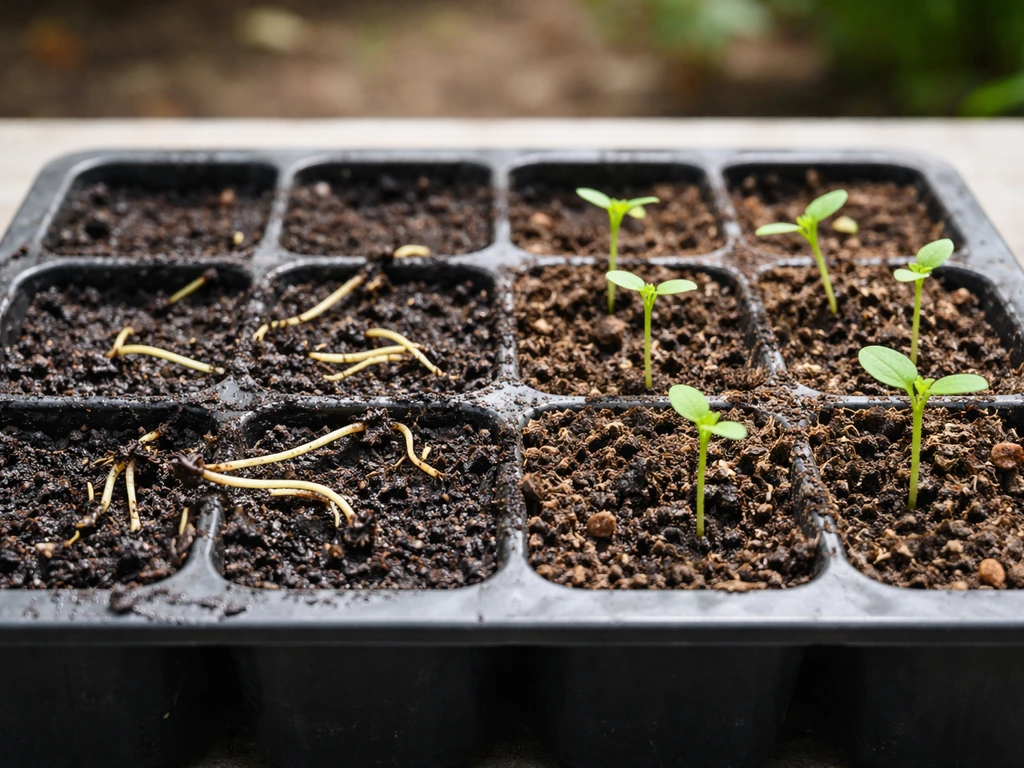
The most common cause is soil that was still too warm at sowing time, or inconsistent moisture during the germination window. If you sowed in September or early October when soil temperatures were still in the 70s or 80s, that's the problem. Wait until November when soil has cooled closer to 60°F. Also check that you didn't bury the seed too deeply. California and Shirley poppy seeds are tiny and need light; even a quarter inch of soil cover can be too much.
Seedlings rotted off at the soil line
This is damping off, a fungal disease that attacks seedlings in overly wet, poorly drained conditions. University of Minnesota Extension notes that damping off is common when soil stays too wet and drainage is poor. The fix is simple: improve drainage before you sow next time, don't overwater during establishment, and make sure your planting site gets good air circulation and full sun. If you're growing in containers, use fresh, clean potting mix rather than reusing old soil.
Plants bloomed briefly then died
This is normal for Iceland poppies in Texas, and it's heat-related. Once temperatures push consistently into the 80s, Iceland poppies decline fast. If you got even a few weeks of bloom, that's a success for this climate. For California and Shirley poppies, a very short bloom followed by quick die-back usually means they were planted too late and didn't have time to establish properly before warm weather arrived. Push your sow date earlier in the fall next season.
Leggy, floppy plants with few flowers
This usually points to a shady planting spot or overly rich, heavily fertilized soil. Poppies that don't get enough direct sun reach and stretch toward light, producing weak stems. Cut back on fertilizer and find a sunnier location. California poppies in particular do best in lean soil and will produce more flowers when not over-pampered.
What to do if Texas just isn't working for you
If you've tried a couple of seasons and aren't getting the results you want, it helps to see what growers in other climates experience. Growing poppies in Oregon gives a sense of what the crop looks like with genuinely cool, moist conditions where poppies really thrive, and it can help you calibrate your expectations for a warm state like Texas. Conversely, growing poppies in California is a useful comparison for similar Mediterranean-adjacent heat patterns, especially for California poppies that were literally named for that climate.
For a broader view of where poppies succeed and struggle across the country, growing poppies in the US breaks down regional feasibility in more detail. If you're curious how other warm Southern states handle the same heat challenge, growing poppies in Georgia is a particularly relevant comparison. And if you want to see how northern states approach the cool-season timing from the opposite direction, both growing poppies in Ohio and growing poppies in Michigan show what a longer, cooler spring does for these plants. Growing poppies in Illinois rounds out the Midwest picture with a climate that sits somewhere between those extremes.
The bottom line for Texas: choose California poppy as your workhorse, add Shirley poppies for color variety, treat Iceland poppies as a short-lived seasonal treat in North and Central Texas, and always sow in fall rather than spring. Get those three things right and Texas poppies will surprise you with how well they perform.
FAQ
Can you grow Texas poppies from seed in containers, or does it need to be in the ground?
You can, especially for California and Shirley poppies, but you must use a well-draining potting mix and a container with good drainage holes. Avoid reusing old soil (damping off risk), keep the seed surface evenly damp during germination, and expect quicker drying in pots than in beds. For heavy summer heat, use the sunniest spot you have, but be ready to stop watering once they establish and temperatures rise.
What’s the best fall planting window if I’m not sure when my soil cools down?
Rely on soil temperature and not the air forecast. A practical approach is to wait until overnight lows start making the ground consistently cooler, then plant after that shift, typically from mid to late fall. If you have a soil thermometer, aim for around the 60°F range for California and closer to the mid 60s for Iceland. If you plant early when soil is still warm, germination will be inconsistent and the plants may not establish before heat arrives.
Why do my poppy seeds germinate unevenly or not at all, even though I watered?
Most often it’s one of three things: seed was buried too deep, the surface dried out during the germination window, or the soil was still too warm when sown. For California and Shirley poppies, don’t bury seed, scatter it and firm the top lightly, then keep the top layer consistently damp until seedlings emerge. Also check that the seeds are fresh, since viability can drop over time.
Should I thin seedlings, and if so, when and how?
Yes, if you end up with a crowded stand. Thin once seedlings have a few true leaves so the remaining plants have airflow and room to form. Pull the weakest without disturbing neighbors too much, since taproots do not like transplanting. The goal is spacing that matches the plant type, with California and Shirley generally needing more room than Iceland.
Do poppies need mulch after they sprout?
It helps if you keep it light. A thin straw layer can reduce surface drying and stabilize moisture during germination, but after seedlings are up, remove or reduce any mulch that’s smothering growth. In humid spots, too much mulch can keep soil wet and raise disease risk, so aim for airflow and dampness only at the surface level, not soggy soil.
What watering schedule should I use after germination, and how do I avoid overwatering?
After seedlings emerge, water just enough to keep the top inch from drying out completely, then taper off as plants strengthen. Overwatering is a common mistake with California poppies, especially in Texas clay. A simple rule is to water deeply only when the surface begins to dry, then stop. If soil stays wet or plants look limp without the soil drying, improve drainage before adding more water.
Can I transplant poppies that sprout in the wrong place or containers into the garden?
For California and Shirley poppies, avoid transplanting. Their taproots are easily damaged, and relocation often results in poor survival. If you must move something, limit it to nursery-started Iceland poppies in fall, and even then, handle carefully to minimize root disruption. Better option is to direct-sow where you want them or plan the bed layout before sowing.
Why are my poppies tall and floppy, and should I use fertilizer to fix it?
Tall, weak stems usually point to insufficient direct sun or overly rich soil. Skip heavy feeding, since lush foliage with fewer blooms is a common response to excess nitrogen. Instead, move them to a sunnier location next season and, if in a bed, amend toward leaner conditions. If plants are already stretching this season, focus on sun exposure and avoid additional fertilizer.
Are Iceland poppies worth trying in all of Texas?
They are most reliable in North and parts of Central Texas when planted early enough for a late-winter to spring bloom. In South Texas, heat and humidity often end the season quickly, so treat them as a short-lived seasonal display rather than a repeat performer. If you try them, prioritize a site with excellent drainage and maximum sun, and consider shifting expectations toward a shorter show.
How do I get California poppies to reseed themselves without making a mess?
Let a portion of the seed pods mature and drop, but you can manage spread by controlling where you allow pods to finish. Use a designated bed edge or thin the volunteers the following season rather than trying to stop reseeding entirely. Also, don’t over-fertilize, since strong leaf growth can shade the ground and change where seedlings naturally establish.
What can I do if my seedlings get black stems at the soil line or collapse?
That pattern often indicates damping off, which is tied to wet, poorly drained conditions. Next time, improve drainage before sowing, keep watering minimal and controlled until seedlings are established, and ensure full sun and airflow. If you’re growing in containers, use fresh potting mix instead of reusing old soil, and avoid keeping the surface constantly saturated.
Are there any Texas-specific considerations for pests or pollinators?
Poppies generally don’t need special pest management, but seedlings are vulnerable to slug and damp-related issues when the surface stays wet. Keep the seed area evenly damp, not soaked, and avoid watering late in the day. Once plants are established, problems usually drop off, and pollinators tend to show up heavily during bloom.
Next Articles
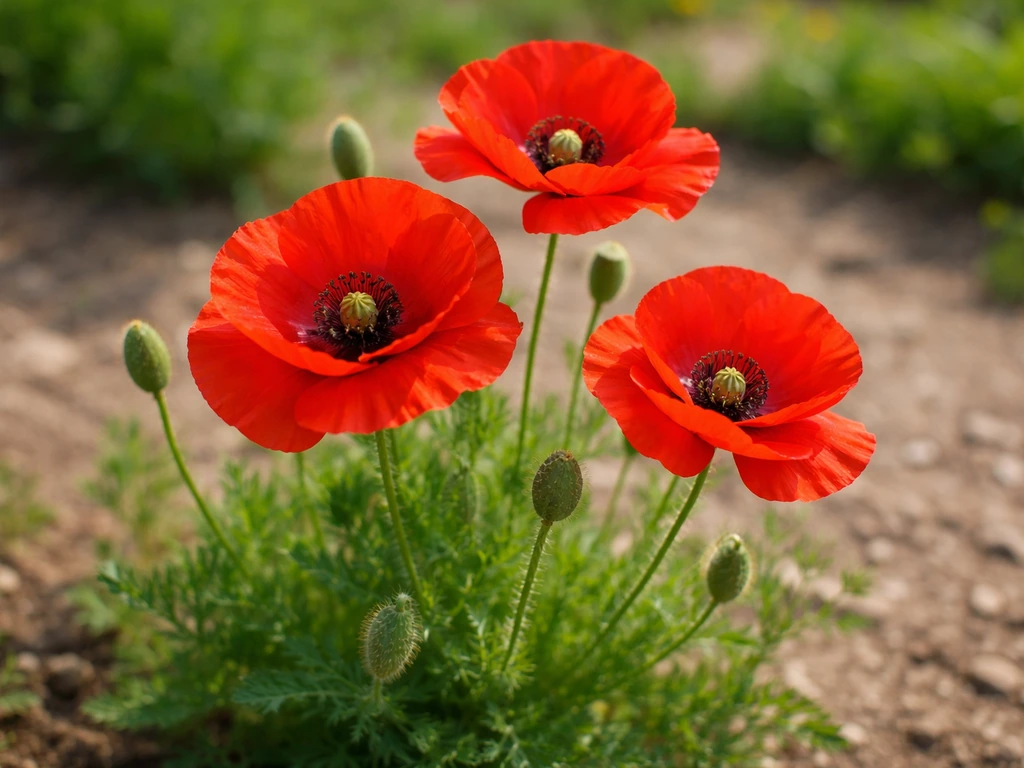
Can You Grow Poppies in the US Where and How to Plant
Learn where poppies grow in the US and how to plant seeds, plus legal safety for ornamental vs restricted types.
Can You Grow Agave in Canada? Zone Guide & Growing Tips
Can you grow agave in Canada? Practical region-by-region guide, hardy species, container tips & winter care.
Can You Grow Okra in Canada? Ontario Guide & Short‑Season Tips
Can you grow okra in Canada? Regional verdict, Ontario-specific steps, varieties, season-extension & harvest tips.