
Yes, you can grow longan in California, but only in the right parts of the state and only if you're prepared to manage cold protection seriously. If you are asking can you grow agave in the us, the answer is yes, but it depends heavily on your local winter lows and which agave species you choose. Southern California coastal zones, the warmer inland valleys, and a handful of protected Bay Area microclimates are all realistic options. Expect a tree that fruits reliably in USDA Zones 10–11, struggles through Zone 9b winters with care, and simply won't survive unprotected in colder inland or northern areas. If you're in the right spot, longan is one of the more rewarding subtropical fruit trees you can grow in California. If you're not, a container is your best (and maybe only) path to fruit.
Can You Grow Longan in California? Zones, Tips, and Next Steps
What longan actually needs vs. what California delivers
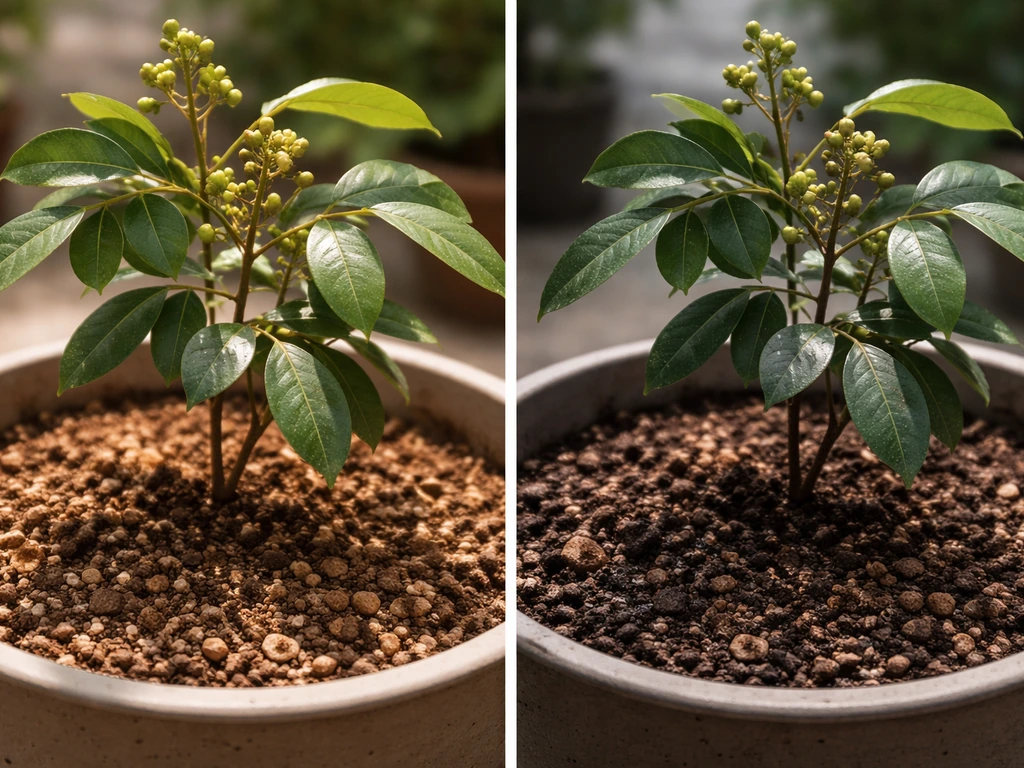
Longan (Dimocarpus longan) is a tropical/subtropical fruit tree that wants warmth, full sun, good drainage, and a brief cool-but-not-freezing winter to trigger flowering. That last point matters a lot: longan needs a period of low temperature to induce floral buds. Too warm in winter and the tree stays vegetative; too cold and you get branch damage or death. The sweet spot is a dry, cool (but frost-light) winter, which is exactly what parts of Southern California and protected coastal areas can deliver.
The hard numbers: mature, hardened-off longan trees can tolerate temperatures down to around 22°F for very short periods, but expect branch damage at that temperature. The practical freeze-damage range for mature trees is roughly 24–27°F. Young trees are significantly more vulnerable and should be protected from any hard frost. The optimum growing temperature range is broadly 32–92°F, though consistent heat during bloom can reduce female flower development and fruit set. California's low-humidity heat spikes in summer are worth watching for exactly this reason.
Soil preferences are straightforward: longan wants rich, moist, acidic to slightly acidic (pH around 6.0–7.0), well-drained soil and full sun. Much of California's native soil is alkaline, so amending with organic matter and monitoring pH is part of the setup cost. Water needs are moderate to high, which puts longan in the same management category as citrus in California's dry summers. The tree tops out at 15–25 feet in California conditions, compared to 50 feet in ideal tropical settings, so it's manageable in a home garden.
Where in California longan can actually grow
The honest zone breakdown is this: Zone 10a and warmer is where longan does best in-ground without serious stress. Zone 9b is the gray zone where you can make it work with the right microclimate, smart site selection, and a winter protection plan. Zone 9a and colder is container-or-nothing territory.
| California Region | Typical USDA Zone | In-Ground Feasibility | Notes |
|---|---|---|---|
| Coastal Southern California (San Diego, LA coast, Ventura coast) | 10a–11 | Good to excellent | Best bet for in-ground fruiting; mild winters align well with longan needs |
| Inland Southern California (Riverside, parts of San Bernardino, Coachella) | 9b–10b | Moderate (zone-dependent) | Colder winter nights are the main risk; site selection and frost cloth needed |
| Central Coast (Santa Barbara, SLO) | 9b–10a | Moderate with protection | Coastal fog can limit heat accumulation; good microclimates exist near urban areas |
| Bay Area (protected urban sites, South Bay, East Bay warm pockets) | 9b–10a | Possible with protection | San Jose area runs 9b/10a; south-facing walls and urban heat help significantly |
| Central Valley (Sacramento, Fresno, Bakersfield) | 9a–10a | Risky to marginal | Radiation frosts on clear winter nights can dip well below longan's damage threshold |
| Northern California / Foothill areas | 7–9a | Not recommended in-ground | Too cold; container growing with indoor overwintering is the only realistic path |
Microclimates matter as much as the zone map. A south-facing wall in a Zone 9b Bay Area backyard can function like Zone 10a in practice. Urban heat islands, proximity to large bodies of water, and protection from inland cold air drainage all shift the effective temperature for your tree. If you're on the boundary, walk your yard on a cold January morning and find the warmest corner. That's where your longan goes.
In-ground vs. container: which makes sense for you
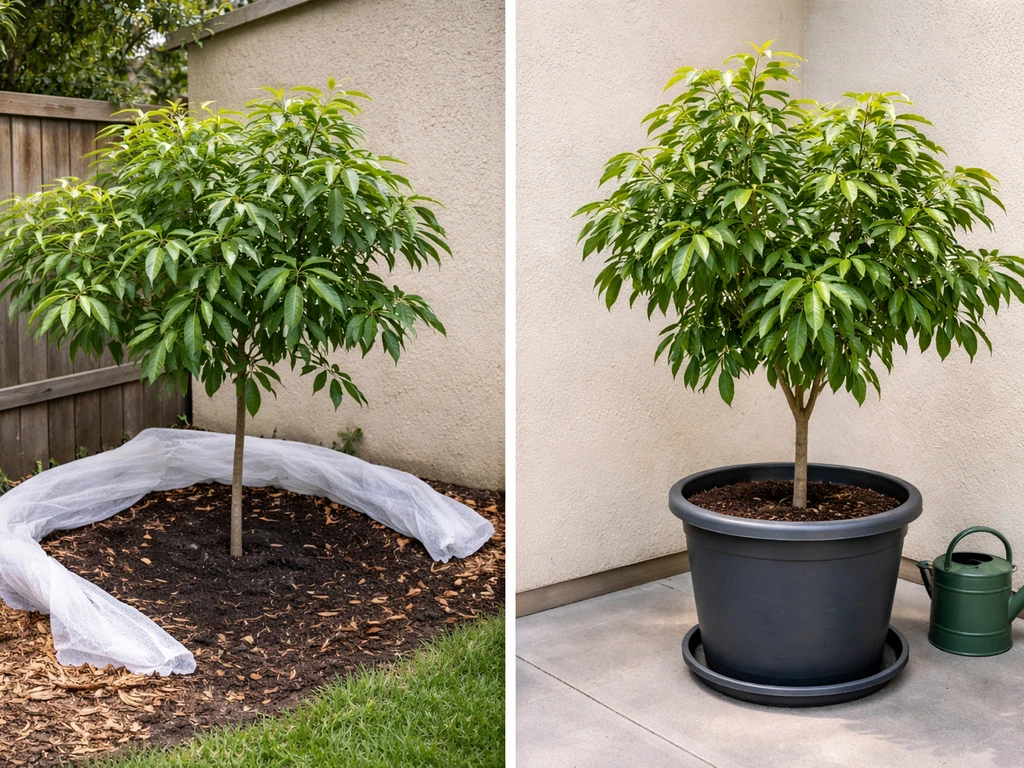
The method you choose should be driven almost entirely by your winter cold exposure. Here's how to think about it:
| Factor | In-Ground | Container |
|---|---|---|
| Best zone | 10a and warmer (9b with strong microclimate) | 9b and colder, anywhere with hard winters |
| Long-term fruit potential | Higher; larger root system, more vigor | Lower but realistic; trees can fruit in large containers |
| Cold protection | Depends on site, frost cloth, heat sources | Move indoors or to covered structure during freeze events |
| Tree size | 15–25 ft at maturity in California | Manageable at 6–10 ft with pruning and root restriction |
| Watering management | More consistent; requires good drainage | Easier to control; watch for drying out in summer heat |
| Setup cost | Lower long-term; higher soil amendment upfront | Higher long-term (containers, soil mixes, moving logistics) |
If you're in coastal Southern California or a warm inland valley in Zone 10a or above, plant in-ground and invest in site preparation. If you're in the Bay Area or a Zone 9b inland location, weigh your specific frost exposure carefully before committing to the ground. If you get hard frosts more than a couple of nights per year, start in a container. A 25–30 gallon container with a well-draining tropical mix gives a longan tree enough room to establish and even fruit, and it gives you the flexibility to move the tree when temperatures drop.
Protecting longan through California winters
The most damaging frosts in California's inland valleys and even some coastal areas are radiation frosts: clear, calm, dry nights when heat radiates away from the ground and temperatures plunge fast. These are the nights that catch growers off guard in January and February. Planning for radiation frost events is the core of your longan winter strategy.
Site selection as your first line of defense
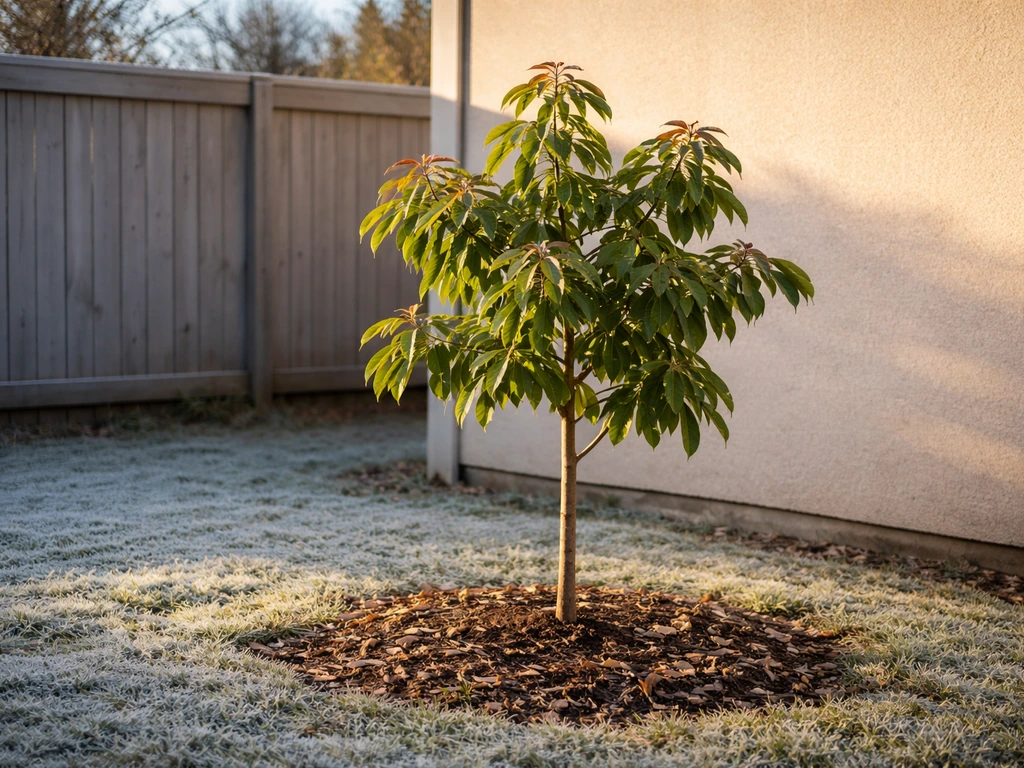
For in-ground trees, plant on the south or southeast side of a structure, fence, or wall. This position captures the most winter sun, reflects heat back to the tree overnight, and blocks cold northerly winds. Avoid low-lying frost pockets where cold air pools. Avoid spots with strong wind exposure, since young longan is particularly sensitive to wind during vegetative flushing and can suffer leaf dehydration and deformation that sets back establishment.
Active protection during freeze events
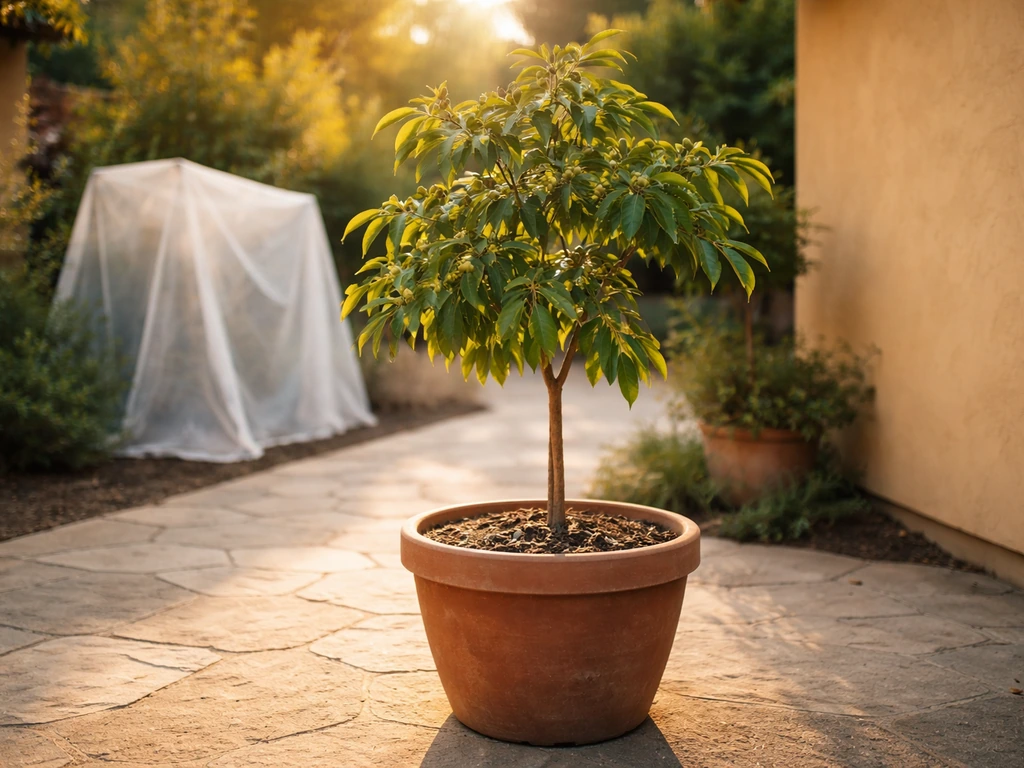
- Cover the tree with frost cloth (not plastic sheeting) when temps are forecast to drop below 28°F. Frost cloth traps radiated heat and can add 4–6°F of protection.
- For young trees, use a string of incandescent holiday lights under the frost cloth to add low-level heat on the coldest nights.
- Water the soil thoroughly before a predicted frost. Moist soil holds and radiates more heat than dry soil, raising the ambient temperature around the root zone.
- For container trees, move them to a garage, covered patio, or greenhouse before the first freeze is forecast. Don't wait for actual damage.
- Mulch heavily around the base of in-ground trees (3–4 inches) to protect the root system if the canopy sustains some damage.
After a freeze
If your longan takes frost damage, resist the urge to prune immediately. Wait until new growth emerges in spring to clearly identify which wood is dead. Cutting too soon can stress the tree further. Damaged branches can recover if the root system is intact. Young trees that freeze back to the graft or the ground can sometimes regrow, but set your fruiting timeline back to zero.
Planting, care, and realistic fruiting expectations
Planting and soil
Plant in spring once all frost risk has passed, ideally when soil temperatures are consistently warm. Dig a hole twice as wide as the root ball but only as deep, and amend with compost to improve organic matter and water retention. California soils often run alkaline, so test pH and target 6.0–7.0. Sulfur amendments can lower pH over time. The tree needs full sun, at least 6–8 hours daily, to develop enough energy for fruit production. You can sometimes raise hops in a greenhouse, which helps you control temperature and humidity while the plants build strong vines.
Watering
Longan wants consistent moisture but will not tolerate waterlogged roots. In California's dry summers, plan on deep watering 1–2 times per week for established trees, more frequently for young trees and container plants. A drip system with mulched soil is the most efficient setup. Ease off watering in late fall and through winter to help harden the tree and encourage the cool, slightly dry conditions that trigger floral induction.
Pollination and fruit set
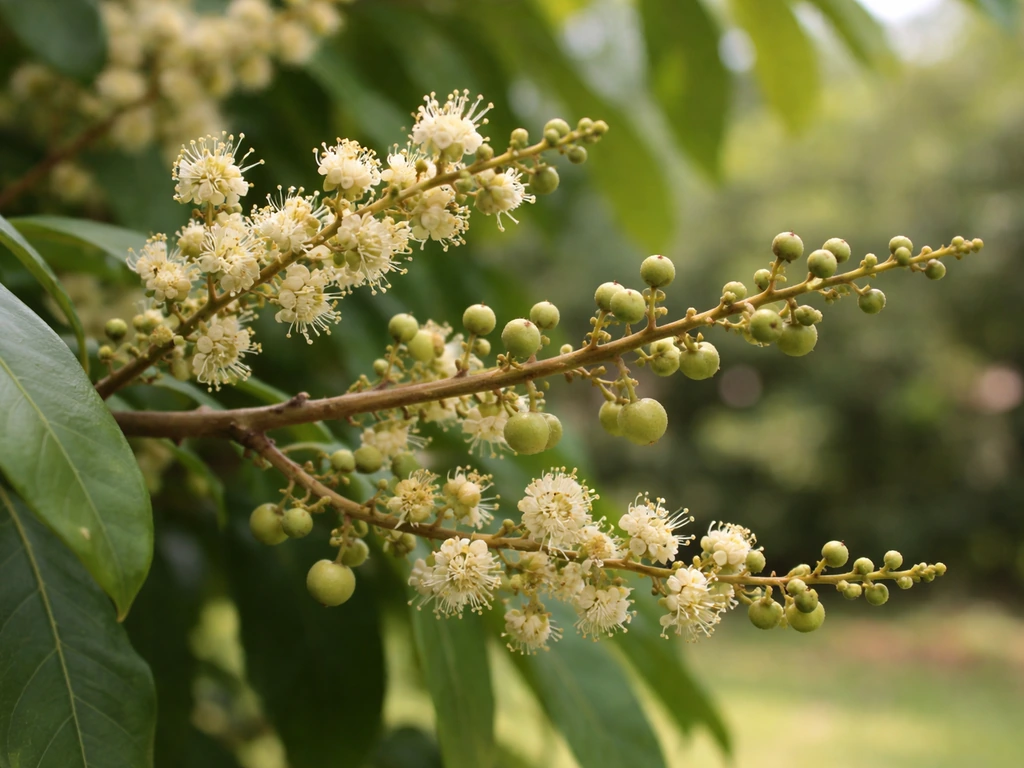
Longan is largely self-pollinating, so a single tree can set fruit. Bloom typically occurs in spring (often around May–June in California conditions), and the window from flowering to harvest runs approximately 140–190 days, which puts ripe fruit in October through December in most California locations. That's a useful harvest window. However, fruit set can be inconsistent if the tree didn't get adequate chilling during winter to trigger proper floral bud induction. This is the key reason Zone 9b trees sometimes grow fine but underperform on fruit: warm California winters don't always provide enough cold stress. Goji berries have different chill and water needs than longan, so the best approach depends on your exact California location and microclimate can you grow goji berries in California. Dry winter conditions help compensate, which is why Southern California's dry-winter Mediterranean climate is actually better suited to longan than wetter, equally mild climates.
Varieties worth looking for
Not all longan varieties perform equally in California's marginal zones. Look for varieties with lower chilling requirements and better cold tolerance when shopping. 'Kohala' is one of the most commonly available and performs reasonably well in Southern California conditions. Specialty tropical nurseries in San Diego and the LA area occasionally stock locally-adapted selections. For Bay Area growers attempting container culture, ask nurseries specifically what they've seen fruit in the region. Starting with a grafted tree rather than seed-grown is strongly recommended; grafted trees fruit in 3–5 years versus 6–10 years for seedlings.
Timeline expectations
Be patient. In Michigan, growing agave usually means container culture or strong winter protection because winters are far colder than agave prefers can you grow agave in Michigan. A grafted longan planted today in an ideal Southern California location might give you your first meaningful harvest in 3–5 years. A container tree in a Zone 9b location might take longer and may produce lighter crops. Fruit quality when you get it is excellent: soluble solids run about 18–22% and the flavor is sweet and musky, closer to fresh lychee than the canned versions most people know.
Pests, diseases, and California-specific problems
Sap-sucking pests
Psyllids, scale insects, and mealybugs are the main pest threats to longan in California. All three are sap-suckers that weaken new growth and leave behind honeydew, which attracts ants and encourages sooty mold. Mealybugs can often be knocked back by blasting affected shoots with a strong stream of water. For more serious infestations, horticultural oil sprays applied during cool morning hours are effective and low-impact. Monitor new flush growth carefully because that's where these pests concentrate.
Fungal issues and dieback
Longan is susceptible to Botryosphaeriaceae fungi, which cause stem cankers, dieback, and corky bark symptoms. These pathogens tend to move in on trees already stressed by cold, drought, or mechanical damage. In California, frost-damaged wood is particularly vulnerable. Prune out affected material with sanitized tools, cutting back to healthy wood. Avoid overhead irrigation and improve air circulation through pruning to reduce humidity around the canopy. Don't leave dead stubs, as they become entry points.
Chilling injury
Chilling injury is distinct from freeze damage. It refers to physiological damage that happens when temperatures drop below optimal ranges but stay above freezing, typically in the 32–50°F range for longan. Symptoms include discolored foliage, slowed growth, and poor fruit development. In California's colder winter areas, even a tree that survives frost without visible branch damage may still perform poorly because of cumulative chilling injury exposure. This is another reason to prioritize warm microclimates and winter protection even when temperatures don't drop below freezing. If you are wondering whether you can grow hops in Michigan, keep in mind that hop plants need lots of sunlight and a winter-hardy setup to survive cold weather can you grow hops in michigan.
Overwintering container plants: the pest management step most people skip
If you're bringing a container longan indoors for winter, inspect the tree thoroughly before you do. The same approach can help when you are asking can you grow hatch chiles in California, especially if you are using containers to control temperature and moisture container longan. Scale, mealybugs, and spider mites that were manageable outdoors will explode in the dry indoor environment. Treat with horticultural oil or insecticidal soap before moving, let it dry fully, then bring the tree inside. Store in the brightest, coolest frost-free spot you have: a south-facing window, an attached garage with light, or a cool greenhouse. Reduce watering significantly during this period, since the tree will slow down in low light.
The bottom line for California longan growers
You can grow longan in California, but the realistic answer depends almost entirely on where you live. Coastal Southern California and warm inland valleys in Zone 10a and above are legitimate longan territory where in-ground trees can fruit reliably. Zone 9b growers can make it work with the right microclimate, solid frost protection habits, and some tolerance for variability in fruiting. UC ANR Publication 8100 focuses on frost protection for citrus and other subtropical fruit and nut trees, providing a home-garden winter-protection framework that can be adapted to cold-sensitive tropicals like longan blank" rel="noopener noreferrer">frost protection habits. Anyone in Zone 9a or colder should skip the in-ground experiment and go straight to containers with a committed overwintering plan. The tree is worth the effort in the right conditions, and California's dry winters are actually a quiet advantage over wetter subtropical climates when it comes to triggering the floral induction longan needs. Check your zone, walk your yard for the warmest microclimate, decide on in-ground or container based on your frost exposure, and plan your winter protection before you plant, not after.
FAQ
Can you grow longan in California if your winter gets below 30°F but only occasionally?
Yes, but plan around worst-case nights, not averages. If lows dip into the mid to high 20s for more than a couple of hours, put a priority on frost protection (cover plus trunk insulation) or switch to container culture so you can move the tree under cover during radiation-frost events.
What is the best way to check whether my yard has a warm enough microclimate for longan (especially in Zone 9b)?
Use a simple cold-mapping approach. On a clear, calm winter morning, measure temperatures in several spots near the intended planting area (south or southeast wall, open yard, and the lowest part of the yard). The longan should go in the warmest spot that does not become a cold-air pool.
How much winter chilling does longan really need, and how can I tell if the tree got enough?
You cannot easily “count” chilling without data loggers, but you can judge outcomes. If a tree blooms poorly, sets few fruits, or drops most young fruit, the most likely cause in California is insufficient or mistimed winter cool exposure, even when the tree survives freezes.
Should I prune after a frost, or wait?
Wait until new growth starts in spring so you can see which branches are truly dead. Cutting back too early can add stress, and some frost-damaged shoots can recover if the root system and healthy wood are intact.
Can longan be grown from seed in California, or is grafting necessary?
Seed-grown trees are possible but far less reliable for fruit timing and performance in marginal zones. Grafted trees typically fruit sooner (about 3 to 5 years), while seedlings often take longer and may show uneven chilling or fruit set even when the same variety is used.
Is longan self-pollinating in California, and will one tree be enough?
It is largely self-pollinating, so a single tree can set fruit. That said, fruit set can still be inconsistent in warmer winters, so if you want more dependable crops, focus first on correct winter exposure and tree health rather than assuming a second tree fixes low chilling.
What temperature range is safe for longan during bloom, and does California heat affect fruit set?
Longan prefers warm growing conditions, but heat spikes during bloom can reduce female flower development. If you’re in an inland area with hot, dry afternoons, provide some afternoon shade for young trees and keep irrigation steady through the bloom period.
How should I water longan in California so I avoid root problems?
Aim for consistent moisture without waterlogging. In-ground trees commonly do best with a drip system and mulched soil, and you should reduce watering in late fall and winter to promote hardening and a drier pattern that supports flowering induction.
What should I do if my container longan must stay outside during winter in Zone 9b?
Protect the container as well as the canopy. Insulate the pot and keep it out of exposed cold-air drainage paths, because root zones cool faster in small containers. If you can’t wrap both pot and trunk effectively, expect reduced bloom and possible chilling injury even when top growth survives.
If pests show up indoors after bringing a container longan inside, what is the fastest safe response?
Treat before the infestation explodes. Inspect closely, then apply horticultural oil or insecticidal soap outdoors or in a ventilated area, let it fully dry, and only then move the tree inside. Also expect spider mites to increase in dry indoor air, so increase monitoring and correct humidity if possible.
How can I tell the difference between freeze damage and chilling injury on a longan that survived?
Freeze damage usually shows up as dead, darkened, or clearly non-sprouting wood. Chilling injury can be subtler, with slowed growth, discolored foliage, and weak fruit development even though branches do not look obviously dead. If bloom is weak despite survival, chilling injury is a common culprit.
What are the best pruning and sanitation practices to prevent longan fungal cankers in California?
Remove visibly affected wood back to healthy tissue using sanitized tools, and do not leave dead stubs. Improve airflow by avoiding dense, shaded canopy growth and skip overhead watering, since humidity around the canopy increases fungal pressure.
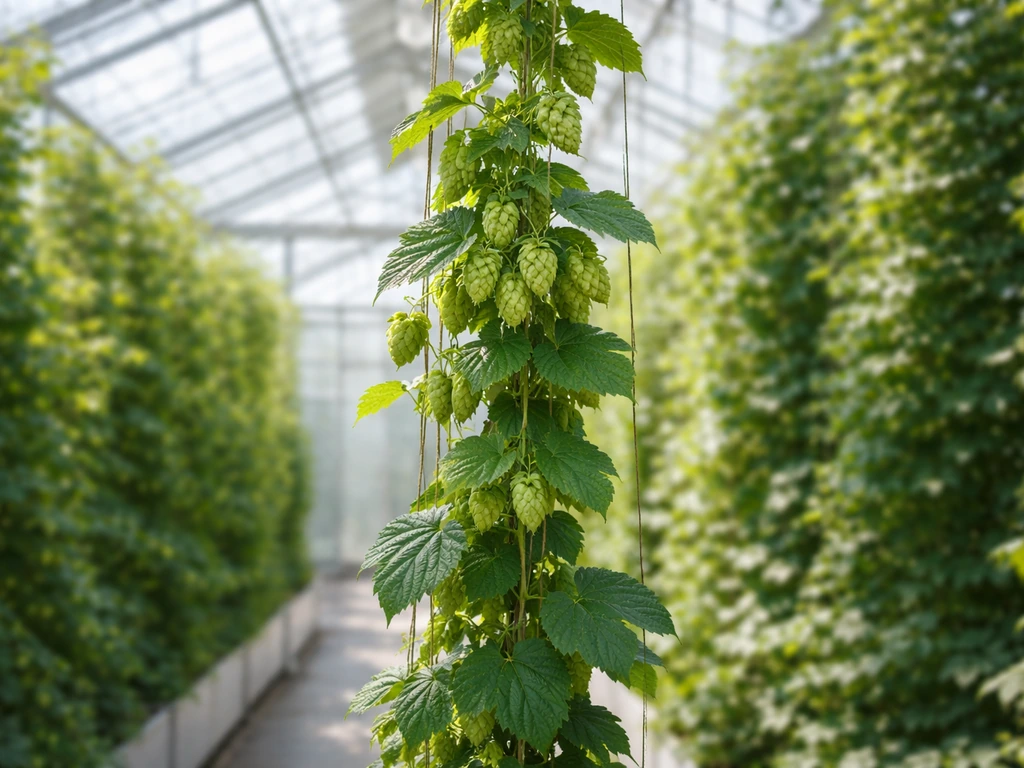
Learn if and how to grow hops in a greenhouse, with climate fit, setup, care, and troubleshooting for first cone harvest
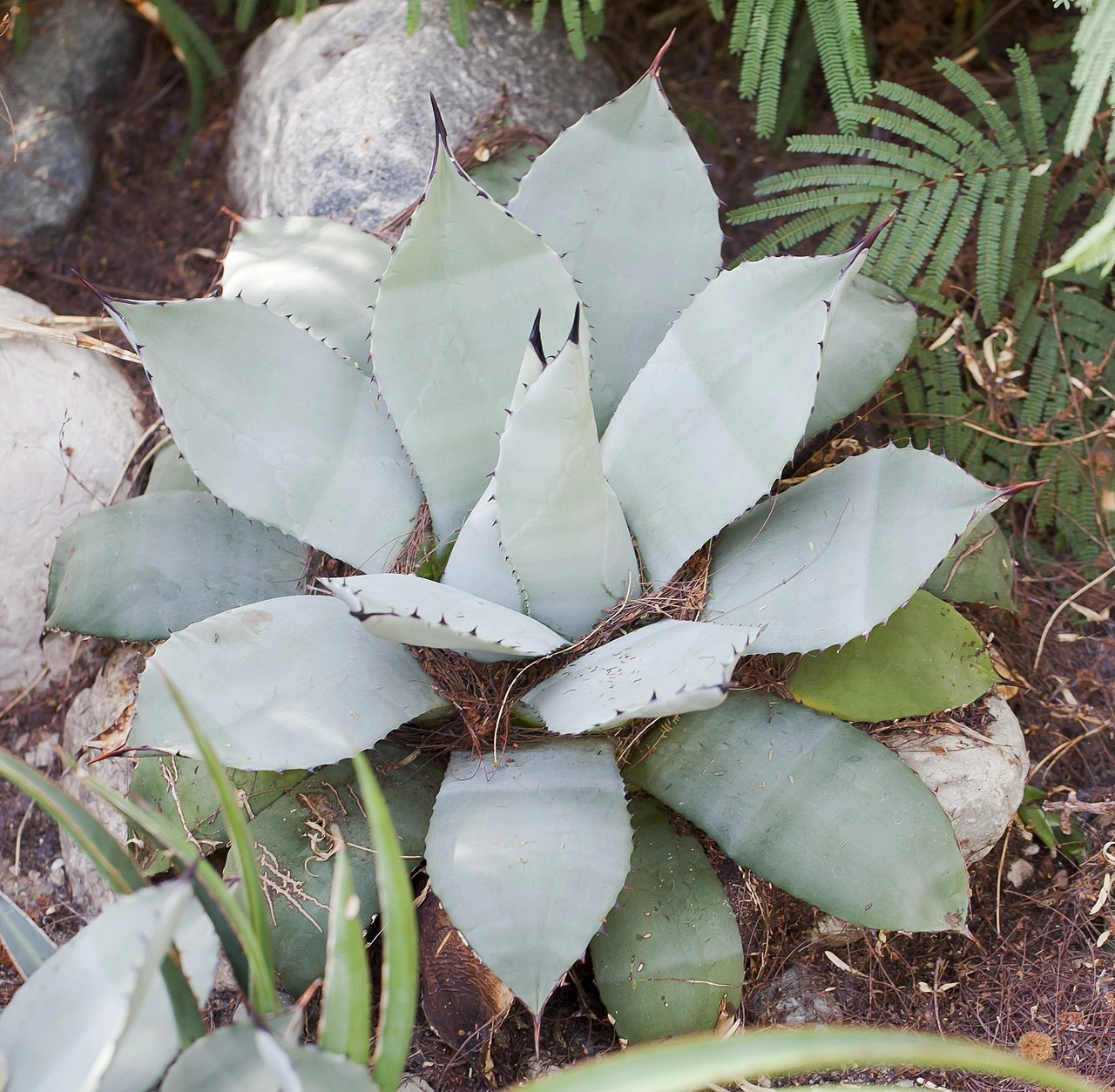
Find if you can grow agave in California, which species fit your zone, and exact care tips for cold, frost, and drainage
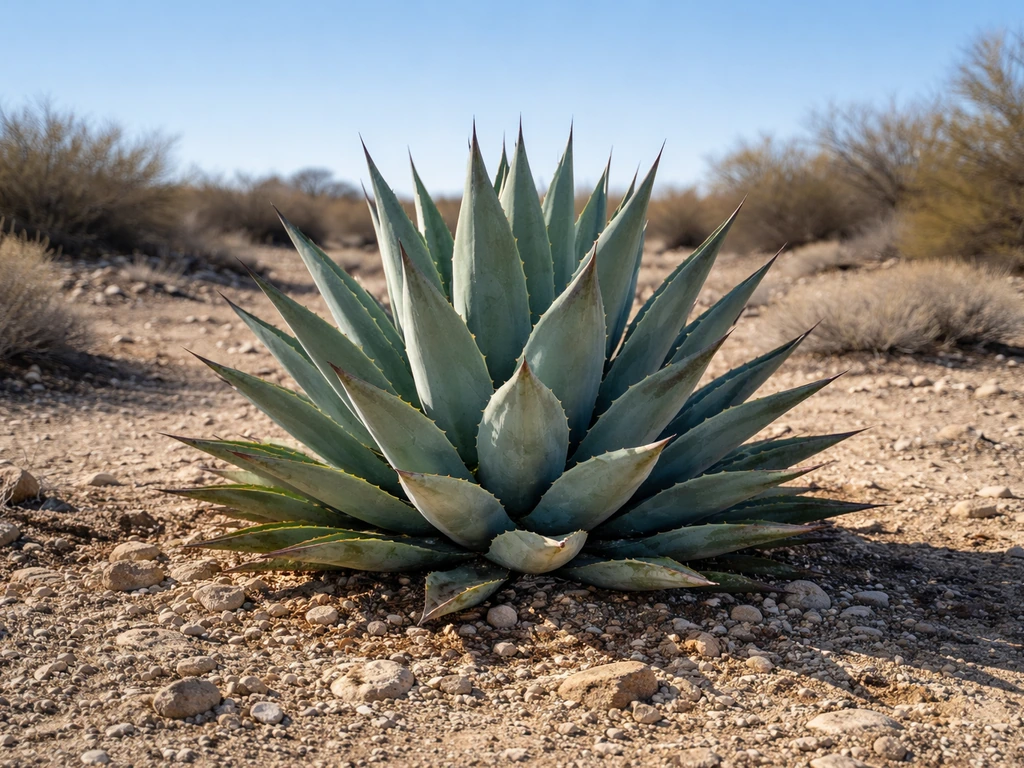
Yes, agave can grow in much of the US with the right cold-tolerant varieties, sun, drainage, and winter protection.