
Yes, you can grow agave in California, and honestly most of the state is well-suited for it. California's Mediterranean climate, sunny skies, and naturally fast-draining soils in many regions are almost tailor-made for agave. That said, the specific species you choose and how you plant it matters a lot depending on whether you're gardening near the coast, deep in the desert, in a foggy valley, or up in the mountains. Get those pieces right and agave is one of the lowest-maintenance plants you'll ever put in the ground.
Can You Grow Agave in California? Best Species, Care, Zones
Marcus Holloway
31 May 2026
Agave basics: what it needs to survive
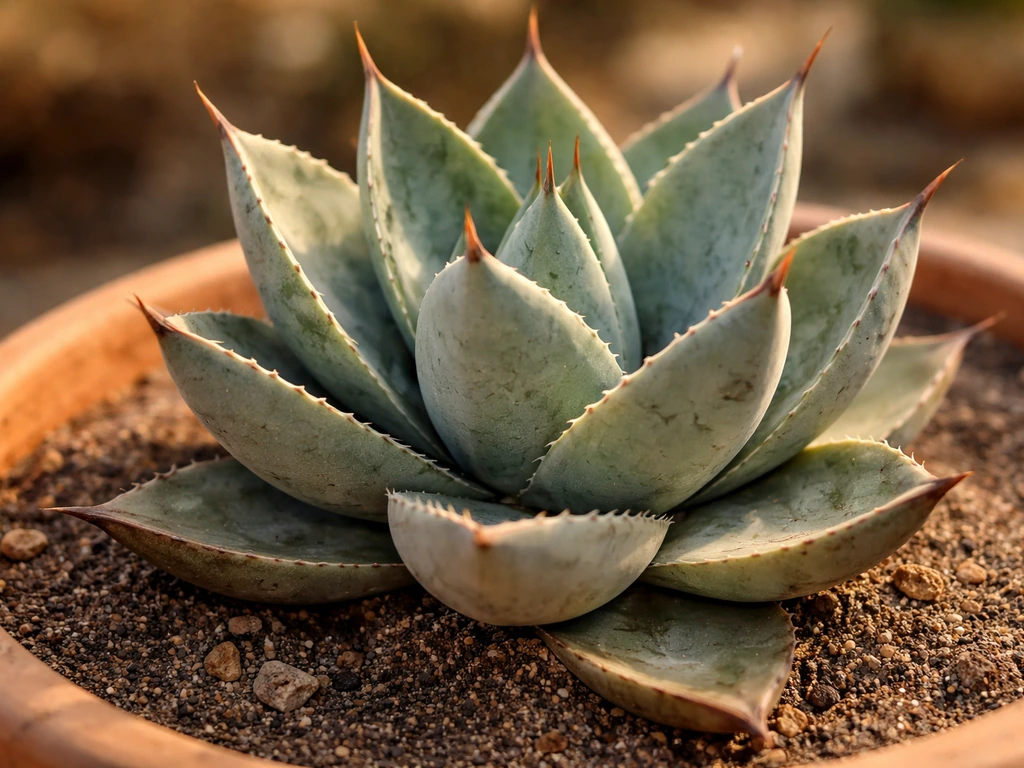
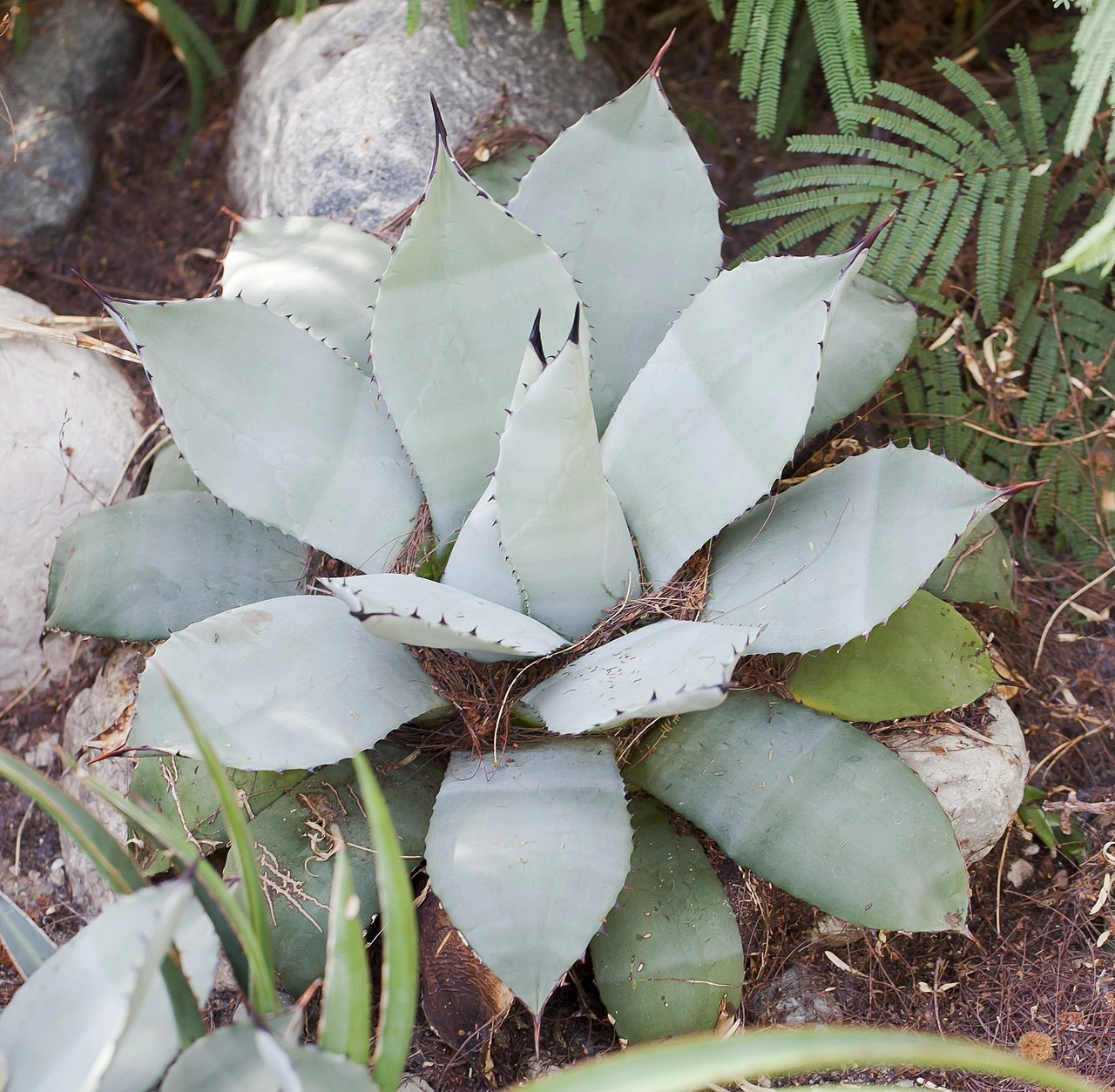
Agave is built for stress. It evolved in arid and semi-arid environments and stores water in its thick leaves, which means it genuinely suffers when overwatered. The fundamentals are simple: full sun (though many tolerate partial shade), fast-draining soil, and minimal water once established. Where agave fails is almost always because of two things: wet roots or hard freezes paired with wet soil. UC Master Gardener guidance is consistent on this point, avoid overhead irrigation because water collects inside the rosette and causes rot, and always let the soil dry out between waterings.
Cold hardiness varies dramatically between species, which is the single biggest variable you need to nail for your location. In Michigan, you’ll usually need to rely on cold-hardy agave species and often grow them in containers so you can protect them from wet winter conditions and hard freezes can you grow agave in Michigan. Some agaves, like Agave tequilana (blue agave), can't handle any frost at all and must go in completely frost-free zones. Agave tequilana Weber var. azul has no tolerance for low temperatures, so grow it only in areas that are free of frost blank" rel="noopener noreferrer">can't handle any frost at all. Others, like Agave parryi (Parry's agave), can survive down to -20°F, though that cold tolerance depends on the cold being dry, not wet. Wet cold is the real killer. Growth rate is slow to moderate: most agaves take years to reach full size, which is worth knowing if you're expecting quick results.
California climate check: coastal vs inland vs desert vs mountains
California isn't one climate, it's closer to a dozen. Where you live changes your agave options significantly, so let's go region by region.
Coastal California (Bay Area south to San Diego)
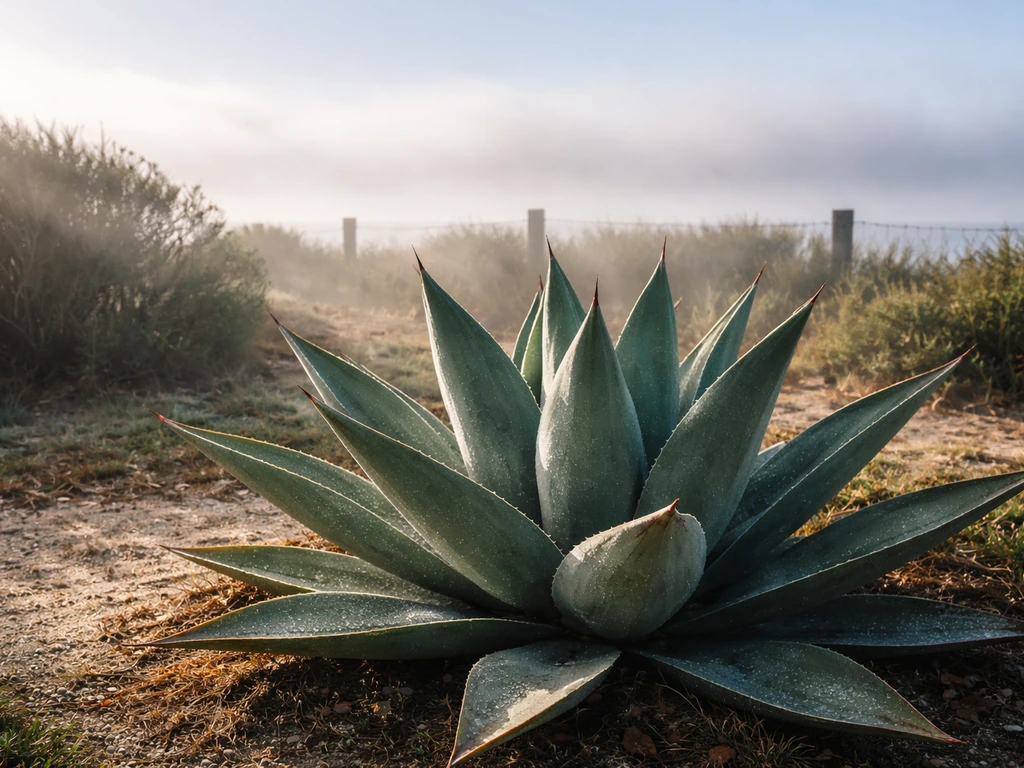
Coastal zones are excellent for agave. Mild winters, minimal frost risk, and plenty of sun make this the easiest region. Fog is the main complication, it keeps humidity up and slows soil drying, so drainage is more important here than in drier inland spots. San Diego and the South Bay have the most species options, including frost-sensitive types. The Bay Area is slightly trickier because winter temperatures dip lower and coastal valleys can act as frost pockets. Avoid low-lying areas where cold air settles overnight; a hillside or raised spot is always better.
Inland valleys and foothills (Sacramento Valley, Inland Empire, Central Valley)
Inland areas get hotter summers and colder winters than the coast, with frost days a real factor. Areas like Apple Valley can see 50 to 75 frost days per year based on 1991-2020 climate normals. This rules out the most frost-sensitive species but still leaves a wide selection of hardy agaves that thrive in the heat. Valley floors can be frost pockets due to cold air drainage, cold air flows downhill and pools in low spots overnight, so microlocation matters. A spot on a gentle slope beats a flat valley bottom every time.
Desert regions (Palm Springs, Coachella Valley, Mojave)
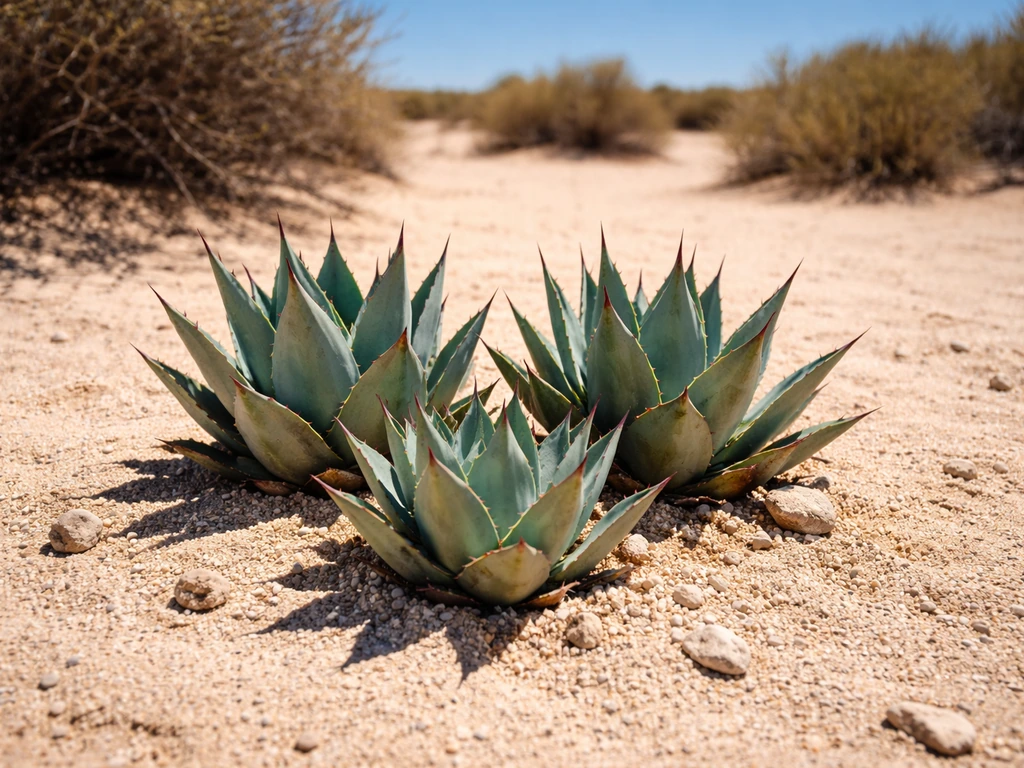
Desert California is prime agave territory. Intense sun, low humidity, and fast-draining sandy soils mirror agave's native habitat almost perfectly. Frost risk exists in the Mojave, so pay attention to temperature lows when picking species. The Coachella Valley and Palm Springs area are largely frost-free and can support the widest range of species, including frost-sensitive ones like Agave tequilana. The biggest challenge here is extreme summer heat, young plants need some establishment water and occasional shade during the hottest stretch.
Mountain areas (Sierra Nevada foothills, higher elevations)
Higher elevations are the toughest zone for agave in California. Hard freezes, wet winters, and snow make in-ground planting risky for most species. If you're at elevation and want to grow agave, cold-hardy species and container culture are your realistic options. If you are wondering can you grow hops in a greenhouse, container growing is one way to control the humidity, temperature, and drainage hops need container culture. Agave parryi is the standout here, it's among the hardiest agaves available and handles dry cold down to -20°F, though wet-winter conditions can still cause problems even for this tough plant.
Choosing the right agave for your area
Species selection is where most California gardeners either set themselves up for success or frustration. Here's a practical breakdown by cold hardiness and regional fit.
| Species | Cold Hardiness | Best California Regions | Notes |
|---|---|---|---|
| Agave parryi (Parry's agave) | To -20°F (dry cold) | Statewide, including mountains and inland valleys | Most cold-hardy option; compact rosette 1-3 ft wide; salt tolerant |
| Agave americana (century plant) | To about 15°F | Coastal, inland valleys, desert | Large plant (6-10 ft wide); very tough once established |
| Agave attenuata (foxtail agave) | To about 28°F | Coastal zones, mild Bay Area, Southern CA | No spines; needs frost protection inland; popular in gardens |
| Agave tequilana (blue agave) | No frost tolerance | Frost-free coastal Southern CA, desert valleys | Requires completely frost-free location; productive for commercial use |
| Agave victoriae-reginae | To about 15°F | Coastal, inland, mild desert | Small, ornamental; adapts well to containers |
| Agave desertii | To about 15°F | Desert regions, Southern CA inland | Native to Mojave/Sonoran; thrives in hot, dry conditions |
If you're in coastal Southern California or a frost-free desert valley and want maximum species flexibility, the UC Davis Agave Center guidance is clear: match your selection to your temperature range first, everything else second. If you're in a colder inland or mountain zone, Agave parryi is the most reliable bet for in-ground planting. Agave attenuata is popular throughout California but is more frost-sensitive than many people realize, it suffers at 28°F and below, so inland gardeners should be cautious with it.
Planting for survival: soil, drainage, sun, and spacing
Drainage is non-negotiable. If your soil holds water, agave will rot, full stop. In clay-heavy soils common in parts of the Central Valley and inland valleys, you need to amend heavily or build a raised bed. Mix in coarse sand (at least 30-50% by volume) and pumice or perlite to open up the structure. For in-ground planting, it also helps to plant agave slightly proud of the surrounding soil level, a small mound of a few inches keeps the crown drier after rain.
Full sun is ideal for almost every agave species. Six or more hours of direct sun daily is the target. Some species handle partial shade, but in shadier spots you'll see slower growth and sometimes stretched, less compact rosettes. Position plants away from irrigation systems watering nearby lawn or garden beds, agave doesn't want that runoff.
Spacing depends on mature size, which varies enormously by species. Agave parryi stays relatively compact at 1 to 3 feet wide. Agave americana can spread 6 to 10 feet and produce offshoots (pups) aggressively. Check the mature size before planting and give each plant room to spread without crowding, removing established agave is no fun given the spines.
- Dig a hole twice as wide as the root ball but only as deep — don't plant deeper than the original container depth
- Amend backfill soil with coarse sand and pumice if your native soil is clay or compacted
- Create a slight raised mound so water drains away from the crown rather than pooling around it
- Wear thick gloves and eye protection when handling — terminal spines are sharp and cause real injury
- Avoid planting in low spots or valley floors where cold air pools overnight in winter
Watering and establishment care
The first year is when agave needs the most attention, and also when overwatering does the most damage. After planting, water thoroughly to settle the soil around the roots, then let the soil dry out before watering again. During the establishment phase (roughly the first 6 to 12 months), water once a week in warmer months, checking that the top inch of soil is actually dry before you water. Always direct water into the soil at the base of the plant, not onto the rosette.
Once established, agave is impressively drought tolerant. In coastal California, established plants often get by on rainfall alone during the rainy season. In drier inland and desert regions, occasional deep watering every few weeks in summer keeps plants healthy without spoiling them. In winter, cut back watering significantly, plants have much lower water needs and the combination of winter moisture plus cold is exactly what causes root rot.
- Water thoroughly at planting, then let the soil dry out before the next watering
- During establishment: roughly once a week in warm months, only when the top inch of soil is dry
- Established plants: every 2-4 weeks in summer depending on heat and rainfall; much less in winter
- Never use overhead sprinklers — water sitting in the rosette causes rot
- Reduce winter watering significantly, especially in cold or rainy periods
Cold, frost, and wet-winter protection strategies
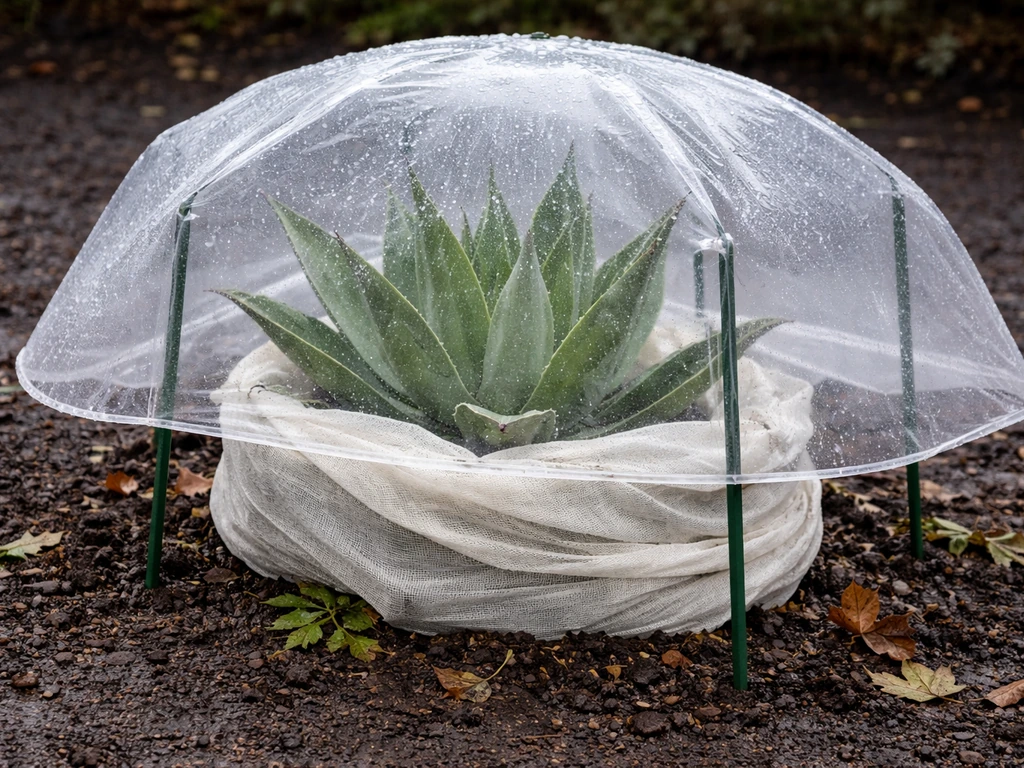
Frost damage on agave shows up as scorched, translucent, or collapsed leaf tissue, the freezing temperatures dehydrate plant cells. Mild frost burn on outer leaves usually isn't fatal; the plant pushes through. But a hard freeze combined with wet soil is a different situation, that's when you lose the whole plant to rot.
For marginally hardy species in colder parts of California, the most effective protection is keeping the root zone dry. If you get wet winters with occasional freezes (Bay Area inland, Sacramento foothills, parts of the Inland Empire), covering the soil around the plant's base with coarse gravel mulch helps shed water and keeps the crown drier. A frost cloth or burlap over the plant during a predicted freeze adds a few degrees of protection. Don't use plastic sheeting directly on the plant, it traps moisture and causes as many problems as it solves.
Microclimate placement is your best long-term strategy. Plant agave near a south or west-facing wall that absorbs heat during the day and radiates it overnight. Avoid low-lying areas and enclosed basins where cold air drains and settles, these frost pockets can be several degrees colder than nearby elevated spots. Sunset zone maps are more useful than USDA zones for this kind of nuance because they factor in winter rainfall patterns alongside temperature minimums.
- Plant near a south or west-facing wall for radiant heat during cold nights
- Avoid frost pockets: valley floors, enclosed basins, and low-lying spots where cold air pools
- Use coarse gravel mulch at the base to improve drainage and keep the crown dry
- Cover with frost cloth (not plastic) during hard freeze events
- Stop watering in winter to keep roots as dry as possible during cold spells
- Trim frost-damaged leaves only after the last frost date — cutting too early exposes new growth
Container vs in-ground: when to use each
In-ground planting is the right call for most of California. If you're in a coastal zone, frost-free desert valley, or any USDA zone 9 or warmer area with well-draining soil, plant directly in the ground and don't overthink it. Agave in the ground gets bigger, grows faster, and requires less maintenance than container-grown plants.
Containers make more sense in three situations: you're in a mountain zone or a cold inland area where winters are hard enough to threaten even moderately hardy species; you have heavy clay soil and can't adequately amend a large planting area; or you want to grow a frost-sensitive species like Agave tequilana in a zone that gets occasional freezes and you need the flexibility to bring it under cover. A container also works well for ornamental species like Agave victoriae-reginae that stay compact and look great in a large pot on a patio.
If you go the container route, use a terracotta or unglazed ceramic pot (they breathe and dry out faster than plastic), fill it with a cactus/succulent mix cut with extra perlite or coarse sand, and make absolutely sure there are drainage holes at the bottom. In winter, move containers to a sheltered spot, under an eave, against a warm wall, or into an unheated garage during hard freezes. Keep them on the dry side throughout the cold months.
| Situation | Best Approach | Why |
|---|---|---|
| Coastal Southern CA or San Diego area | In-ground | Mild winters, low frost risk, excellent drainage possible |
| Inland valleys (Sacramento, Riverside) | In-ground with cold-hardy species | Frost days occur but hardy species handle it; drainage amendment needed in clay |
| Desert (Palm Springs, Coachella Valley) | In-ground | Near-ideal native conditions; watch summer establishment watering |
| Bay Area (coastal) | In-ground (avoid frost pockets) | Mild but foggy; drainage critical; choose attenuata or parryi |
| Mountain elevations / hard freeze zones | Container or in-ground with Agave parryi only | Wet cold winters too risky for most species in-ground |
| Heavy clay soil, any region | Container or heavily amended raised bed | Drainage failure is more dangerous than cold for agave |
Common pitfalls California gardeners run into
Overwatering is the number one killer, by a wide margin. California gardeners coming from vegetable or flower gardening habits tend to water too often, and agave simply can't handle it. Root rot sets in quietly, the plant looks fine until it suddenly collapses. Trust the dry-out cycle and resist the urge to water on a schedule rather than based on actual soil dryness.
Poor drainage is the second issue. Even if you water correctly, sitting in poorly draining soil during California's winter rains causes the same rot. Fix the soil before planting, not after. Planting in a low spot that collects runoff from the rest of the yard is a common mistake that's easy to avoid with some upfront observation of where water flows after rain.
- Overwatering during establishment (the most common mistake — always let soil dry between waterings)
- Planting in clay or compacted soil without amending for drainage
- Placing frost-sensitive species like Agave attenuata in an inland zone without frost protection
- Using overhead irrigation that collects inside the rosette and rots the crown
- Planting in frost pockets (valley floors, low-lying basins) without realizing the microclimate risk
- Choosing Agave tequilana for a location that gets any frost at all — it has zero cold tolerance
Your next steps based on where you live
If you're in Southern California coastal zones or a frost-free desert valley, you have the most options: pick a species based on size preference and aesthetics, amend your soil for drainage, and plant. If you're in the Bay Area or inland valleys with occasional frost, start with Agave parryi or Agave americana, pay attention to your specific microclimate, and avoid low frost-pocket spots. If you're at higher elevations with hard winters, container growing is the practical path unless you're committed to Agave parryi in a well-drained, sheltered spot.
Growing agave in California is realistic for almost everyone in the state, it's just about matching the right species to your specific corner of this enormously varied climate. Michigan is much colder and wetter than the climates agave favors, so hops usually need careful variety choice and site protection to succeed can you grow hops in michigan. If you're wondering whether agave can be grown beyond California, you'll want to look at your local climate and frost risk first can you grow agave in the US. If you're also curious about other drought-tolerant or specialty crops for your California garden, the same regional climate logic applies to plants like goji berries and longan, which have their own zone-specific feasibility considerations worth checking before you plant. Longan can also be grown in California, but it depends heavily on whether your location can provide enough heat and avoid cold snaps during dormancy. If you want a quick answer, the same climate-matching approach applies to goji berries in California, and you should check your local cold and growing-season conditions first. For anyone wondering about peppers, the same “regional fit” logic applies if you’re trying to grow hatch chiles in California.
FAQ
What’s the safest way to pick an agave species for my exact spot in California?
Start with your cold limit and whether winter soil stays wet. If you can get occasional freeze, prioritize cold-hardy species and plan drainage that keeps the crown dry. Then confirm mature size so you are not forced to remove a plant later, since established agave are hard to relocate.
Can I grow agave in California if my yard has clay soil?
Yes, but you usually need a structural fix before planting. Build a raised bed or mound so the crown sits above surrounding grade, then use an aggressive mineral mix (coarse sand plus pumice or perlite). If water stands after a rain for more than a brief period, postpone planting until you improve runoff.
How do I water a newly planted agave without overwatering?
Water deeply right after planting to settle roots, then switch to “check first” watering. Use a soil test by hand or a moisture meter, confirm the top inch is dry, then water at the base. Avoid misting the plant or watering into the rosette, even occasionally, because trapped moisture accelerates rot.
Is overhead irrigation ever acceptable for agave?
In most California conditions, it’s not recommended. Even if the soil drains well, water collected inside the rosette can cause rot during cool, humid weather. If you must irrigate overhead, do it sparingly and only when you are confident the plant dries quickly, such as during long dry, warm spells.
What should I do if my agave gets a mild frost and looks scorched?
Leave it alone and improve drying conditions, do not fertilize right after a freeze. Outer leaf damage usually does not kill the plant, the real risk is rot from wet cold. In spring, remove only fully dead outer leaves once new growth starts so you don’t open fresh entry points too early.
How can I protect agave during winter freezes without trapping moisture?
Focus on keeping the crown zone dry and using breathable protection. Use coarse gravel mulch around the base, and if you cover during a forecast freeze, use frost cloth or burlap placed to avoid contact with wet surfaces. Remove coverings once the cold threat passes so the plant can dry.
Will agave grow in partial shade in California?
It can, but expect slower growth and less compact rosettes. If your shade is consistent, choose species that tolerate it and ensure your irrigation is even more cautious because shaded soils dry more slowly. For best results, aim for at least several hours of direct sun, especially in winter.
Can I grow frost-sensitive agave like blue agave (Agave tequilana) in California?
Sometimes, but only with a frost-free enough microclimate and strong winter dryness. In places with any meaningful freeze, container culture is the easier solution because you can move the plant under cover during cold, wet periods. If it stays in-ground, the site must shed water quickly and avoid cold pockets.
Are containers always safer than in-ground planting for agave in colder areas?
Containers are safer for controlling wet winter conditions, but they can be colder than the ground and can dry out unevenly. Use a breathable pot, a mineral-rich mix with extra perlite or sand, and confirm drainage. During winter, keep containers on the dry side and sheltered, not just “in the sun,” because cold wet nights are what rot agave.
What are common early signs of root rot, and how do I respond?
Symptoms can be subtle at first, the plant may look slightly deflated or the center may seem to soften. If you suspect rot, stop watering immediately and check drainage and soil moisture at the crown. In severe cases, you may need to unpot or carefully assess the roots to prevent total collapse, especially if damage is recent and not advanced.
How much spacing should I use between agaves?
Use the expected mature spread, not the nursery size. Some types spread by offsets and can become several feet wide, while others remain more compact. Give space so mature plants do not crowd each other, and avoid siting them too close to walkways because spines make maintenance and removal difficult.
Can I fertilize agave in California?
You usually do not need to. If growth is slow, the first thing to check is water and drainage, not fertilizer. Over-fertilizing can encourage soft growth that is more vulnerable, especially in winter when the plant should be dry and comparatively inactive.
Next Articles
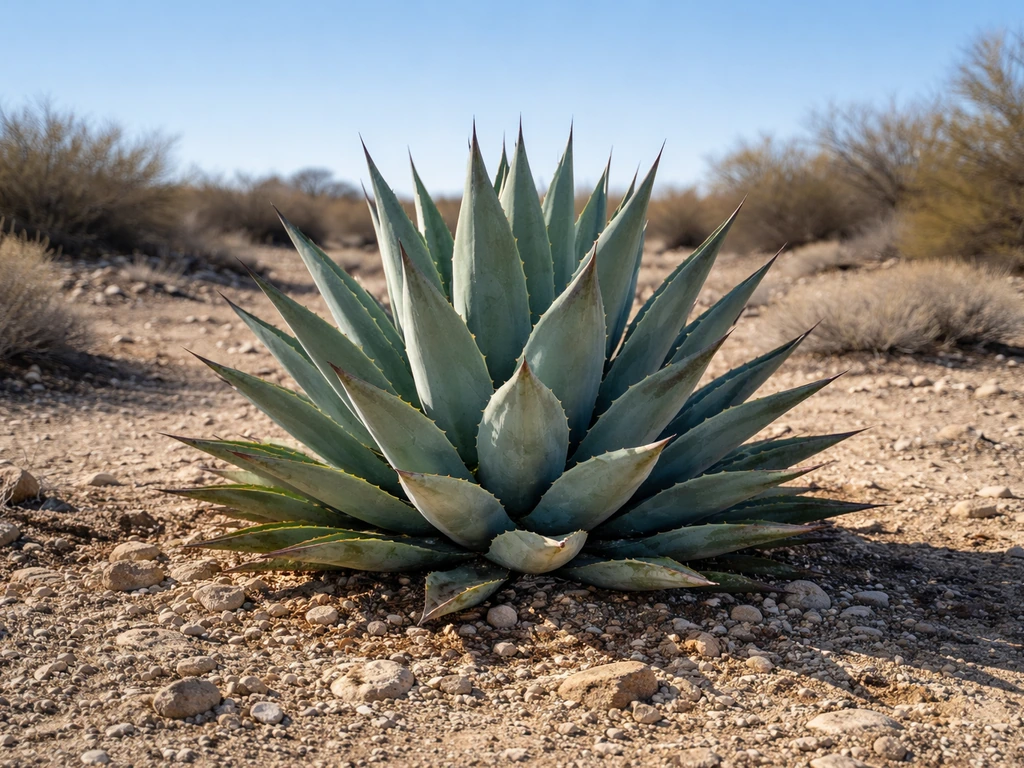
Can You Grow Agave in the US Where It Works
Yes, agave can grow in much of the US with the right cold-tolerant varieties, sun, drainage, and winter protection.
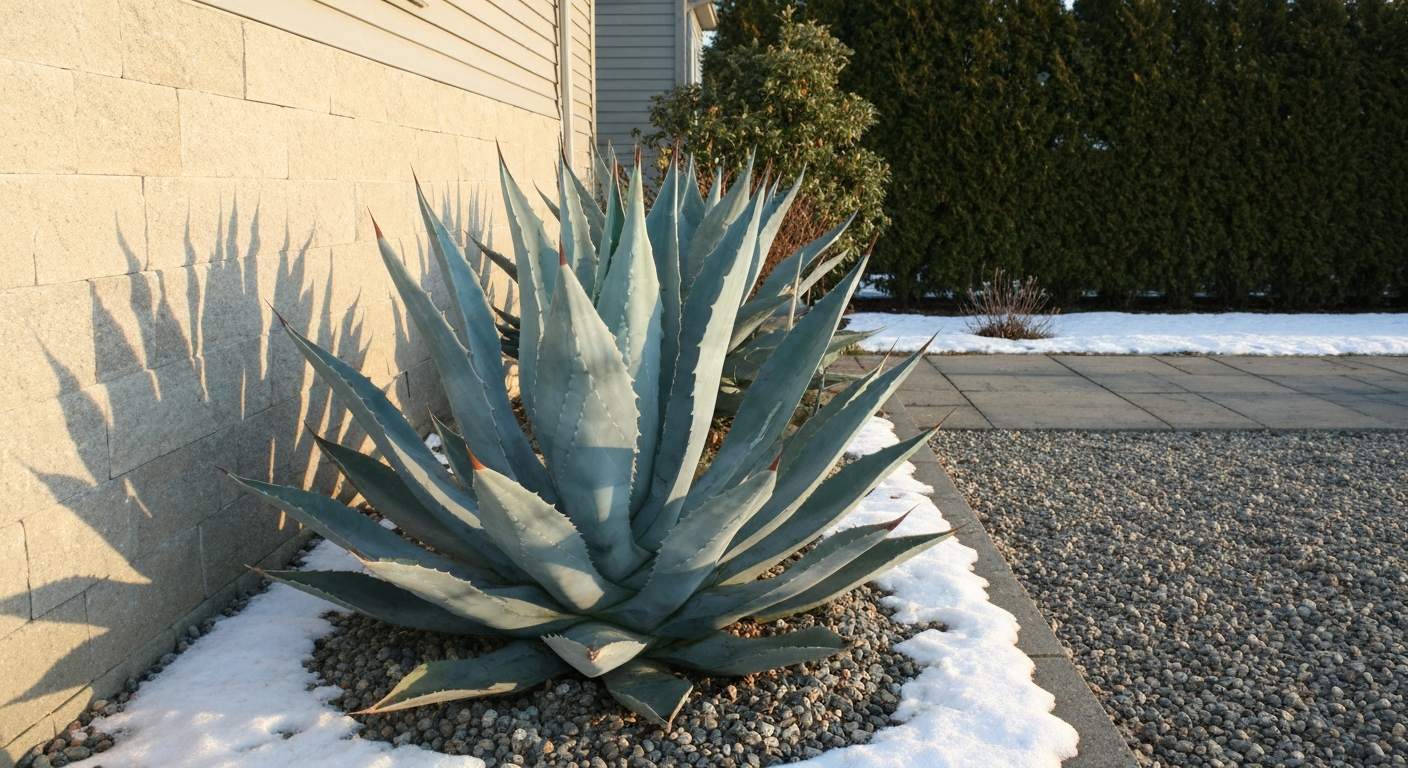
Can You Grow Agave in Canada? Zone Guide & Growing Tips
Can you grow agave in Canada? Practical region-by-region guide, hardy species, container tips & winter care.
Can You Grow Okra in Canada? Ontario Guide & Short‑Season Tips
Can you grow okra in Canada? Regional verdict, Ontario-specific steps, varieties, season-extension & harvest tips.