
Yes, you can grow chayote in Canada, but it takes real effort and the right setup. In the warmest parts of the country, like southwestern British Columbia, southern Ontario, and the Niagara region, you can get fruit outdoors with a full season extension strategy. Everywhere else, think of it as a fun challenge that requires starting plants indoors early, maximizing heat, and accepting that some years you might get fruit and some years you won't.
Can You Grow Chayote in Canada? Step by Step Guide
Marcus Holloway
9 Jul 2026
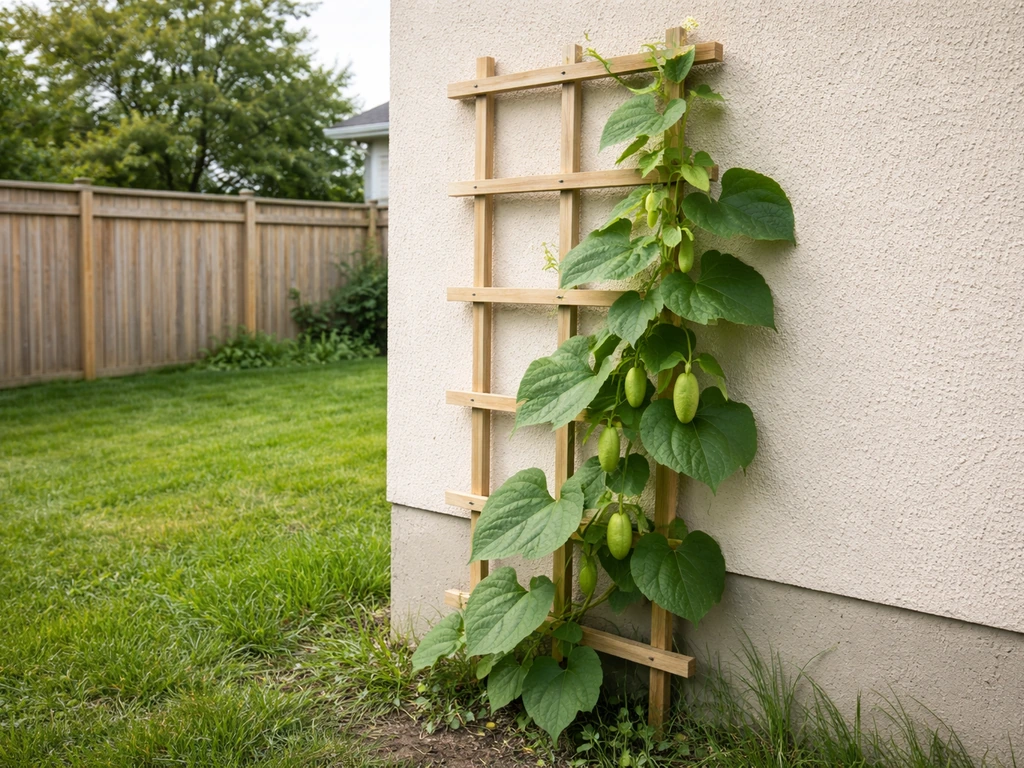
It is not a set-it-and-forget-it crop in Canada, but it is absolutely doable if you know what you are working with. You can apply a similar approach when planning to grow kumquats in Canada, focusing on warmth, winter protection, and getting enough time for fruiting.
Is chayote actually feasible in Canada, and where?
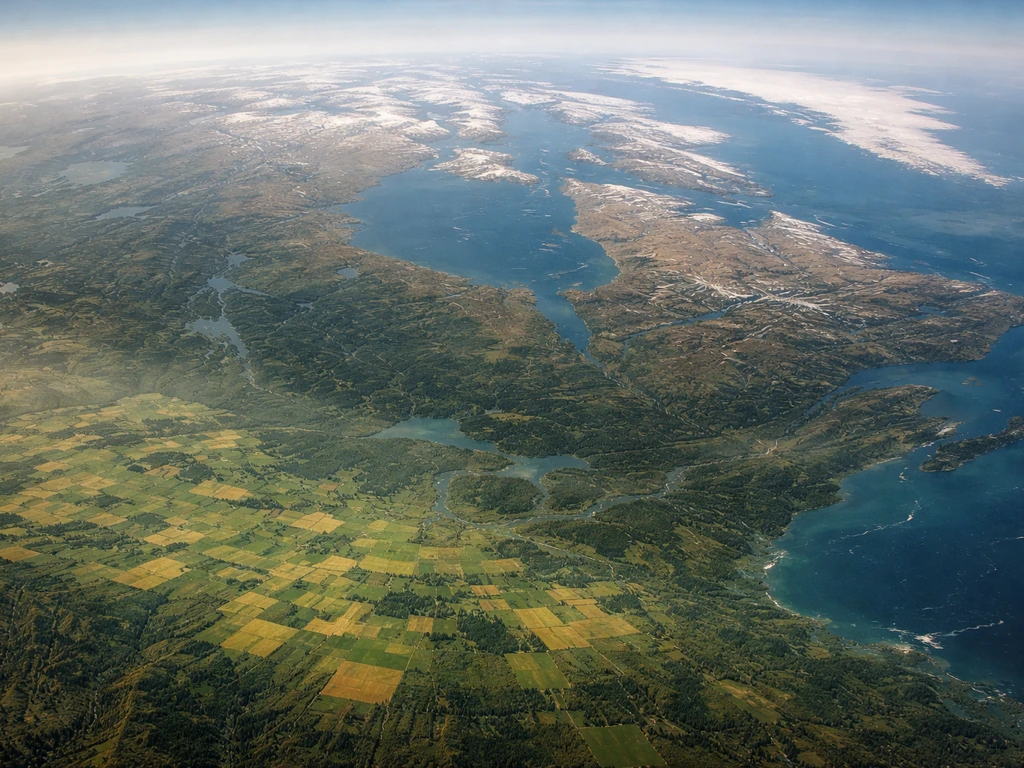
Chayote (Sechium edule) is a tropical vine that loves long, warm seasons. Its optimum growing temperature range is roughly 15 to 28°C, and it cannot handle frost at all. Temperatures below about 12°C start to cause problems, and any frost will kill the above-ground plant outright. That puts most of Canada in challenging territory, but not impossible territory.
The most viable regions are the ones with the longest frost-free windows and the most accumulated heat. In Canada, growing hops is possible in many regions if you pick the right variety and give plants a long, warm season growing hops in Canada. Greater Vancouver and the Fraser Valley in BC, the Golden Horseshoe area of Ontario (Hamilton, Niagara, Toronto), and parts of southern Quebec near Montreal are your best bets.
These areas can see 150 to 180+ frost-free days in a good year, which is just enough to push chayote to fruiting if you start early indoors. Prairie provinces, northern Ontario, Atlantic Canada, and anywhere at elevation are much harder. You can still try in those zones, but treat it as experimental and plan for the possibility of getting no fruit some years.
| Region | Frost-Free Days (Approx.) | Chayote Feasibility |
|---|---|---|
| SW British Columbia (Vancouver, Fraser Valley) | 160–200+ | Good — can fruit outdoors with season extension |
| Southern Ontario (Niagara, Hamilton, Toronto) | 150–185 | Good — needs indoor start and warm microclimate |
| Montreal / Southern Quebec | 130–160 | Marginal — possible in a warm year with row cover |
| Prairie Provinces (AB, SK, MB) | 90–120 | Difficult — container growing or greenhouse only |
| Atlantic Canada | 120–150 | Marginal to difficult — greenhouse recommended |
| Northern Ontario / Quebec / North of 50°N | Under 100 | Not practical outdoors |
Climate needs vs. what Canada actually offers
Chayote has three climate needs that matter most: warmth, season length, and frost protection. It wants temperatures consistently between 15 and 28°C during its growing window, it needs at least 120 to 150 frost-free days to fruit (and more is better), and it simply cannot be touched by frost at any point. It is also sensitive to drought and wind, which adds another layer of management in exposed Canadian gardens. Sechium edule is susceptible to drought and wind, so Canadian gardeners need to manage exposure and water carefully It is also sensitive to drought and wind.
Where Canada falls short is mainly in heat accumulation and season length. Even in zone 6b southern Ontario, nights can stay cool enough in June to slow the plant significantly. Chayote also flowers and sets fruit based on day length, typically in late summer as days shorten. That means it is naturally trying to fruit right when Canadian temperatures start dropping in September and October. You are essentially racing the calendar every single season. Row covers, plastic mulch, and south-facing walls are not optional luxuries here. They are part of the basic plan.
How to start chayote in Canada
Starting from a whole fruit
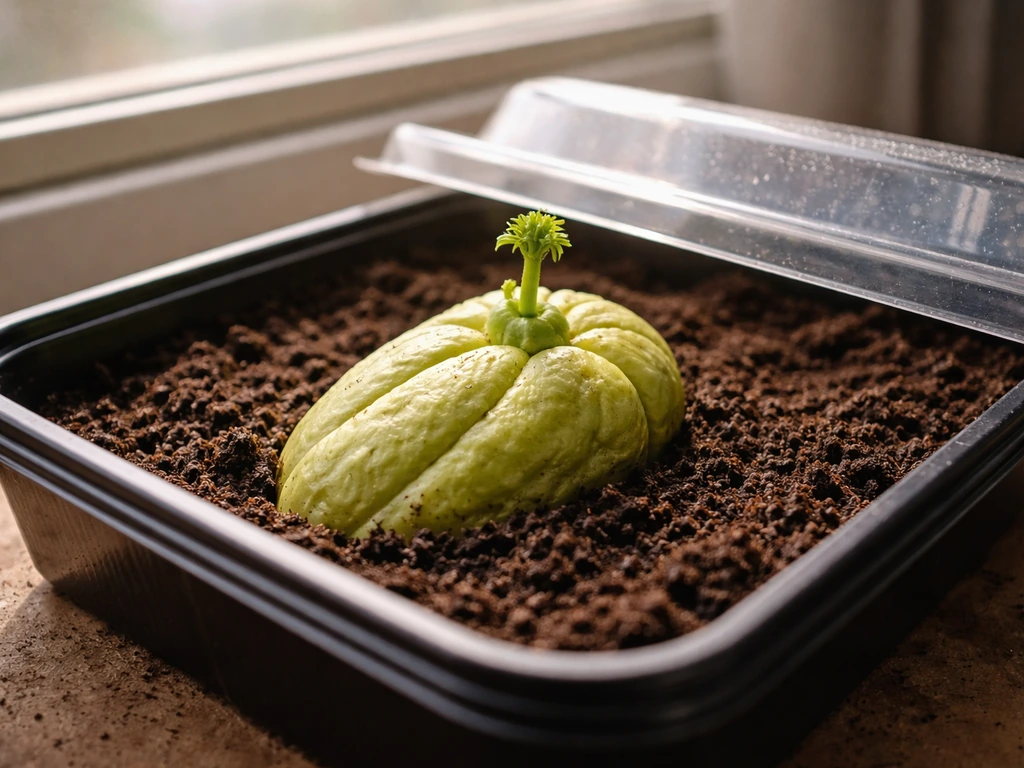
Chayote is almost always started from the whole fruit, not from seeds you extract. The seed inside is fused to the flesh and cannot be removed without damaging it. You simply place the entire fruit, slightly tilted with the stem end facing down or at a 45-degree angle, partway into a pot of moist potting mix and let it sprout. Pick a fresh, unblemished fruit from a Latin American grocery store or online supplier. Avoid any that look shriveled or have been refrigerated for a long time, since cold storage can reduce viability.
Indoor start timing
In Canada, you must start chayote indoors. There is no getting around it. Aim to start sprouting your fruit 10 to 12 weeks before your last expected frost date. In Canada, Natural Resources Canada provides climate and environment atlas maps and tools that include [national frost-date normals](https://prod-natural-resources.
azure. cloud. nrcan-rncan. gc.
ca/maps-tools-publications/maps/atlas-canada/climate-environment), based on station data. For most of southern Ontario and BC, that means starting indoors in late February or early March. Keep the sprouting pot in a warm room, ideally 20 to 25°C, and in a bright south-facing window or under grow lights. The vine will emerge from the top of the fruit and can grow fast, so be ready to provide support and light immediately.
Do not rush transplanting outdoors. Wait until night temperatures are reliably above 12°C and all frost risk is gone, typically late May to early June in the warmest zones.
Transplanting and hardening off
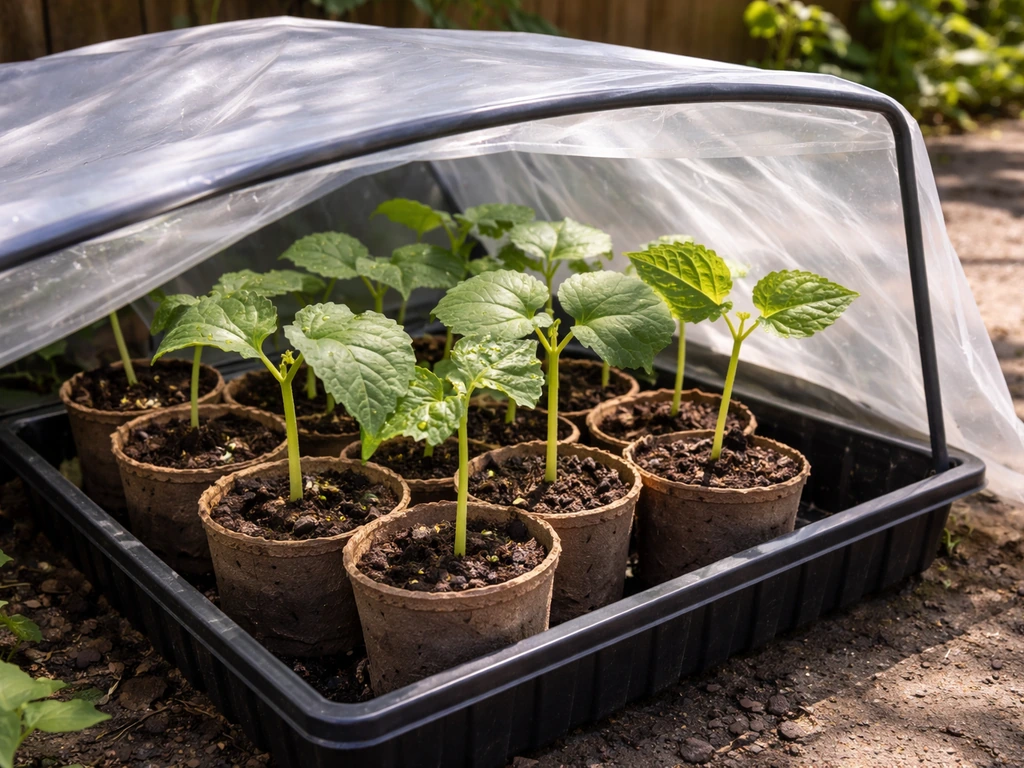
Harden off your chayote plant for at least 10 to 14 days before transplanting. Move it outside for a few hours each day, gradually increasing exposure. Chayote roots do not like being disturbed, so use a large pot or a biodegradable container you can plant directly into the ground. Transplant carefully, keeping as much root zone intact as possible.
Best growing setup for Canadian conditions
Site selection is critical. Choose the warmest, most sheltered spot you have. A south or southwest-facing wall or fence is ideal because it absorbs heat during the day and radiates it back at night. Full sun is non-negotiable. Chayote in partial shade will grow plenty of leaves and almost no fruit in a short Canadian season.
Soil should be rich in organic matter. Chayote is a heavy feeder and needs a well-draining but moisture-retentive mix. Work in a generous amount of compost, at least 3 to 4 inches mixed into the top 12 inches of soil. A slightly acidic to neutral pH around 6.0 to 7.0 works well. Black plastic mulch laid over the bed before planting will warm the soil significantly and help maintain the heat the plant wants.
Trellising is essential. Chayote is a vigorous climbing vine that can reach 10 metres in ideal conditions. In Canada it will not get anywhere near that, but you still need a sturdy trellis at least 2 to 2.5 metres tall. A cattle panel, heavy-gauge wire mesh attached to a fence, or a pergola frame all work well. Install the trellis before planting so you do not disturb roots later. Train the main vine upward and spread lateral shoots horizontally to maximize sun exposure on the leaves and developing fruits.
- Full sun, minimum 8 hours daily
- South or southwest-facing wall for reflected heat
- Rich, well-drained soil with heavy compost amendment
- Black plastic or dark landscape fabric mulch to warm soil
- Sturdy trellis at least 2 metres tall installed before planting
- Sheltered location protected from strong wind
Care through the growing season
Watering
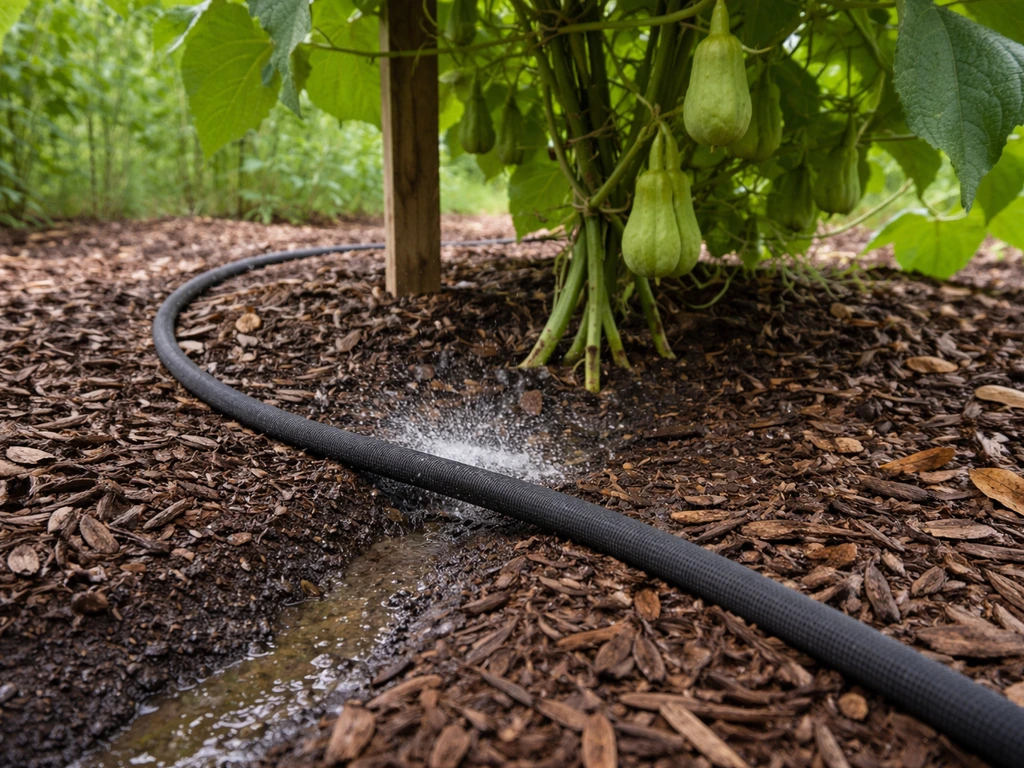
Chayote is sensitive to drought but equally dislikes waterlogged roots. Water deeply and consistently, aiming for about 2.5 cm per week when there is no rain. In hot, dry stretches that is closer to two or three times a week. The goal is consistently moist soil, not wet soil. A layer of organic mulch around the base (on top of or instead of plastic mulch once the plant is established) helps retain moisture and moderate soil temperature swings.
Feeding
Feed chayote regularly because it is a large, fast-growing vine with significant nutrient demands. Start with a balanced fertilizer (something like 10-10-10) every two to three weeks during the vegetative phase in June and early July. Once the plant begins to show flower buds, shift to a lower-nitrogen formula with more phosphorus and potassium to encourage fruit set rather than endless leaf production. Compost tea or fish emulsion as a foliar feed every couple of weeks also helps keep the plant vigorous.
Pruning and training
In Canada, aggressive vine management is actually your friend. Letting chayote sprawl endlessly means the plant wastes energy on leaves rather than fruit. Once the main leader reaches the top of your trellis, pinch it back to force lateral branching lower on the plant where fruits will form. Remove any shoots that are growing toward shaded or cramped areas. The goal is an open, well-lit canopy with good air circulation. This also reduces risk of fungal issues in humid Canadian summers.
Harvesting chayote in cooler climates
Chayote flowers appear in late summer as day length shortens, typically August in most Canadian locations. Fruits develop from female flowers and reach harvest size in about 25 to 30 days after pollination. Harvest chayote when fruits are 10 to 15 cm long and the skin is still smooth and tender. Do not wait for them to get huge; smaller fruits are more tender and have better flavor. In a good year in southern Ontario or BC, you can expect your first fruits by mid to late September. Be ready to harvest quickly once they start coming, and cover plants with row cover if temperatures threaten to drop below 12°C before you are done harvesting.
Realistic yield expectations in Canada are modest compared to tropical growing conditions. A healthy plant might produce 10 to 25 fruits in a good season, compared to hundreds in a warm climate. Some cooler or shorter seasons you might get just a handful. That is normal. The plant was doing its best.
Overwintering and getting a plant back next year
This is where Canada gets tricky. Chayote produces tuberous roots that can survive winter in the ground in USDA zones 8 and above, roughly equivalent to the mildest parts of coastal BC. In most of the rest of Canada, leaving the roots in the ground is not a safe bet. A hard frost will kill them.
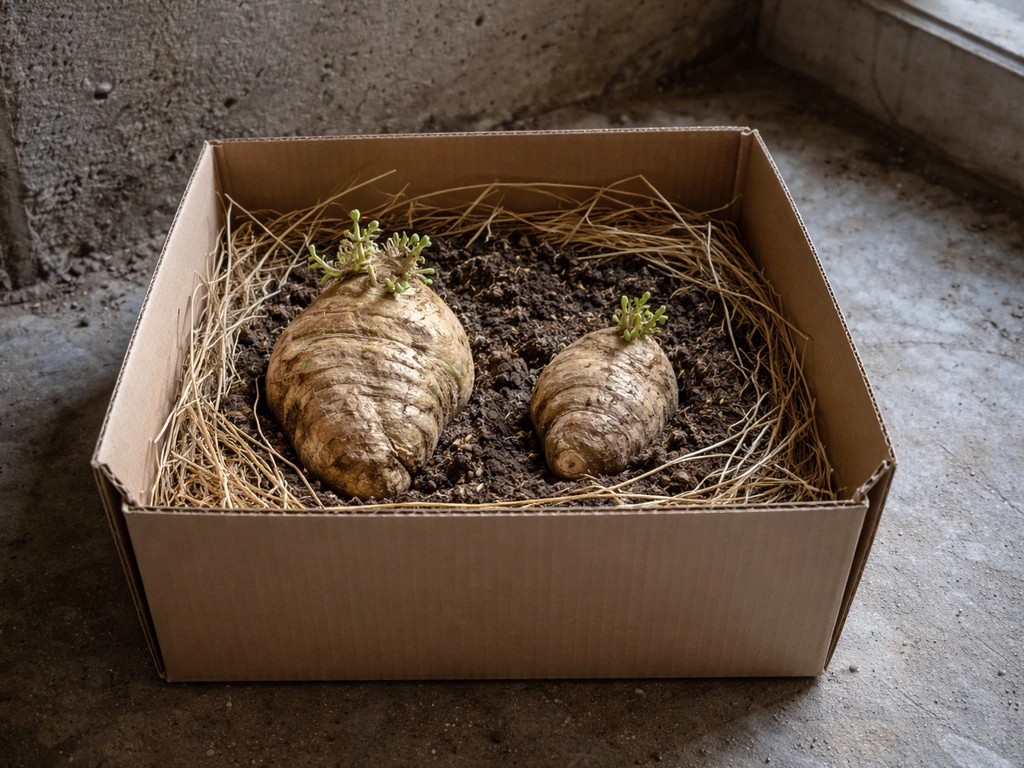
If you want to try saving the root, dig it up in late October before the ground freezes, brush off the soil, and store it in a cool but frost-free location, around 10 to 13°C. A cool basement corner or a garage that stays above freezing works. Pack the root loosely in dry peat or sawdust and check it monthly for rot. In spring, pot it up and start it indoors just as you would a new fruit. This works better in mild BC than in Ontario or Quebec, where the roots often do not survive the digging and storage process reliably.
Honestly, many Canadian growers find it easier to just start fresh each year with a new fruit from the grocery store. It is low cost, reliable, and sidesteps the overwintering hassle entirely. Save the root-overwintering experiment for once you have a system that consistently gets you fruit and you want to try for a bigger, faster plant the following season.
Quick decision checklist: can you do it where you live?
Run through this before you commit to growing chayote this season. If you are wondering can you grow yams in Canada, the short answer is that it depends heavily on your season length and whether you can protect the crop from cold. If you can check most of these boxes, you have a real shot at fruit. If you are missing several, go in with lower expectations or focus on container growing in a greenhouse.
- You are in a region with at least 140 to 150 frost-free days (check Natural Resources Canada climate tools for your nearest station).
- You have a south or southwest-facing, wind-protected growing spot with 8+ hours of direct sun.
- You can start the plant indoors by early to mid March and have grow lights or a very bright south window.
- Your last frost date is before May 20 and your first fall frost is after October 1.
- You can install a trellis at least 2 metres tall and have room for a large sprawling vine.
- You are prepared to use row covers or season extension tools in early June and again in late September.
- You can water consistently and feed every two to three weeks through the season.
- You have access to a fresh, ungassed chayote fruit from a grocery store or supplier to use as your start.
Chayote sits in an interesting category alongside other warm-climate crops that Canadians push into cooler zones, much like growing yams or bay leaves north of their natural range. It rewards growers who treat it as a project rather than an afterthought. Put in the setup work, give it the warmest spot on your property, and start early. The fruit is worth it when the season delivers.
FAQ
Can you grow chayote in Canada without a greenhouse?
Yes, but only if you can fully protect it from cold and extend the season using warmth-focused methods (black plastic mulch, row cover, and a south-facing wall). If your nights dip close to 12°C before fruiting is complete, you should expect reduced or stalled fruiting, even if the plant looks healthy.
What’s the fastest way to increase your chances of getting fruit in southern Ontario or BC?
Start the sprouting fruit 10 to 12 weeks early, then keep the growing tip supported and well-lit the moment it emerges. Many failures happen because the vine grows out before it has enough warm, steady conditions to form flowers by late summer.
Should I try to grow chayote from seeds instead of the whole fruit?
In Canada, the reliable route is using the whole fruit because the seed is fused to the flesh. If you extract a seed or damage the internal tissue, germination is often poor, and you lose the one step that makes early sprouting predictable.
How do I stop my chayote from getting a big leafy canopy but almost no fruit?
Control vine growth. Pinch the main leader after it reaches near the top of your trellis to force more lateral branching lower on the plant, and avoid high-nitrogen feeding once you see flower buds. Too much nitrogen late in the season tends to produce leaves instead of developing fruit.
What is the best trellis height and training style for small Canadian gardens?
A trellis around 2 to 2.5 metres tall usually works. Train the main vine up, but spread side shoots horizontally so leaves and developing fruit get more sun. If you let everything climb straight up, shaded zones form quickly and fruiting drops.
How early do I need to cover chayote with row cover for Canadian weather?
Plan to cover as soon as nighttime forecasts threaten to approach 12°C, especially in late August and September. Don’t wait until frost risk is official. Row cover can buy you days, but it cannot replace true frost protection.
My chayote flowers, but the fruits fail to size up, why?
The most common causes are temperature drops during late-summer fruit development or inconsistent watering (alternating drought stress and waterlogged soil). Aim for steady moisture, then bias feeding away from nitrogen when buds appear.
Can chayote be grown in containers in Canada, and should I move it indoors?
Container growing is a practical option, especially in milder microclimates. Use a large, well-draining pot, keep it against a warm wall, and shelter it from cold snaps with row cover. Moving it indoors is tricky during warm months because the vine grows fast and needs light, but you can use indoor protection for short cold events.
Is it worth saving the tuberous roots over winter in Canada?
Only in the mildest conditions where freezing is unlikely. In most regions, roots in the ground are at high risk from hard frost. If you try root overwintering, dig late in the season before the ground freezes and store above freezing around 10 to 13°C, checking for rot monthly.
What size yield should I realistically expect in a good Canadian year?
Expect modest yields, often around 10 to 25 fruits from a healthy plant in warm southern areas. A few fruits, or even none, can still be a win in cooler years because chayote is timing its flowering and fruiting against Canada’s temperature drop in September and October.
How do I know if a grocery store chayote fruit will actually sprout here?
Choose a fresh, unblemished fruit and avoid ones that have been refrigerated for a long time. Cold storage can reduce viability, so your best sprouting odds come from fruit that still looks firm and recently handled.
Next Articles
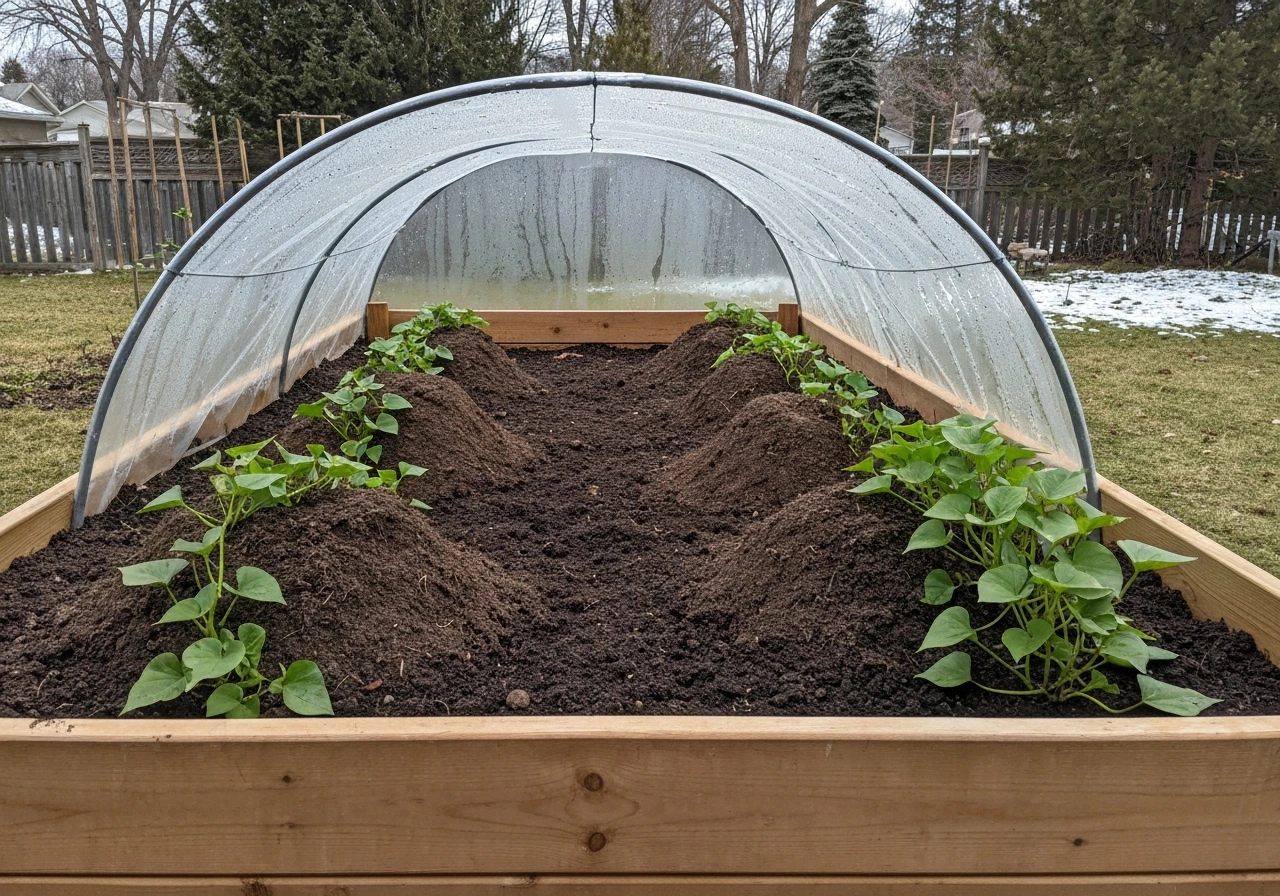
Can You Grow Yams in Canada? Sweet Potato Guide by Region
Grow sweet potatoes in Canada: which regions work, how to plant, protect frost, harvest, and cure for winter storage.
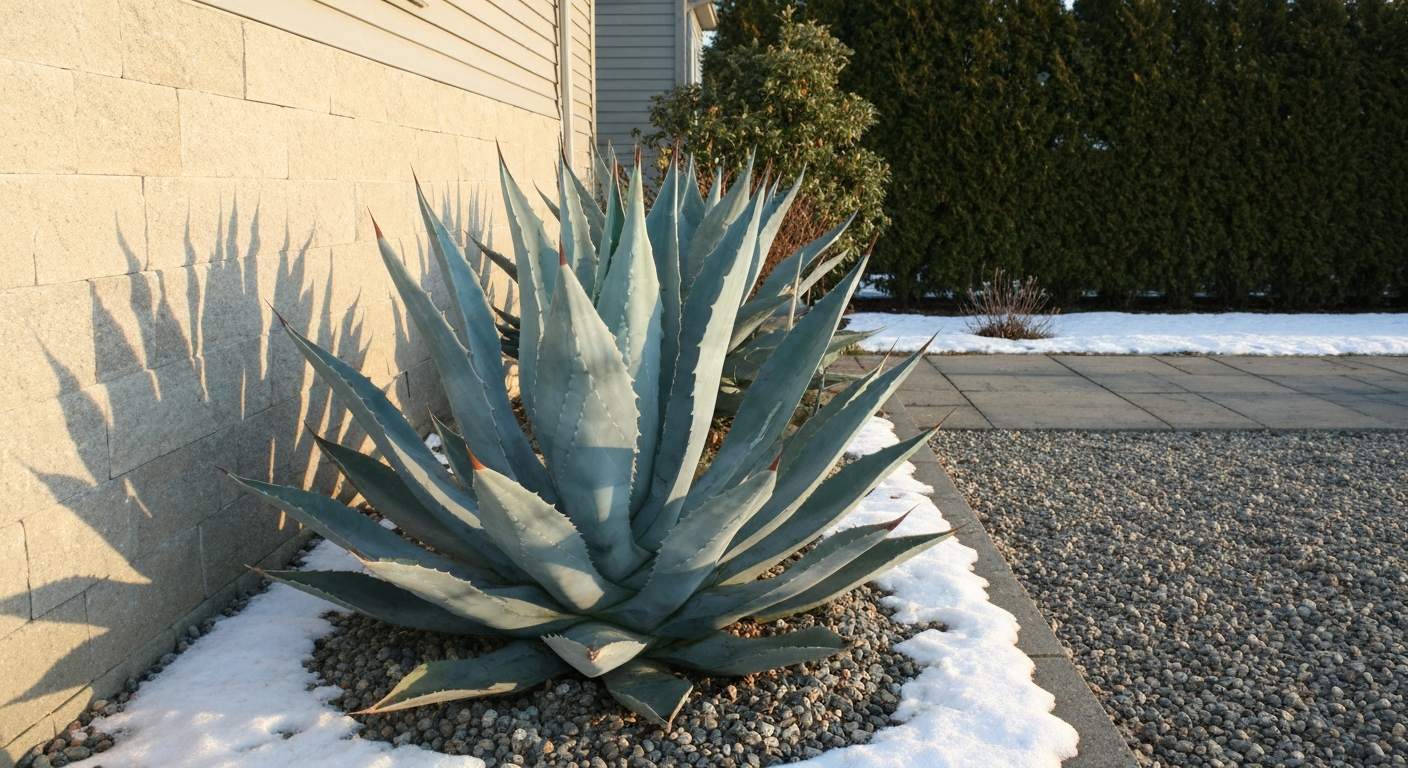
Can You Grow Agave in Canada? Zone Guide & Growing Tips
Can you grow agave in Canada? Practical region-by-region guide, hardy species, container tips & winter care.
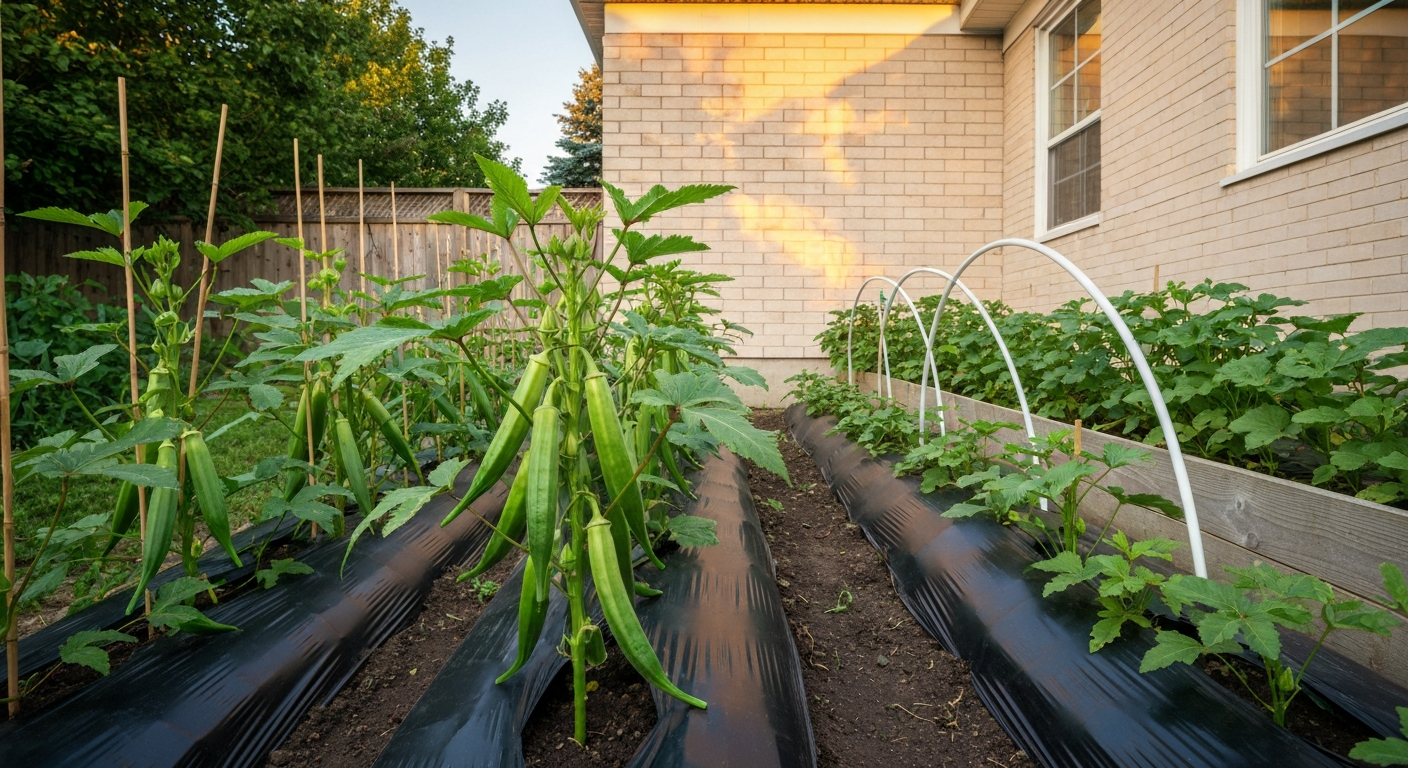
Can You Grow Okra in Canada? Ontario Guide & Short‑Season Tips
Can you grow okra in Canada? Regional verdict, Ontario-specific steps, varieties, season-extension & harvest tips.