Yes, you can grow ephedra in most of the US, but whether you should depends heavily on which species you mean and what you plan to do with it. The ornamental and native species, like Ephedra viridis (Mormon tea) or Ephedra nevadensis, are completely legal to grow as landscape plants. The species associated with ephedrine alkaloids, most notably Ephedra sinica (Ma Huang), sits in a legally murky spot: the plant itself is not federally scheduled as a controlled substance, but processing it into dietary supplements or extracting alkaloids from it runs directly into a federal ban that's been in place since 2004. If your goal is a drought-tolerant ornamental shrub for a dry Western garden, you're in good shape. If you're chasing ephedrine, that's where the legal and safety lines get very real.
Can You Grow Ephedra at Home in the US? Feasibility Guide
Legality and safety: what's actually restricted and what isn't
The federal picture comes down to this: the FDA banned dietary supplements containing ephedrine alkaloids under 21 CFR §119.1 in 2004, following documented cases of serious cardiovascular events. That ban covers finished supplement products, not the plant itself growing in your yard. Under 21 CFR §1300.02 and the scheduled listed chemical framework (21 CFR Part 1308), ephedrine and pseudoephedrine are treated as regulated chemicals rather than federally scheduled controlled substances in the DEA sense, which is why you can still buy cold medicine with pseudoephedrine at a pharmacy. But that regulatory nuance doesn't make home extraction a legal gray area you can casually exploit. Extracting or concentrating alkaloids from plant material for consumption or distribution would put you squarely in the path of federal chemical regulations.
At the state level, a handful of states have passed their own restrictions on ephedra plants or ephedrine-containing material, so you should check your state's department of agriculture or controlled substance schedules before ordering plants or seeds. Most states have no restriction on growing the plant ornamentally. The safety concern, separate from legality, is real: Ephedra sinica in particular contains stimulant alkaloids that can cause heart arrhythmia, hypertension, and stroke even in moderate doses. Growing it around children or pets, or allowing anyone to casually consume it, is a genuine risk.
Which ephedra are you actually talking about? Species and identification
"Ephedra" is a genus with roughly 65 species worldwide, and the ones people grow in the US fall into two very different camps: native ornamental species and the alkaloid-bearing Asian species. Knowing which you have (or want) matters a lot.
| Species | Common Name | Origin | Alkaloid Content | Primary Use |
|---|---|---|---|---|
| Ephedra viridis | Mormon Tea / Green Ephedra | Western US native | Very low to none | Ornamental, traditional tea |
| Ephedra nevadensis | Nevada Ephedra | Western US native | Very low to none | Ornamental, drought landscaping |
| Ephedra californica | California Ephedra | Western US native | Very low to none | Ornamental, native plant gardens |
| Ephedra sinica | Ma Huang | China/Mongolia | High (ephedrine, pseudoephedrine) | Traditional Chinese medicine |
| Ephedra intermedia | Intermediate Ephedra | Central Asia | Moderate to high | Traditional medicine |
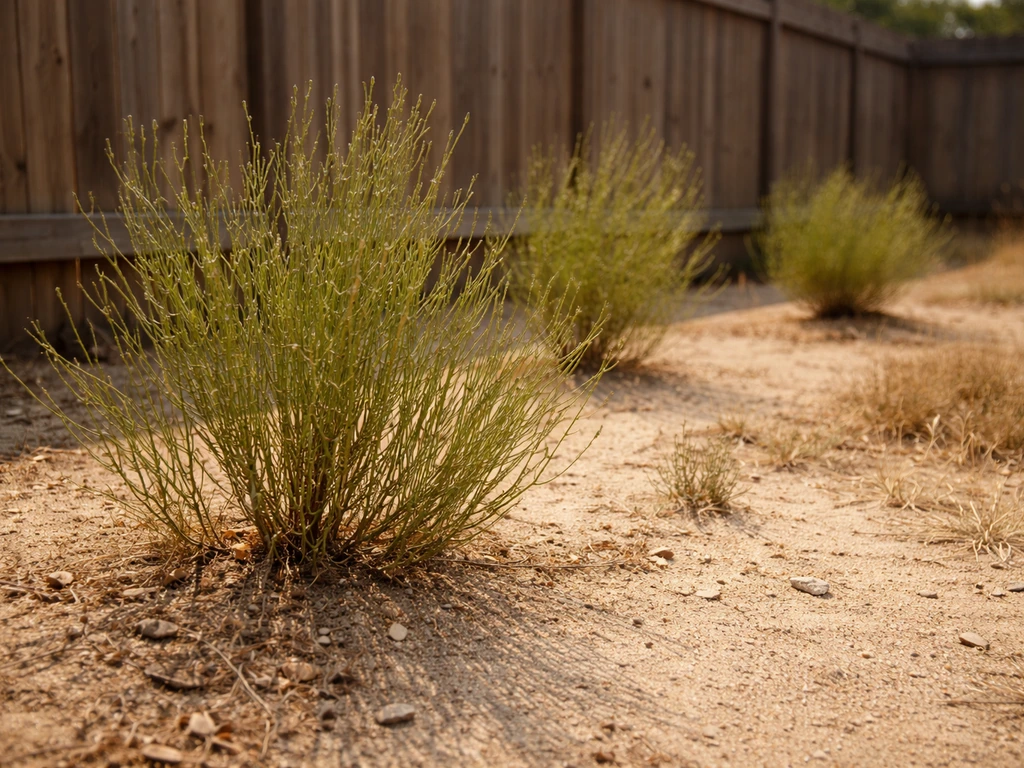
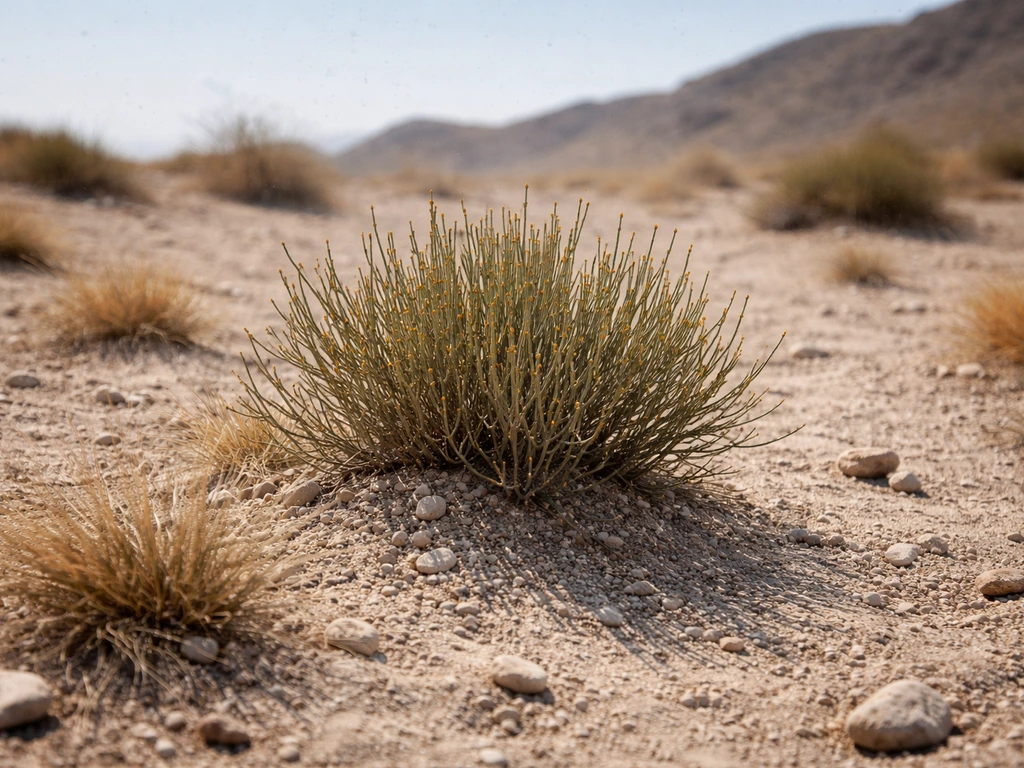
Visually, all ephedra species look similar: they're low to medium shrubs with segmented, jointed green stems (technically photosynthetic stems called strobili-bearing branches) and tiny scale-like leaves that are almost vestigial. The stems do the photosynthesis work, which is why they thrive in arid conditions. To tell native species from Ma Huang, the stems on E. sinica tend to be more slender and blue-green, while E. viridis has thicker, brighter green, more upright stems. If you're sourcing from a US native plant nursery, you're almost certainly getting a native low-alkaloid species. If you're ordering seeds labeled "Ma Huang" from overseas suppliers, that's E. sinica.
What ephedra needs to actually grow
Climate and USDA zones
Native Western ephedra species are cold-hardy to USDA zones 4-9 and are built for punishment: low rainfall, intense sun, wind, and poor soil. Ephedra viridis, for example, grows naturally at 3,500 to 7,000 feet elevation in the Great Basin and Rocky Mountain regions. Ephedra sinica is similarly tough, rated for zones 5-10, and handles cold winters down to around -20°F when established. The critical factor for both groups isn't cold, it's excessive moisture. These plants evolved in climates with dry winters and low annual precipitation, often under 12 inches per year. High humidity or wet winters are the primary killers.
Soil, drainage, and sun
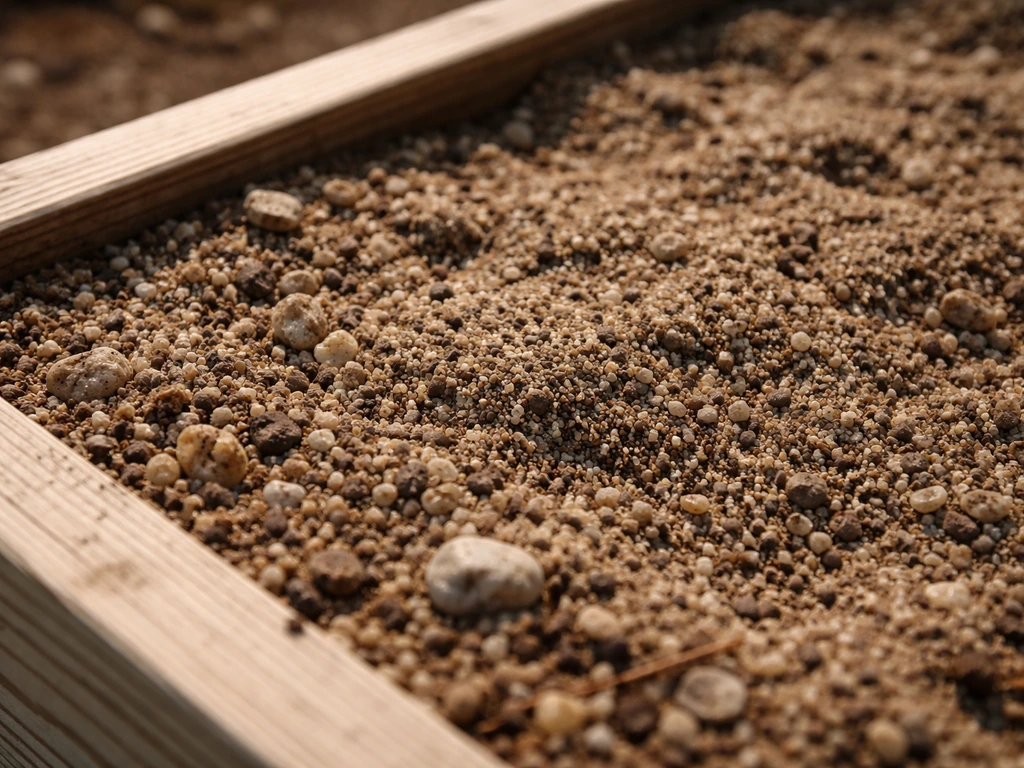
Ephedra demands excellent drainage above almost everything else. Sandy, rocky, or gravelly soils with a slightly alkaline to neutral pH (7.0-8.0) are ideal. Heavy clay soils are essentially incompatible without serious amendment, and even then, you're fighting the plant's natural preferences. If you're gardening in a clay-dominant region, raised beds with a gritty mix of coarse sand, perlite, and loamy topsoil will work far better than trying to reform your native soil. Full sun is non-negotiable: these plants need at least 6-8 hours of direct sun daily, and more is better. They'll survive in partial shade but grow sparse and weak.
Water
Once established (usually after the first full season), ephedra is remarkably drought-tolerant and can survive on natural rainfall in many Western climates. During the establishment phase, water once or twice a week, letting the soil dry completely between waterings. In humid Eastern climates, be conservative with supplemental irrigation and focus instead on soil drainage. Overwatering is the fastest way to lose an ephedra plant to root rot.
Propagation: seeds, cuttings, or buying a plant
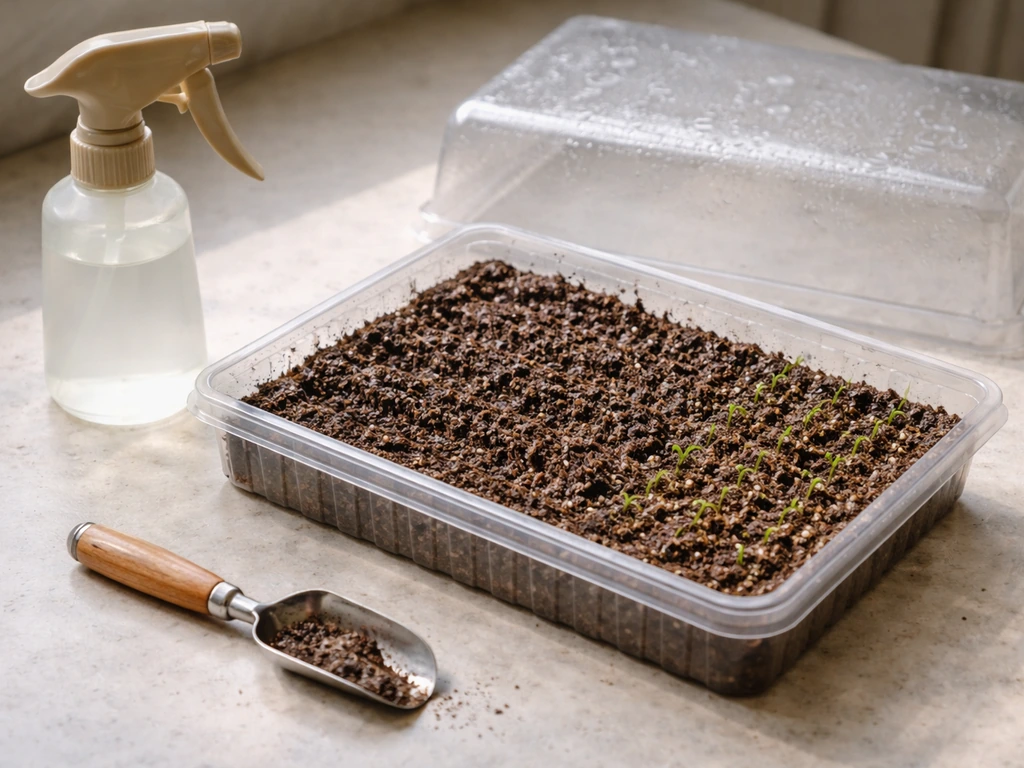
Seed germination is the most common route for ephedra. If you are instead asking about can you grow amethyst, you will need to treat it like a mineral specimen project rather than a typical garden plant. Seeds germinate best with a short cold stratification period: 2-4 weeks in a moist paper towel in the refrigerator before sowing. Sow at about 1/4 inch depth in a gritty, well-draining seed mix and keep them at 65-70°F. Germination typically takes 2-4 weeks. Seedlings are slow in the first year, reaching only a few inches in height, so patience is required. Seed viability can be inconsistent, especially with older or improperly stored seeds, so sow at a higher density than you think you need.
Stem cuttings work reasonably well in late spring or early summer. Take 4-6 inch cuttings from actively growing green stems, remove the bottom inch of scale-leaves, dip in rooting hormone, and insert into a mix of coarse sand and perlite. Keep cuttings in bright indirect light and mist lightly until roots develop, usually in 4-8 weeks. This is the faster route if you already have access to a plant.
Buying an established plant from a native plant nursery is honestly the easiest path for most gardeners, especially if you want a native US species for ornamental use. Specialty native plant suppliers in the Southwest and Mountain West commonly stock Ephedra viridis and related species. Transplant in spring, water well during the first season, and largely leave it alone after that.
Planting, spacing, and seasonal care
Plant ephedra in spring after your last frost date. Space plants 2-3 feet apart for a ground cover or erosion-control effect, or 4-5 feet apart if you want individual specimens to spread naturally. Mature plants of E. viridis typically reach 2-4 feet tall and wide; E. sinica tends to be more upright at 2-3 feet with a slightly narrower spread. A light layer of gravel mulch around the base helps with drainage and reflects heat, which these plants appreciate, but avoid organic mulches that retain moisture.
Fertilizing is mostly unnecessary and can actually cause problems by pushing soft, weak growth. A very light application of a balanced slow-release fertilizer in early spring is the maximum most plants will benefit from. Pruning is minimal: remove any dead or damaged stems in early spring before new growth emerges. These plants are not aggressive pruners' subjects. They're low-maintenance in the right climate.
In regions with wet winters (Pacific Northwest, Southeast, mid-Atlantic), protect container-grown plants by moving them to a covered area or unheated garage during the wettest months. In-ground plants in those regions benefit from a raised planting mound and gravel backfill to keep roots from sitting in saturated soil.
What people actually grow ephedra for
For native Western species, the most common reasons are ornamental landscaping, erosion control on dry slopes, and wildlife habitat. The small cones provide food for birds, and the dense structure offers cover. Traditional use of E. viridis as a mild herbal tea (Mormon Tea) is documented and generally considered safe since native species have minimal alkaloid content, though you should do your own research before consuming any part of any plant. The tea has a mild, slightly astringent flavor and was historically used as a beverage and a remedy for respiratory complaints.
Ephedra sinica has a long history in Traditional Chinese Medicine (TCM), where it's used under the name Ma Huang for respiratory conditions. Some people do grow it in the US for this traditional purpose, and as noted, growing the plant itself is not federally illegal. Federal scheduling of controlled substances is handled under 21 CFR Part 1308 (Schedules of Controlled Substances), per e-CFR / Cornell LII. The hard line is processing or consuming concentrated alkaloid extracts or selling it as a supplement, which the FDA has prohibited since 2004. If you grow it, the safest and most legally defensible use is as a botanical specimen or for minimal traditional whole-herb preparations under the guidance of a qualified practitioner.
Where in the US will ephedra actually thrive: a region-by-region breakdown
The honest answer is that ephedra is a plant of the arid and semi-arid West, and that's where it will perform best with the least effort. Here's a practical framework for your region:
| Region / States | Feasibility | Notes |
|---|---|---|
| Southwest (AZ, NM, NV, UT) | Excellent | Native habitat for several species; E. viridis and E. nevadensis thrive with no supplemental water once established |
| Mountain West (CO, WY, MT, ID) | Excellent | Cold-hardy species handle elevation and dry cold winters well; ideal for native species |
| Inland California / High Desert | Excellent | Low rainfall, fast-draining soils, and full sun make this ideal |
| Pacific Northwest (WA, OR coastal) | Poor to Fair | High winter rainfall and humidity causes root rot; only feasible in very well-drained raised beds, covered from rain |
| Northern Great Plains (ND, SD, NE, KS) | Fair | Cold-tolerant species survive, but moisture levels vary; drainage management critical |
| Midwest (IL, MO, IA, IN) | Fair to Poor | Heavy clay soils and humid summers challenge ephedra; raised beds with gritty mix help |
| Southeast (FL, GA, AL, MS, LA, SC, NC) | Poor | High humidity, summer rainfall, and clay soils make sustained success unlikely without significant infrastructure |
| Mid-Atlantic / Northeast (VA north to ME) | Poor to Fair | Cold winters are tolerable, but wet springs and heavy soils are problems; container growing is more realistic |
| Texas (West TX) | Good | Arid western areas are excellent; humid eastern TX is poor |
| Texas (East TX, Gulf Coast) | Poor | Too humid and wet for reliable outdoor cultivation |
If you're in an unfavorable region, container growing in a fast-draining cactus mix is a viable workaround. Use terracotta pots (they dry out faster than plastic), place in the sunniest spot you have, and water sparingly. Move containers indoors or under cover during prolonged wet spells. It's more management than ephedra asks for in its native range, but it's workable if you're committed.
Your next steps before you plant
- Identify which species you want: native ornamental (E. viridis, E. nevadensis) or the alkaloid-bearing E. sinica, because the legal, sourcing, and cultivation implications differ.
- Check your state's department of agriculture website and controlled substance schedules to confirm no state-level restrictions apply to the species you're sourcing.
- Assess your USDA hardiness zone and annual rainfall: if you're in zones 4-9 with under 20 inches of annual rain and fast-draining soils, you're in good shape for in-ground planting.
- Source plants or seeds from a reputable US native plant nursery (for native species) or a licensed seed supplier (for E. sinica), and keep documentation of your purchase.
- If you're in a humid climate, plan your raised bed or container setup before you buy, because the drainage solution needs to be in place from day one.
Ephedra is genuinely one of the easier plants to grow if your climate matches what it wants, and one of the harder ones if it doesn't. For gardeners in the arid West, it's a tough, low-maintenance native that earns its spot. For everyone else, it's a project that requires honest assessment of your site conditions. The legal picture is navigable as long as you stick to ornamental or traditional whole-herb uses and avoid the supplement processing territory the FDA closed off in 2004. Other specialty plants like milk thistle or mandrake raise similar questions about cultivation feasibility versus legal or safety considerations, and the framework here, identifying the specific species and checking your regional conditions, applies across all of them. You might be wondering can you grow mandrake, and it’s smart to check local rules and safety risks before trying it. If you are asking specifically can you grow milk thistle, the key is matching its light and drainage needs to your local conditions.
FAQ
Can I grow ephedra indoors, like on a sunny patio or window sill?
You can grow it in containers indoors or on a patio only if you can give near-full sun (around 6 to 8 hours) and keep the mix extremely fast draining. A normal potting mix is usually too moisture-retentive. Use a gritty cactus-style mix, a terracotta pot with drainage holes, and water only after the mix dries out fully, then reduce watering during any cloudy season.
How do I tell if my ephedra is a native ornamental type or the alkaloid-bearing Ma Huang type?
Don’t rely on the word “ephedra” alone. Check the label for the species name (for example, Ephedra viridis versus Ephedra sinica) and the source description. If you bought seeds labeled “Ma Huang” or “Chinese ephedra,” assume you have E. sinica. If the listing is vague, confirm with the nursery before planting.
What should I do if my ephedra starts turning yellow or thinning out?
Most often it is moisture or drainage. Ephedra typically fails from root rot, not from thirst. If yellowing appears, stop frequent watering, check that water drains quickly, and consider transplanting into a raised mound or a container with a gritty mix. Avoid organic mulches near the base, since they can hold moisture too long.
Can I use ephedra as mulch or compost from my yard clippings?
It is safer not to compost it for general use, especially if you are growing a higher-alkaloid species. Even if growing is legal in many areas, spreading plant material around households and gardens can increase accidental contact or ingestion risk for kids and pets. If you trim it, bag and dispose of the material rather than composting it.
Is it legal to dry ephedra stems or make a tea from the plant at home?
Whole-herb use from native, low-alkaloid species is generally treated more permissively than any extraction or concentration, but “legal” can vary by state and by how the product is prepared or sold. If you plan to ingest any part, keep it limited to reputable guidance for whole-plant traditional use and avoid concentrating, processing, or selling preparations.
What plants are best to pair with ephedra, given its drainage needs?
Pair it with other arid-adapted plants that also prefer full sun and fast drainage, like Mediterranean herbs and drought-tolerant natives. Avoid companions that need regular summer irrigation or rich, moisture-retentive soil. The goal is to keep ephedra’s root zone consistently well aerated and not soggy.
How far apart should I plant ephedra, and will it spread like a groundcover?
For a ground-cover or erosion-control effect, spacing around 2 to 3 feet can work. For more controlled specimen growth, use 4 to 5 feet. Ephedra spreads gradually by growth form, not like aggressive runners, so you should expect slower, more deliberate expansion than many typical shrubs.
Do older ephedra seeds always germinate reliably?
No. Seed viability can be inconsistent, especially with older or poorly stored seed. If germination is low, sow at a higher density and keep stratification and temperature consistent (cold stratification about 2 to 4 weeks, then warm conditions around 65 to 70°F). Also expect slow first-year growth, with seedlings staying small.
Can I propagate ephedra from cuttings if I don’t have access to a mature plant?
Yes, stem cuttings can work, but you need actively growing green stems. Cuttings generally root in about 4 to 8 weeks if you use a coarse sand and perlite mix, provide bright indirect light, and keep the humidity light but stable. If you cannot obtain a plant cutting, seed starting is usually more reliable than “mystery” cuttings.
What pest or disease problems should I watch for?
Ephedra’s biggest issue is often rot from excess moisture, not insects. In humid climates or containers, watch for wilting after watering, a sour smell from the soil, or stem collapse near the base. If pests do appear, treat cautiously, since many common garden products and heavy fertilization can push soft growth that ephedra does not handle well.
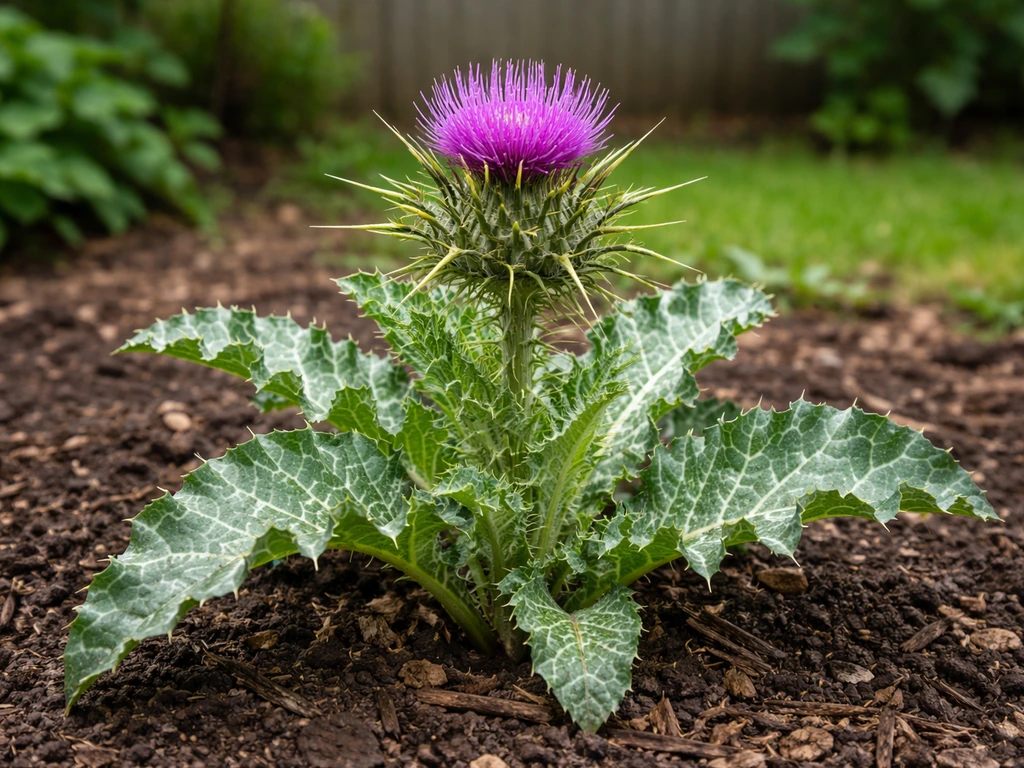
Yes with conditions: grow milk thistle by USDA zone with seed-start tips, care, pest basics, and seed harvest timing.
Grow spaghetti squash in the US with climate-specific tips, planting to harvest, pest control, and how to make strands.
Learn if you can grow amethyst at home, what supplies to use, step-by-step crystal growth, timing, troubleshooting, safe