
Yes, you can grow vanilla beans in Australia, and people are already doing it commercially in Far North Queensland. But there's a big difference between keeping a vanilla orchid alive and actually harvesting cured vanilla beans. To get beans, you need the right climate, a proper growing setup, and you'll be hand-pollinating every single flower yourself. If you're in tropical or subtropical Australia and willing to put in that work, it's genuinely achievable at home or on a small farm.
Can You Grow Vanilla Beans in Australia? How to Do It
Marcus Holloway
20 Jun 2026
Can vanilla actually be grown in Australia?
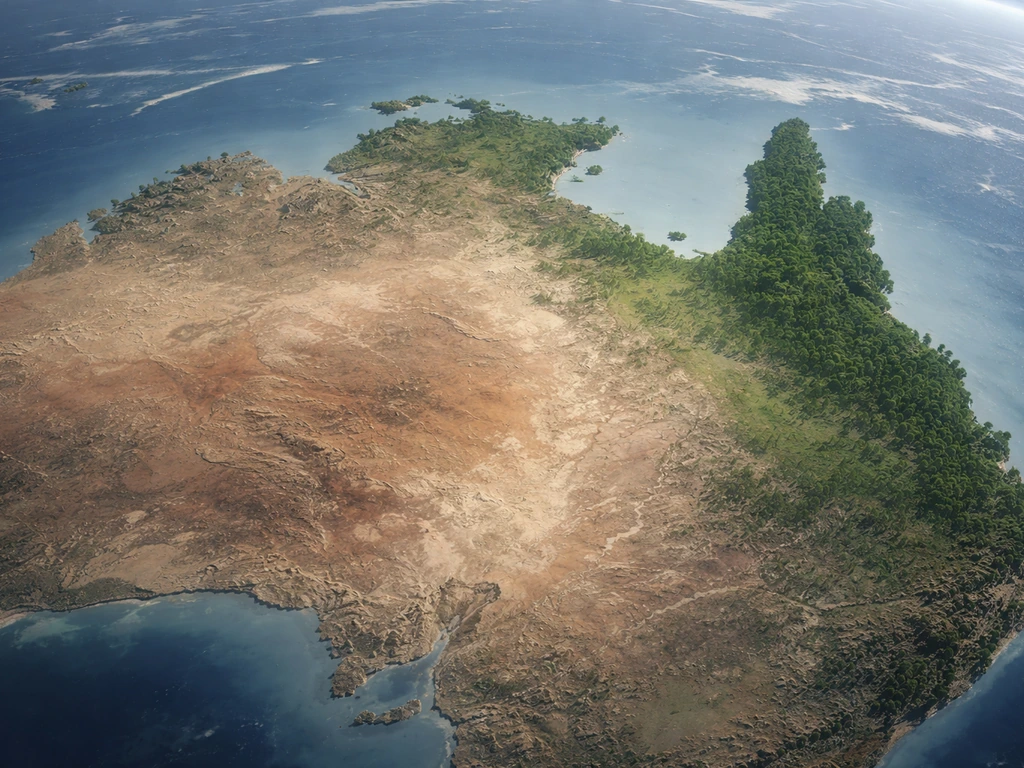
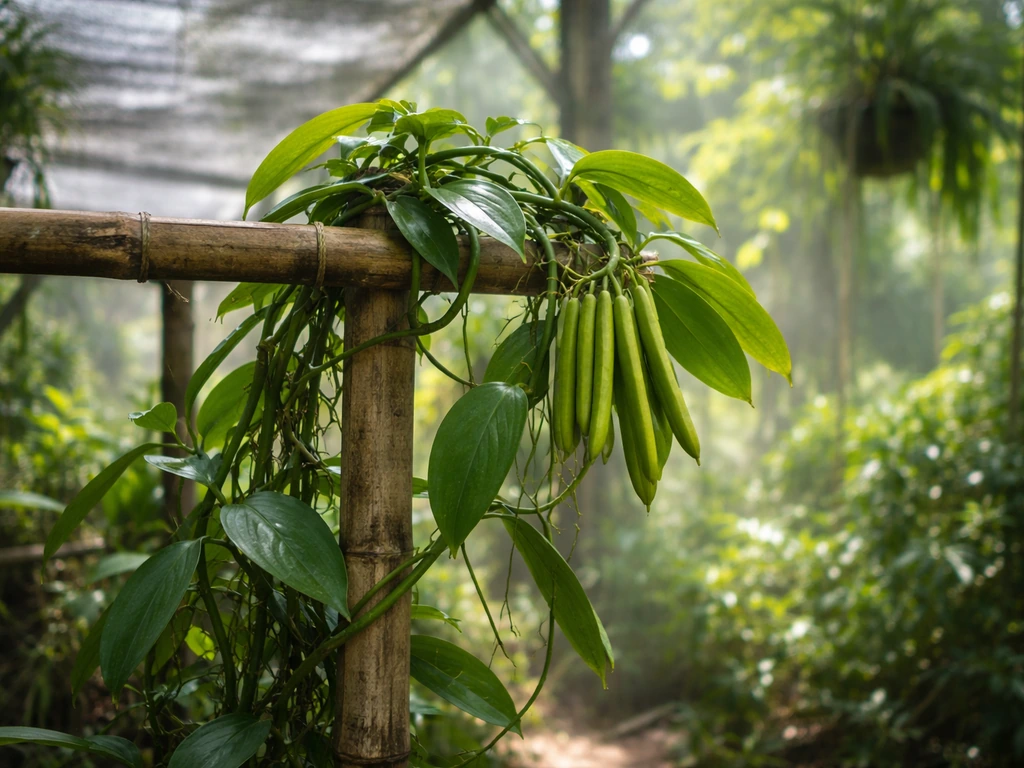
Vanilla planifolia is a tropical orchid vine native to Mexico, and Australia has some regions that match its climate closely enough to produce beans. The Daintree rainforest in Far North Queensland is the clearest example: Daintree Vanilla and Spice grows over 10,000 vines there and has been producing beans commercially for several years. Wild Vanilla, another Australian producer, also grows vanilla planifolia in Australian rainforest conditions with hand pollination as part of their core process.
The honest caveat is that most of Australia is too dry, too cold in winter, or too exposed to work for vanilla outdoors without protection. Southern states like Victoria, South Australia, and most of Western Australia are generally not viable for outdoor production. Parts of coastal New South Wales and the Northern Territory fall in the middle, where a well-managed greenhouse or shadehouse can make it work. Queensland, particularly the tropical north, is where vanilla is most naturally at home.
What conditions vanilla needs in the Australian climate
Vanilla needs warmth, humidity, and protection from frost, full stop. The optimum daytime temperature range is 15 to 30°C, with nights staying between 15 and 20°C. Once temperatures push above 32°C consistently, you'll see increased yellowing and dropping of immature fruits, which is a real risk in the Australian tropics during summer heatwaves. Ideal humidity sits around 80%, which is why the Daintree and similar rainforest-edge environments work so well.
Frost is a dealbreaker. Even a light frost will kill vanilla vines, so anywhere that sees sub-zero winter temperatures is off the table for outdoor growing. This rules out most of inland and southern Australia without a heated structure. Rainfall matters too: vanilla likes moisture but absolutely cannot sit in waterlogged soil, so free-draining growing media is essential regardless of your location.
| Australian Region | Outdoor Viability | Notes |
|---|---|---|
| Far North Queensland (Daintree, Cairns area) | High | Best conditions in Australia; commercial production already established |
| Tropical Northern Territory (Darwin area) | Moderate to High | Hot and humid; manage heat above 32°C and cyclone exposure |
| Coastal Southeast Queensland / Northern NSW | Moderate | Subtropical; needs frost protection in winter and humidity management |
| Central and Southern NSW, ACT, Victoria | Low | Too cold in winter; greenhouse or heated shadehouse required |
| Western Australia (Kimberley region) | Moderate | Tropical north is viable; south and inland are too dry and cold |
| South Australia / Tasmania | Very Low | Winter cold and low humidity make outdoor growing impractical |
Best growing setup: outdoors, shadehouse, or greenhouse
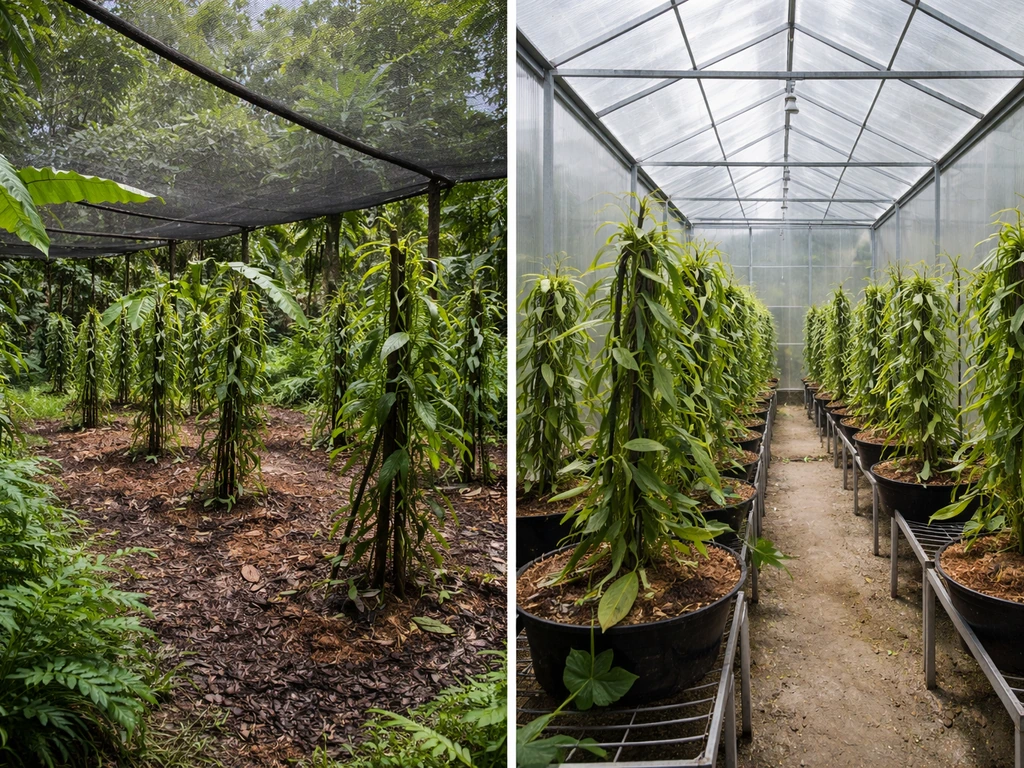
In Far North Queensland's tropical rainforest areas, you can grow vanilla in-ground outdoors with a shade structure, which is exactly what commercial producers there do. Shadehouses with around 50% shade cloth mimic the filtered light of a forest canopy, which is what vanilla naturally grows under. The shade also keeps temperatures more stable and reduces moisture loss. blank" rel="noopener noreferrer">Too much shade, though, reduces flowering and increases disease pressure, so you're aiming for dappled bright light, not deep shade.
For most of the rest of Australia, a greenhouse or enclosed shadehouse is the realistic path. If you can control temperature, humidity, and airflow, you can grow vanilla beans in a greenhouse even in cooler or drier parts of Australia. A greenhouse gives you control over temperature and humidity through winter, which is what makes subtropical and temperate regions viable at all. Containers inside a greenhouse also work well because you can move plants if needed. The key is maintaining airflow: stagnant humid air encourages fungal diseases, so passive or active ventilation in your structure is important.
Container growing is a good option for home gardeners who don't have a permanent structure, especially in areas like coastal NSW or Southeast Queensland. A large pot (30 litres or more) with excellent drainage lets you bring plants under cover in cold snaps and move them to optimise light. The trade-off is that container plants need more frequent watering and feeding than in-ground plants.
Getting started: sourcing vanilla and planting it
Vanilla is almost always started from vine cuttings rather than seed. A cutting of 30 to 60 cm with several nodes is the standard starting point. When sourcing plants in Australia, check with specialist orchid nurseries, tropical plant suppliers, or other vanilla growers. Note that importing vanilla plant material from overseas has real biosecurity requirements: Australia's BICON system and Biosecurity Australia regulate what can come in, and plant material for growing is treated very differently from vanilla beans for consumption. If you're buying locally, confirm the supplier is selling a propagated cutting of Vanilla planifolia, not a related ornamental species that won't produce usable beans.
Planting medium matters a lot. Vanilla roots are aerial in nature, similar to other epiphytic orchids, so they need an open, free-draining mix. A blend of orchid bark, perlite, and a small amount of coco coir works well. Avoid heavy potting soil, which holds too much moisture around the roots and causes rot. Plant the cutting with a few nodes buried shallowly and aerial roots exposed where possible, or trailing onto a support.
Training the vine: trellis, light, and watering
Vanilla is a climbing vine and it needs something to climb. In commercial production, vines are trained up support posts or trees and then bent horizontally once they reach a convenient height, because flowering and fruiting mostly occurs on the horizontal portions of the vine beyond the bend. At home, a trellis, wooden post, or wire frame works well. Aim to keep the vine at a height that's comfortable for you to reach for pollination, which you'll be doing by hand.
For light, you're targeting bright, filtered light rather than direct harsh sun. About 50% shade is the practical benchmark. Vanilla growing against a fence or under a shadecloth canopy that gets morning sun and afternoon shade tends to do well. Indoors or in a greenhouse, position near the brightest indirect light source available.
Watering should be consistent but never waterlogged. Allow the growing medium to partially dry between waterings, more so in cooler months and less during hot, dry periods. Fertilise lightly during the growing season with a balanced liquid fertiliser or an orchid-specific formula. Vanilla isn't a heavy feeder, and overfeeding produces lush growth at the expense of flowers.
Pollination: this is how you actually get beans in Australia
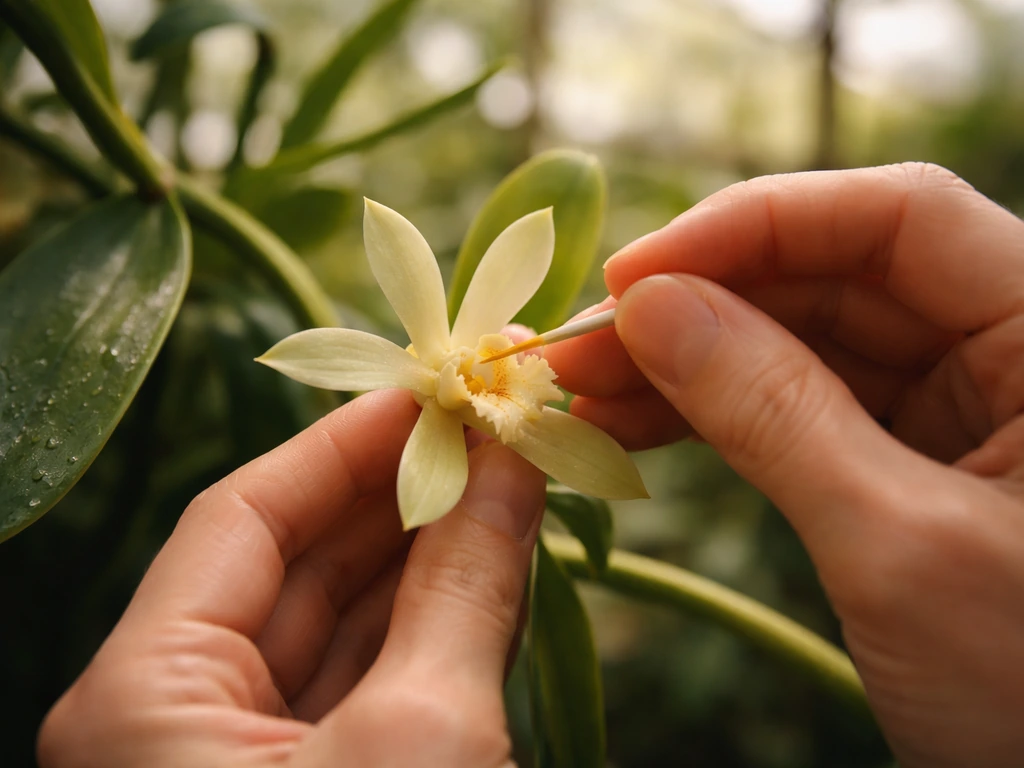
This is the part most beginners don't realise upfront. In Australia, you will need to hand-pollinate every flower yourself. The natural pollinator of Vanilla planifolia in its native Mexico is not well understood, and outside that environment, the plant essentially doesn't get pollinated without human help. If you’re wondering can you grow vanilla beans in arizona, the key is replicating warm, humid rainforest conditions in a protected setup Vanilla planifolia. No insects you'll find in your Australian garden are going to do this job for you reliably.
Each flower opens once, for a single day, and the window for successful pollination is roughly eight hours after it opens in the morning. By afternoon, the flower closes and the opportunity is gone. If pollination doesn't happen, the flower simply withers and drops within one to two days.
To hand-pollinate, use a small toothpick, matchstick, or similar fine tool. Gently lift the rostellum (a small flap separating the anther and stigma inside the flower) and transfer the pollen mass from the anther cap directly onto the sticky stigma beneath it. It takes about 30 seconds per flower once you've done it a few times. A drooping bean in the days after pollination is your sign that it took.
One practical tip: don't over-pollinate your plant. Setting too many pods at once weakens the vine and can reduce bean quality. If your plant is young or not fully established, limit to a handful of pods per flowering season while it builds strength.
Timeline: when to expect flowers and harvestable beans
Patience is non-negotiable with vanilla. A cutting started from scratch typically takes two to four years to flower for the first time, depending on growing conditions and vine maturity. Once the vine is mature and well-established, it can flower annually.
- Year 1 to 2: Vine establishment, root development, and training. Focus on getting the plant healthy and climbing its support.
- Year 2 to 4: Depending on conditions, first flowering may appear. Vines grown in ideal tropical conditions (Far North Queensland) may flower earlier than those in more marginal climates.
- After successful pollination: Beans take eight to nine months to fully mature on the vine. A bean starting to show yellow at the tip is the harvest signal.
- Post-harvest curing: Processing the green beans into the familiar cured vanilla takes four to nine months more, depending on your method. Major stages include killing, sweating, slow-drying, and conditioning. FAO recommends starting curing within a week of harvest.
So from a fresh cutting to a cured vanilla bean sitting in your kitchen, realistically budget three to five years. That sounds long, but established vanilla vines can produce for decades, so the investment pays off over time.
Care, pests, and troubleshooting
Common pests
Scale insects and mealybugs are the most common pests on vanilla in sheltered growing environments. Mealybugs in particular thrive in the humid conditions vanilla needs, and there are root-feeding species as well as the more visible above-ground types. Check regularly under leaves and along stems. For small infestations, a cotton swab dipped in rubbing alcohol handles individual colonies. Larger infestations may need horticultural oil or an appropriate registered insecticide. Snails and slugs can also damage young growth, particularly outdoors or in shadehouses.
Root rot and fungal issues
Root rot is the number one killer of vanilla in cultivation, almost always caused by overwatering or poor drainage. If the base of your vine turns brown and mushy, act quickly: remove affected sections with a clean cut, dust with sulphur or cinnamon, and let the plant dry out. Prevention through free-draining media and restrained watering is far easier than treatment. Fungal leaf spots can develop in low-airflow environments, which is why ventilation in a greenhouse or shadehouse matters as much as humidity.
Next steps based on where you are in Australia
- Far North Queensland: You're in the sweet spot. Source a cutting from a local supplier, set up a simple shadehouse structure or use an established shade tree, and start training your vine this season.
- Tropical Northern Territory: Conditions are close to ideal in the dry season but manage heat exposure in the wet season. A shadehouse with good airflow is your friend.
- Coastal Southeast Queensland and Northern NSW: A greenhouse or enclosed shadehouse is your best bet for reliable results. Start small with container growing to test your microclimate before committing to in-ground planting.
- Southern states (NSW inland, Victoria, SA, WA south): A heated greenhouse makes this feasible, but the energy and infrastructure cost is significant. Compare this approach to growing in a greenhouse, which gives you full climate control regardless of your outdoor conditions.
- All regions: Get a healthy cutting from a reputable Australian supplier, pot it into a free-draining orchid mix, give it something to climb, and accept that year one is entirely about establishment. Flowers and beans come later, but they do come.
If you're comparing this to growing vanilla in other warm climates, the fundamentals are the same: the plant needs tropical or subtropical conditions, hand pollination is essential, and protected growing environments expand where it's possible. Australia's tropical north is genuinely one of the better places in the world to try this outside of the traditional producing regions, and a small but real domestic vanilla industry is proving that out right now.
FAQ
What’s the minimum climate setup I need, if I’m not in Far North Queensland?
If you are outside the tropics, you will almost certainly need an enclosed setup where you can keep winter nights from dropping too low, maintain around 80% humidity, and prevent frost exposure. A shadehouse alone often fails in cooler periods because temperature swings and dry air reduce flowering and can stunt vines.
Can I grow vanilla outdoors in coastal New South Wales or Southeast Queensland without a greenhouse?
Sometimes, but only with strong protection, like a roofed shade structure plus frost covers or a way to isolate the vines during cold snaps. Even coastal areas can see cold enough nights to delay growth, and vanilla is extremely sensitive to any true frost event.
How do I stop vanilla from dropping immature pods during Australian summer heatwaves?
Treat heat spikes like a stress event. Aim for stable conditions under a shade structure or in a greenhouse, increase airflow, and avoid letting pots dry out completely during hot spells. If daytime temperatures exceed the low 30s consistently, yellowing and fruit drop become much more likely even when humidity is decent.
Do I need to keep temperatures within a narrow range for years, or is it flexible?
It is flexible up to a point. The bigger risks are cold exposure (especially sub-zero or near-freezing) and persistent low humidity. Short periods above the ideal range are not ideal, but they are more survivable than cold or prolonged dry air.
Will store-bought vanilla from the supermarket work for growing?
No. Cured vanilla beans sold for eating are not viable planting material, and their seeds are typically not grown for home propagation. In Australia, you want propagated Vanilla planifolia cuttings from a reputable specialist supplier.
How can I tell whether a purchased cutting is truly Vanilla planifolia?
Ask the supplier for the botanical name and confirm it is a propagated cutting specifically of Vanilla planifolia. Many ornamental or related vines can look similar while never producing usable vanilla beans, so confirmation before planting saves years of wasted effort.
Is hand pollination required for every flower forever, or only at first?
For Australian growing conditions, you should assume you will need to do it every season unless your setup somehow attracts the right pollinators. Vanilla flowers open once and close the same day, so relying on “maybe insects will handle it” usually results in low pod set.
What’s the best time of day to pollinate, and what if I miss the window?
Pollinate within the roughly eight-hour period after the flower opens in the morning. Once afternoon arrives, the flower closes and the chance passes, the flower will wither and drop shortly after if pollination did not occur.
How many flowers should I pollinate if my vine is still young?
Pollinate conservatively at first. Limiting the number of pods helps the vine keep enough energy for root and vegetative growth, which improves future flowering performance and reduces the risk that the vine becomes weak after a heavy set.
What watering schedule mistakes most commonly kill vanilla in cultivation?
Overwatering and staying wet too long. Even if humidity is high, the mix must drain well and partially dry between waterings. If the base turns brown and mushy, root rot is already underway, so reduce watering immediately and improve drainage.
Do vanilla cuttings need fertilizer from day one?
Usually not at full strength. Start with light feeding during active growth, and avoid heavy dosing because excess nitrogen often encourages leaf growth at the expense of flowers. If you are repotting into a fresh orchid-style mix, it is generally better to wait and observe new growth before increasing nutrients.
How do I manage pests in a greenhouse versus outdoors?
In sheltered environments, mealybugs are the most persistent issue because humidity suits them. Check stems and undersides regularly, isolate affected plants quickly, and consider early spot treatments. Outdoors, slugs and snails are more likely on tender new growth, so use physical barriers or targeted baiting strategies.
What airflow level should I target in a greenhouse or shadehouse?
You want moving air that prevents stagnant, humid pockets around the leaves. This reduces fungal leaf spotting and helps the plant handle high humidity. If you see persistent dampness after watering or water sitting on foliage, increase ventilation or adjust spacing.
How long will my first vanilla harvest realistically take, and how will I know I’m on track?
From a fresh cutting, plan on about three to five years to cured beans, with flowering depending on vine maturity and conditions. Being “on track” usually looks like consistent new growth, stable leaf health, and increasing flowering events once the vine reaches a mature size.
Can I cure and use the beans myself, or is specialized processing required?
Curing is essential for the vanilla aroma and flavor, and it is not the same as simply harvesting a pod. Plan for a multi-step curing process with controlled timing and drying, because improperly cured pods stay tough and bland even if pollination worked.
Next Articles
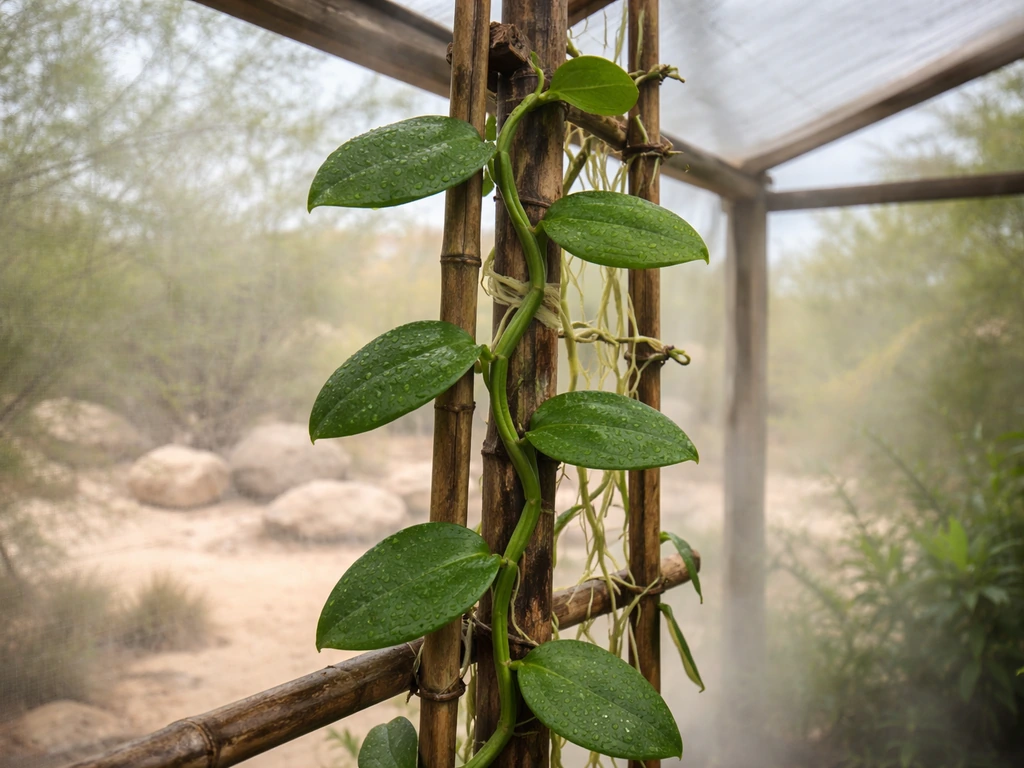
Can You Grow Vanilla Beans in Arizona? Realistic Guide
Learn if you can grow vanilla beans in Arizona, how to create humidity and shade for orchids, and requirements for polli
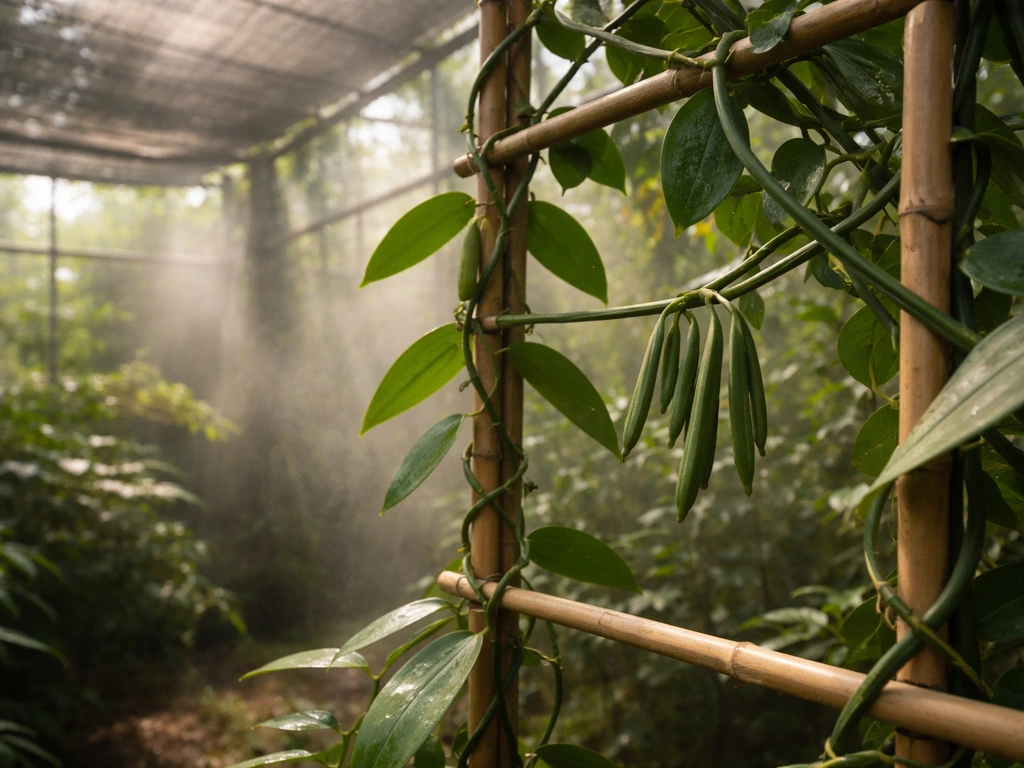
Can You Grow Vanilla Beans in a Greenhouse? How-To for US
Yes. Greenhouse how-to for growing vanilla beans in US climates: warmth, humidity, trellis, and hand-pollination for pod
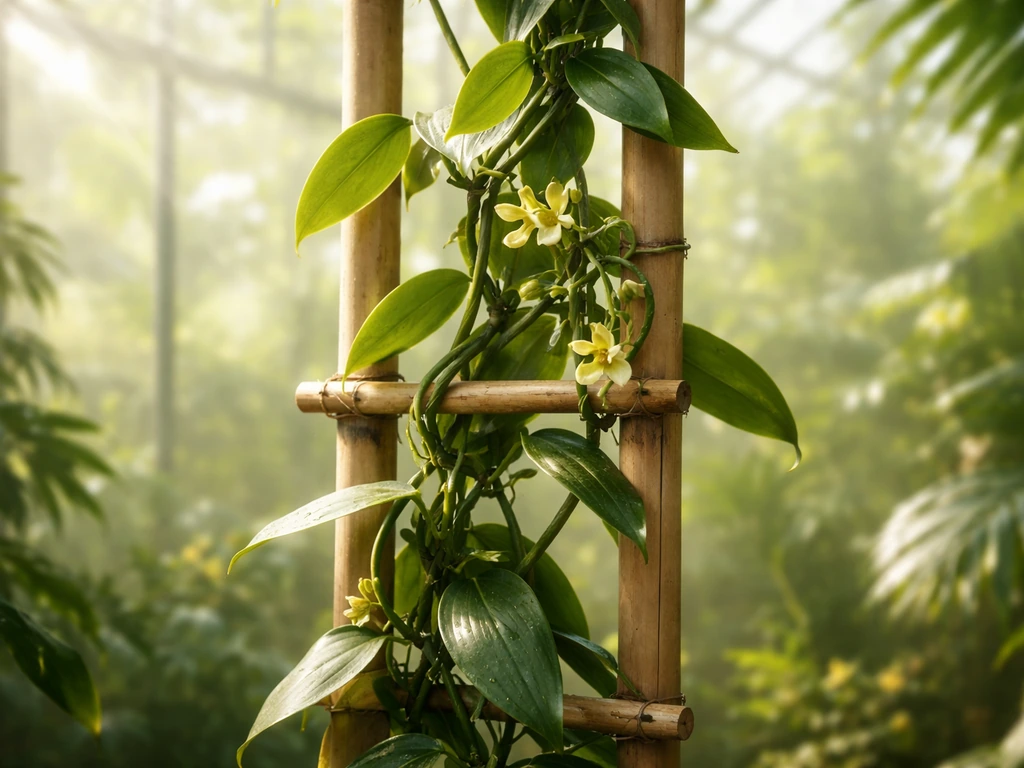
Can You Grow Vanilla Beans in California? How to Start
Learn if you can grow vanilla beans in California and how to meet tropical warmth, humidity, and pollination needs.