
Yes, you can grow vanilla beans in a greenhouse almost anywhere in the US, and with the right setup, you can actually produce pods. It takes patience (plan on 2 to 4 years before your first flowers), a reliable heat source, high humidity around 80%, filtered light, and a willingness to hand-pollinate every single flower that opens. It's not a casual project, but it's genuinely doable for a committed greenhouse grower.
Can You Grow Vanilla Beans in a Greenhouse? How-To for US
Marcus Holloway
27 May 2026
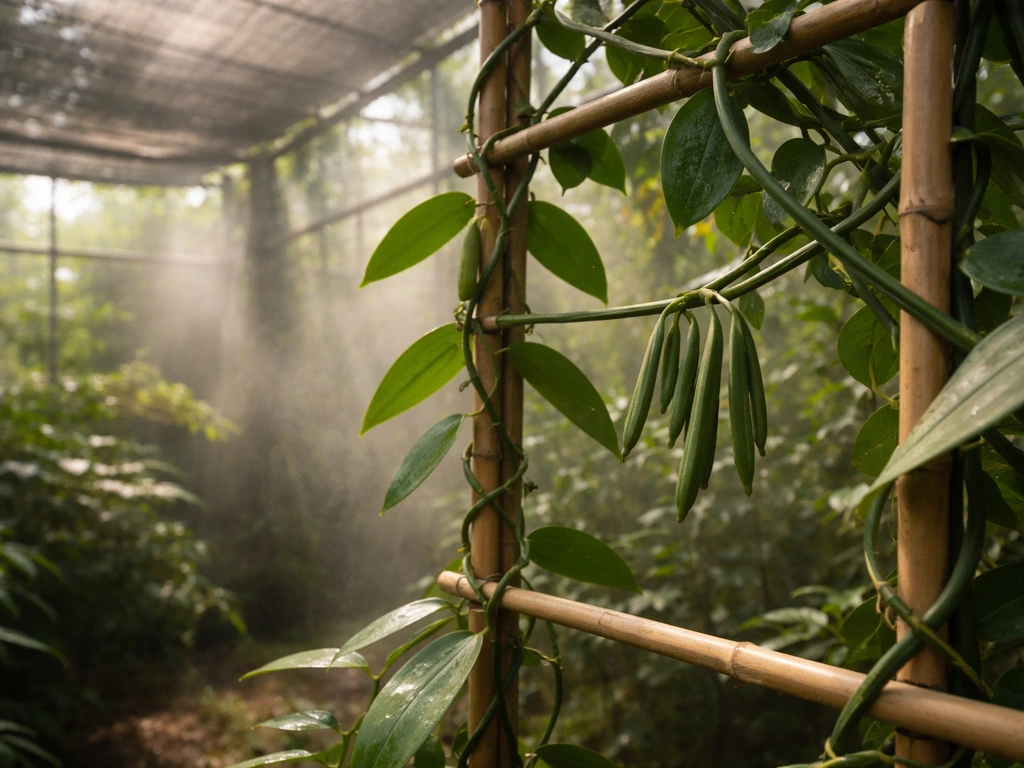
What vanilla plants actually need
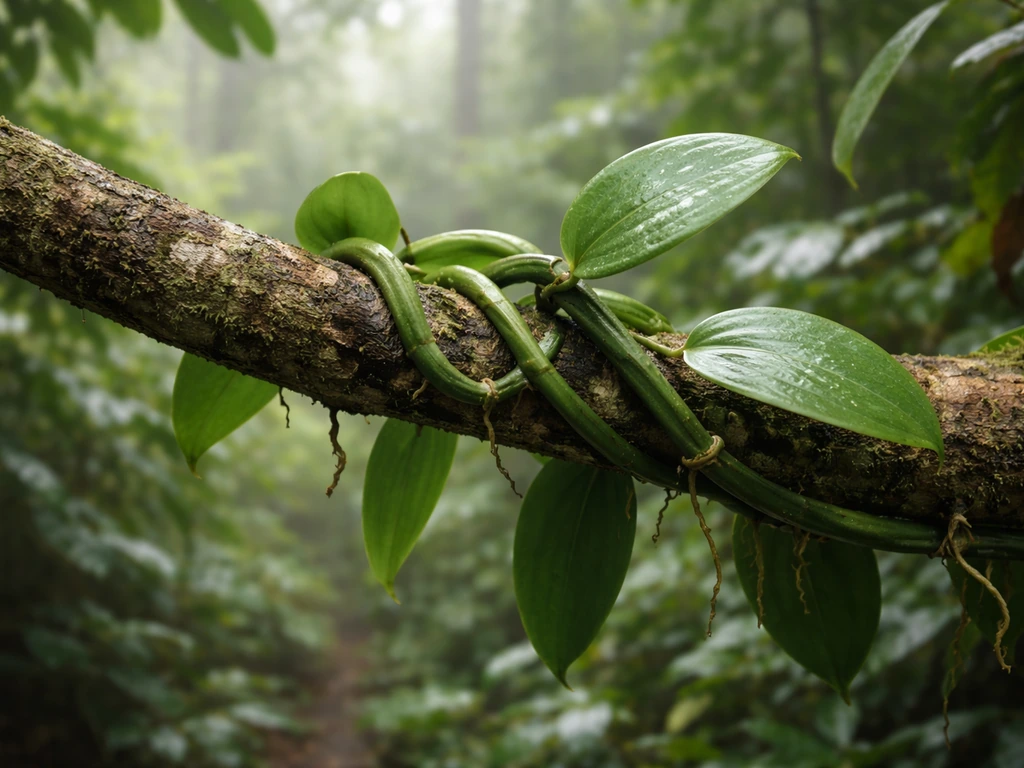
Vanilla planifolia is a tropical orchid vine native to Mexico and Central America. It climbs trees in humid jungle understory conditions, which tells you a lot about what it wants. Getting those conditions right in a greenhouse is the whole game.
Temperature
Vanilla grows best with daytime temperatures between 59 and 86°F (15 to 30°C) and nighttime temperatures between 59 and 68°F (15 to 20°C). The plant is very cold-sensitive. Temperatures below 50°F slow it dramatically, and anything close to freezing will damage or kill it. In most of the US outside South Florida, that means a heated greenhouse is non-negotiable.
Humidity
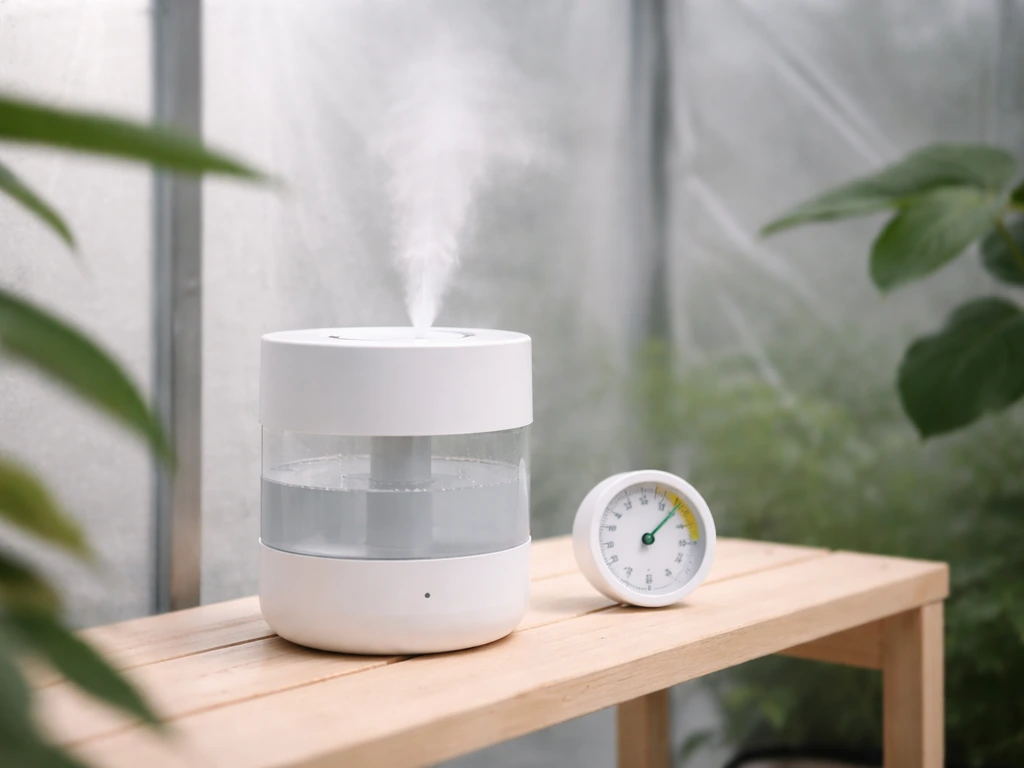
Target around 80% relative humidity. This is the single most common sticking point for US greenhouse growers because keeping humidity that high while also providing adequate airflow takes active management. You can't just spray water around and call it good.
Light
Vanilla is a shade-lover. It evolved under forest canopy, and direct intense sunlight will cause leaf damage and stress. You want bright, filtered, dappled light, roughly 50% shade cloth is the practical greenhouse solution. In terms of measurable intensity, aim for around 200 to 400 µmol/m²/s, which mimics that canopy-filtered quality. A south-facing greenhouse wall with shade cloth stretched across the roof gets you there.
Soil and growing medium
Vanilla has aerial roots and needs excellent drainage and aeration above almost everything else. Waterlogged roots rot fast. A well-tested mix is equal parts orchid bark chips and a peat/perlite blend, which gives you the drainage of an orchid mix with enough moisture retention to not dry out instantly. Keep the pH between 6.0 and 7.5. You can also grow directly in a raised greenhouse bed with a similarly amended, free-draining substrate.
Support and structure
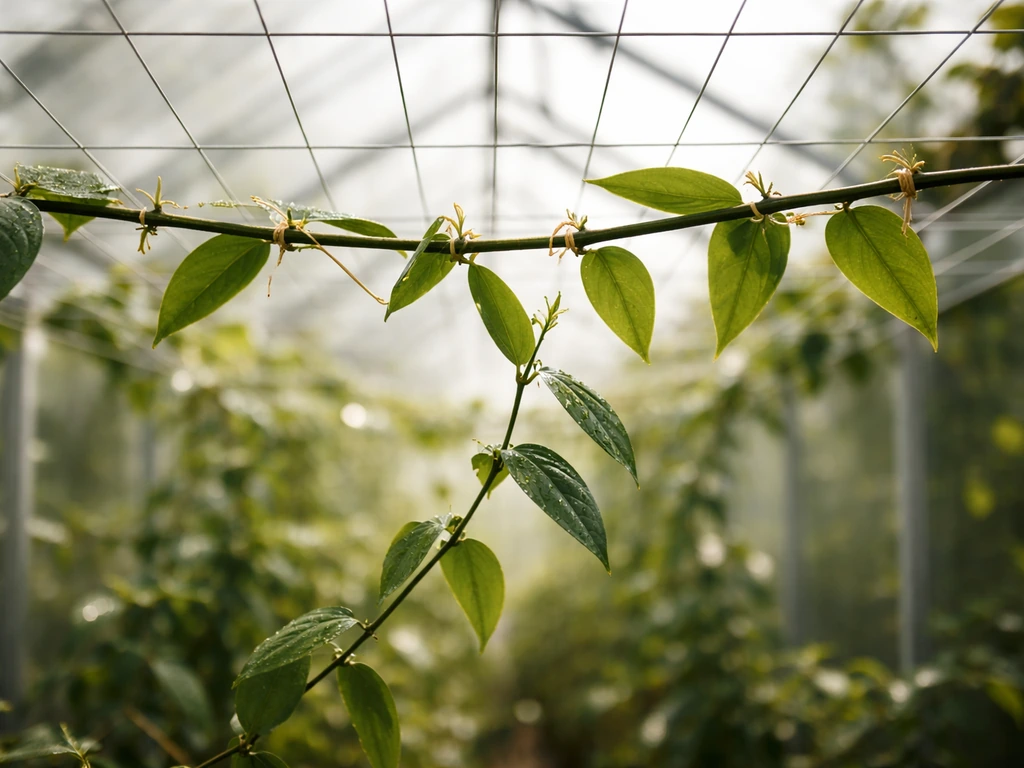
Vanilla is a vigorous climbing vine and will easily reach 10 to 20 feet or more at maturity. It needs a trellis, post, or overhead wire system to climb. Many greenhouse growers run horizontal wires across the roof space and train the vines horizontally once they reach the top, which also keeps the flowering zone at a manageable height for hand-pollination.
Setting up your greenhouse for vanilla
The goal is to mimic a warm, humid tropical understory inside your structure year-round. Here's how to hit each target practically.
Heating
A propane, natural gas, or electric forced-air heater with a thermostat set to hold a minimum of 60°F at night is the baseline. In northern states, you'll want to size your heater conservatively and insulate the greenhouse well, double-wall polycarbonate panels over single glass make a meaningful difference in heat retention costs. Don't rely on passive solar alone anywhere outside the deep South.
Humidity control
An ultrasonic or evaporative humidifier on a humidistat set to 75 to 80% RH is the practical solution. Misting systems work but require careful calibration to avoid overwatering the root zone. Monitor with a digital hygrometer rather than guessing. Humidity will naturally drop in winter when heating runs constantly, so be ready to run your humidifier harder during those months.
Ventilation and airflow
Here's the counterintuitive part: even though you're trying to hold high humidity, you still need air movement around the vines. Stagnant, humid air is a recipe for fungal disease. Oscillating fans that move air across the foliage without creating a direct cold draft are the standard approach. Roof vents help manage summer heat and prevent conditions from going above 90°F, which stresses the plant.
Containers versus in-ground beds
Both work. Large containers (15 to 25 gallons) with the orchid bark mix give you mobility and easy root inspection. Raised in-ground beds inside a permanent greenhouse offer more root volume and slightly more buffered moisture, which can help with long-term establishment. If you're using containers, use terracotta or similar breathable pots over plastic to reduce waterlogging risk.
Shade and light management
Install 40 to 50% shade cloth on the roof of the greenhouse. In winter, you can remove or reduce the shade cloth to maximize the lower light intensity of shorter days. Supplemental grow lights (broad-spectrum LED at appropriate intensity) can help during low-light winter months in northern regions.
Growing steps: from cutting to flowering
Vanilla is almost always started from cuttings rather than seed. Growing from seed is impractical for home growers. Source your cuttings from a reputable orchid nursery or specialty grower; look for healthy stem cuttings at least 30 to 60 cm long with several nodes.
- Let fresh cuttings callous for 2 to 3 days in a shaded, dry spot before planting. This reduces the chance of rot at the cut end.
- Plant the cutting in your prepared orchid bark mix in a container. Bury one or two nodes, leaving aerial roots exposed above the medium. Water lightly and do not soak.
- Provide your trellis or support structure immediately so the vine can begin climbing. Vanilla has tendrils and aerial roots that grab onto surfaces naturally.
- Keep the cutting in warm, humid conditions with filtered light. Avoid overwatering during the first 6 to 8 weeks while the plant establishes its root system.
- Once actively growing, water when the top inch of medium dries out. Feed with a diluted, balanced fertilizer (such as a 20-20-20 at half strength) every 2 to 4 weeks during active growth phases.
- Train the vine to climb vertically, then horizontally once it reaches the overhead support system. This horizontal training encourages lateral branching, which is where flower clusters (racemes) develop.
- Expect your first flowers somewhere between 2 and 4 years after planting a cutting under good greenhouse conditions. South Florida growers with near-ideal outdoor conditions see the 2 to 3 year end of that range; greenhouse growers elsewhere often land in the 3 to 4 year window.
Hand-pollination: the step you can't skip
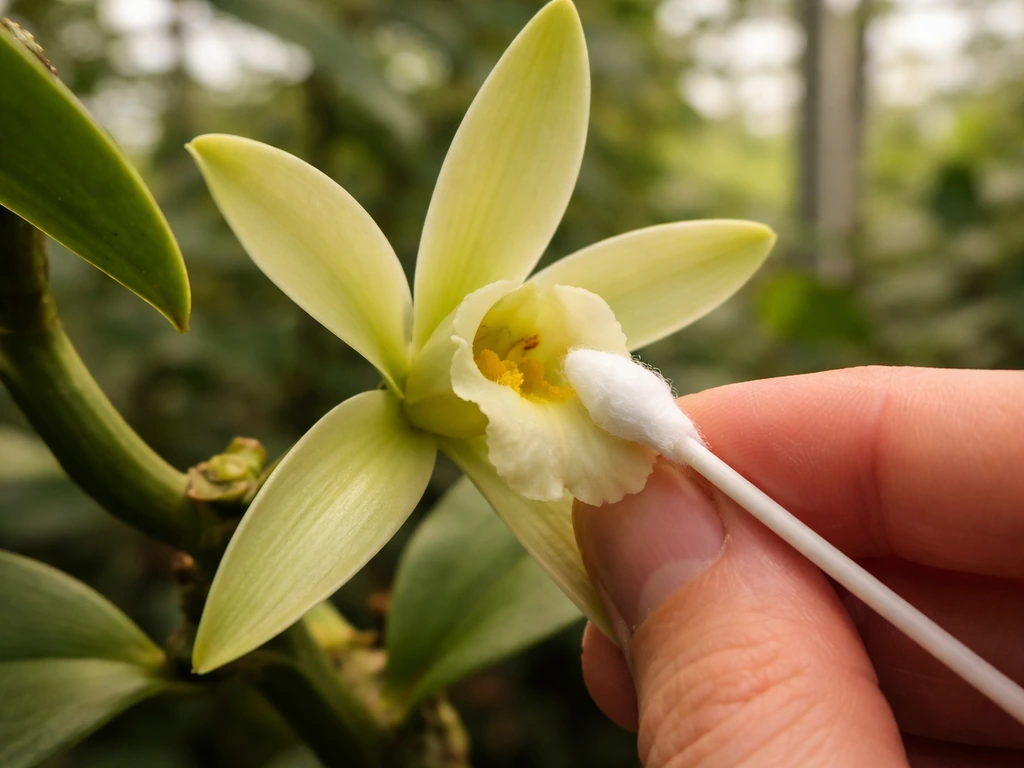
In their native habitat, vanilla flowers are pollinated by specific Melipona bees and certain hummingbirds that are not present in the US. Every vanilla bean you've ever seen was the product of hand-pollination, whether from a commercial plantation or a hobbyist's greenhouse. This is not optional: skip this step and you get zero pods.
Understanding the flower structure
Each vanilla flower has a small flap of tissue called the rostellum that physically separates the anther (pollen mass) from the stigma (receptive surface). This barrier prevents self-pollination under normal circumstances. To produce a pod, you have to physically move pollen across that barrier.
The technique, step by step
- Check your vines every morning during bloom season. Flowers open in the morning and each individual flower is only viable for one day. If you miss it, that flower drops without setting a pod.
- Use a toothpick, thin bamboo splint, or similar small tool. The goal is a precise, gentle instrument.
- Gently lift or fold back the rostellum (the small flap or membrane between the anther and stigma) with your tool.
- While holding the rostellum back, press the anther (pollen-containing structure) down and forward so it makes contact with the exposed, moist stigma below it.
- A successful contact leaves visible pollen on the stigma. You'll see the stigma slightly compress. Don't overthink it; it takes about 10 seconds per flower once you get the feel for it.
- Mark pollinated flowers with a small piece of colored tape or string so you can track pod set over the following weeks.
- Repeat daily for the full bloom period, which typically spans about two months. A single vine may produce dozens of flowers over that window.
What to expect after pollination
A successfully pollinated flower will begin swelling at the base within a week or two. The pod (the vanilla bean) then takes 8 to 9 months to fully mature from that point. Don't rush it. Premature harvest gives you thin, low-vanillin pods. Pods are ready when they turn yellowish-green at the tip and the first signs of splitting appear. After harvest, the curing process is a whole separate undertaking that transforms the green pod into the fragrant dried bean you recognize.
Pests, diseases, and keeping your plant alive long-term
The biggest threat: root and stem rot
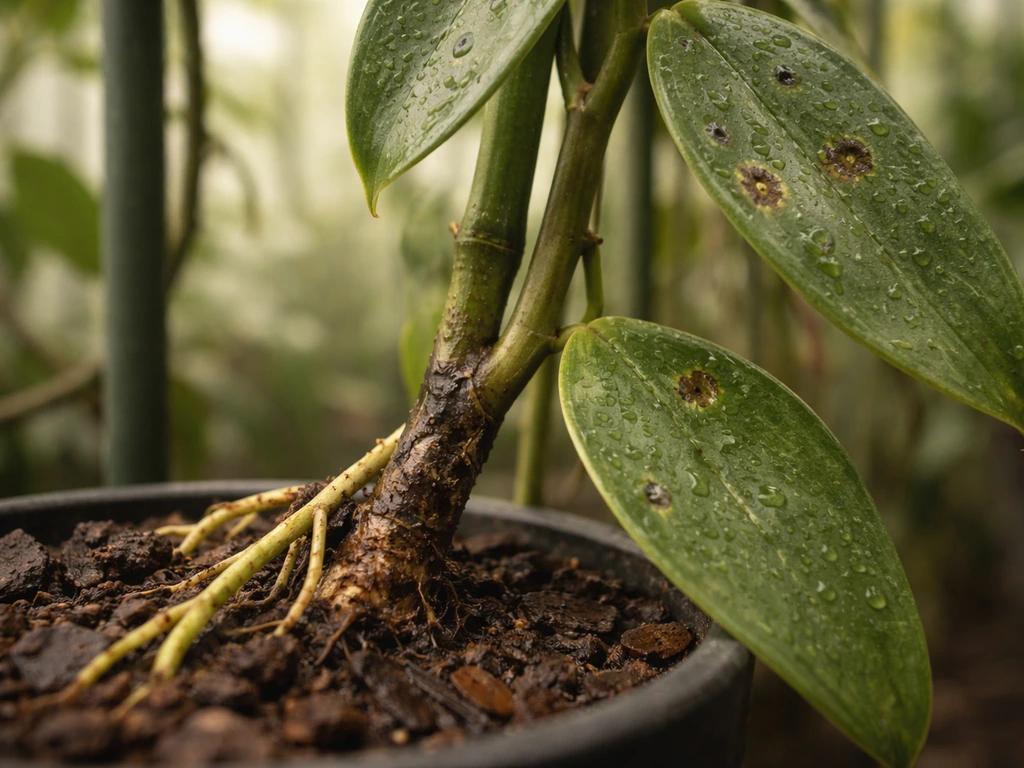
Fusarium oxysporum is the most serious disease risk for vanilla in high-humidity growing environments. It causes root and stem rot and can kill an established vine faster than almost anything else. Prevention is entirely about drainage and airflow. Never let the root zone sit in standing water. Make sure your potting medium stays aerated. Keep fans running. If you see dark, water-soaked lesions on the stem near the soil line, act immediately: cut out the affected section, treat the cut with a fungicide, and repot into fresh medium.
Other fungal issues and pests
- Anthracnose: shows as dark, sunken leaf spots. Improve airflow and avoid wetting the foliage during evening hours.
- Powdery mildew: more common in lower-humidity swings. Treat with a dilute neem oil spray or appropriate fungicide.
- Viruses: less common but possible through contaminated cutting material. Source cuttings from reputable suppliers to reduce risk.
- Spider mites: thrive in warm, dry pockets. Keep humidity consistent and inspect the undersides of leaves regularly. A neem oil or insecticidal soap spray addresses early infestations.
- Mealybugs and scale: common greenhouse pests on orchid family plants. Use isopropyl alcohol on a cotton swab for spot treatment or insecticidal soap for broader coverage.
- Slugs and snails: can become an issue in very humid greenhouse floors. Use physical barriers or iron phosphate baits.
Winter and overwintering
The key to overwintering vanilla in a northern US greenhouse is temperature stability above 60°F at night, every night. A single cold snap to 45°F can set the plant back significantly. Reduce watering in winter (not eliminate it, just reduce frequency) as growth slows and overwatering becomes a bigger risk when the plant isn't actively growing. Keep the heater thermostat reliable and have a backup heat source for power outages if you're somewhere with harsh winters. Vanilla doesn't go fully dormant the way many temperate plants do, so it still needs light, warmth, and moderate humidity through the cold months.
How realistic is this across different US regions?
A greenhouse changes the math dramatically, but it doesn't make every location equally practical. Yes, the same greenhouse temperature, humidity, and light targets apply if you’re wondering can you grow vanilla beans in Australia. If you're in California, you can still make vanilla beans work by recreating warm nights, high humidity, and filtered light in a properly heated greenhouse. Here's an honest breakdown by region. In Arizona, that means a heated, humidified greenhouse with careful temperature stability and hand-pollination to produce pods can you grow vanilla beans in arizona.
| Region / State Examples | Outdoor Feasibility | Greenhouse Feasibility | Main Challenges |
|---|---|---|---|
| South Florida (Zones 10b-11) | High — best US outdoor option | Excellent — minimal heating needed | Hand-pollination, disease management |
| Central/North Florida, Gulf Coast | Marginal — occasional frost risk | Very good — modest heating needed | Winter cold snaps, humidity control |
| Texas (Central/North) | Low — frost and heat extremes | Good with full climate control | Heating in winter, cooling in summer |
| California (Southern/Central Valley) | Low to marginal outdoors | Good — mild winters reduce heating load | Humidity too low outdoors; greenhouse humidity management needed |
| Arizona / Desert Southwest | Very low outdoors | Possible with significant HVAC investment | Extreme heat in summer, very low ambient humidity |
| Pacific Northwest, Mountain West | Not feasible outdoors | Possible but heating costs are high | Cold winters, low light in winter months |
| Midwest, Northeast, Great Plains | Not feasible outdoors | Possible with well-insulated heated greenhouse | High heating costs, supplemental lighting needed in winter |
South Florida is the only part of the US where vanilla can be grown outdoors reliably, and it's where UF/IFAS has done serious research into vanilla as a commercial crop. If you're in Texas, California, or Arizona, the greenhouse approach is the realistic path, and growers in those states have had success with dedicated setups. The further north you go, the higher the energy and infrastructure investment climbs, but the biology doesn't change: give vanilla the right temperature, humidity, filtered light, and support structure, and it will grow and eventually flower anywhere.
The bottom line is that growing vanilla in a US greenhouse is genuinely feasible, not just theoretically possible. It's a multi-year commitment: figure 2 to 4 years to first flowers, then 8 to 9 months per pod after successful pollination. The infrastructure isn't cheap, and the daily hand-pollination during bloom season is a real labor commitment. But for a grower who wants to see this through, a properly heated, humidified, and ventilated greenhouse makes it achievable well outside vanilla's natural tropical range.
FAQ
If my greenhouse isn’t heated all winter, can I still grow vanilla successfully?
You can, but you need a truly warm microclimate. If night temperatures in your greenhouse realistically stay above 60°F and you can maintain about 75 to 80% humidity with active humidification, vanilla can be feasible even in non-tropical climates. If your greenhouse regularly dips below 50°F, growth slows hard and you may lose vines over winter.
Do vanilla vines do better in containers or in raised greenhouse beds?
Yes, but choose your system based on how you’ll control humidity and avoid root-zone wetness. Containers are easier for inspection and quick medium changes, but you must keep drainage excellent and avoid recurring waterlogged conditions. Beds can buffer moisture, yet they still need aeration and airflow, or you increase risk of rot.
What’s the right way to add airflow without drying out the greenhouse?
Use fans to create gentle, moving air across the plant, not a direct blast that cools foliage. A common approach is oscillating fans near the canopy level plus steady ventilation that exchanges air without drying the greenhouse too fast. If you place fans only at the floor, humidity can stay trapped near the vines’ flowering zone.
Can I just use full sun or remove shade cloth to get more beans faster?
No. Vanilla is sensitive to direct high-intensity sun, especially through glass where light can spike. If leaves scorch or curl after you increase light, back off shade cloth coverage or adjust the position of shade so you maintain bright filtered light year-round.
Can I grow vanilla from seed in a greenhouse, or is it only from cuttings?
Not reliably. Vanilla is started from cuttings because seed-grown plants are far slower and less practical for most growers. If you do try seed, expect years longer before you see flowering and be prepared for extra skill in seedling nutrition and moisture control.
How do I know when a vanilla flower is ready to pollinate?
Yes, hand-pollination timing matters. Typically, flowers open and must be pollinated during their receptive window. If you pollinate late, the flower may fail even if you used fresh pollen. A good workflow is to inspect vines at least daily during bloom season.
If I harvest at the right stage, do I get usable vanilla beans right away?
You still need both curing and drying after harvest. The green pod is not the aromatic “vanilla bean” you expect until it’s cured (the process creates flavor compounds and removes excess moisture). Skipping proper curing usually results in bland or underdeveloped flavor.
What happens if my humidity falls below 75% during winter?
A significant humidity drop can reduce successful pollination and pod set, so plan for winter maintenance. When heating runs constantly, relative humidity often drops, so keep a humidistat-controlled humidifier running and monitor with a digital hygrometer, then fine-tune settings during cold months.
How much backup heating do I really need to protect vanilla from cold snaps?
A heater that can hold steady night temperatures is essential, but you should also design for resilience. Use a thermostat with a proven minimum setpoint, insulate the greenhouse well, and consider a backup heat source for outages. One cold snap can set flowering back even if the plant survives.
What are the most common mistakes that lead to Fusarium rot in vanilla greenhouse grows?
Fusarium and other rot issues often come from repeated wetness plus insufficient air exchange. The practical prevention steps are to use a free-draining, aerated mix, never let pots sit in runoff, keep fans running, and remove any severely affected tissue quickly so the problem does not spread.
How should I fertilize vanilla to support pods without increasing disease risk?
Not exactly. You generally don’t fertilize like a high-feeder crop, because the goal is steady growth without pushing weak, overly lush tissue that can be disease-prone. If you fertilize, do it lightly and consistently, and prioritize balanced nutrients plus proper pH (about 6.0 to 7.5) so you don’t lock out uptake.
Next Articles
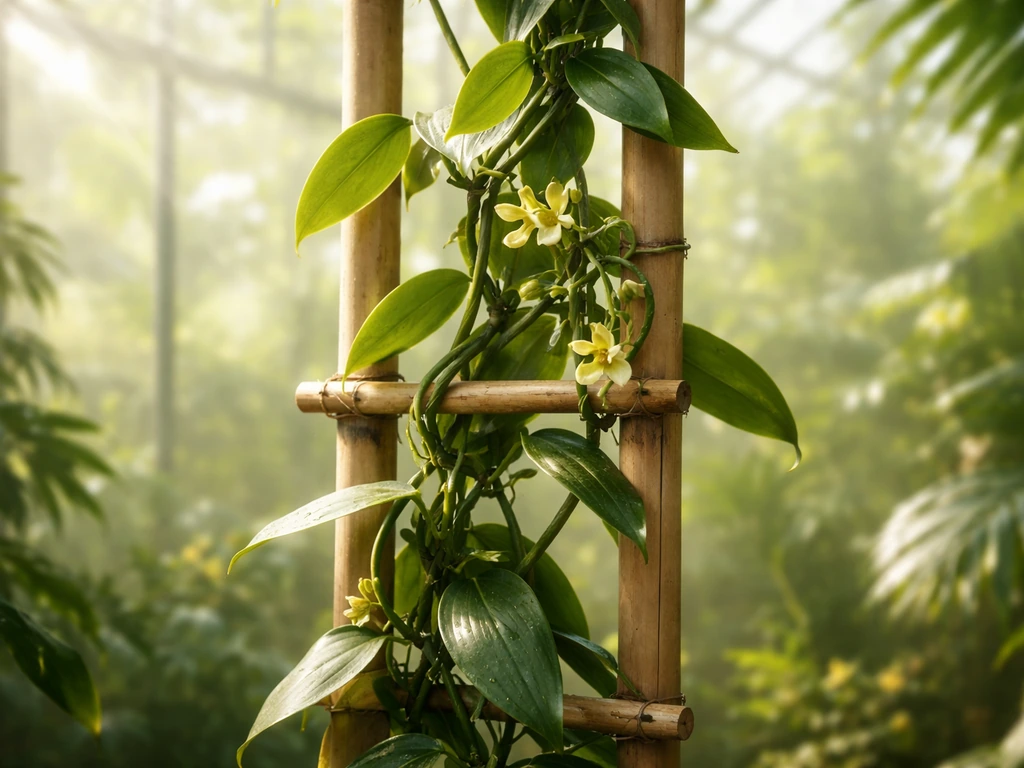
Can You Grow Vanilla Beans in California? How to Start
Learn if you can grow vanilla beans in California and how to meet tropical warmth, humidity, and pollination needs.
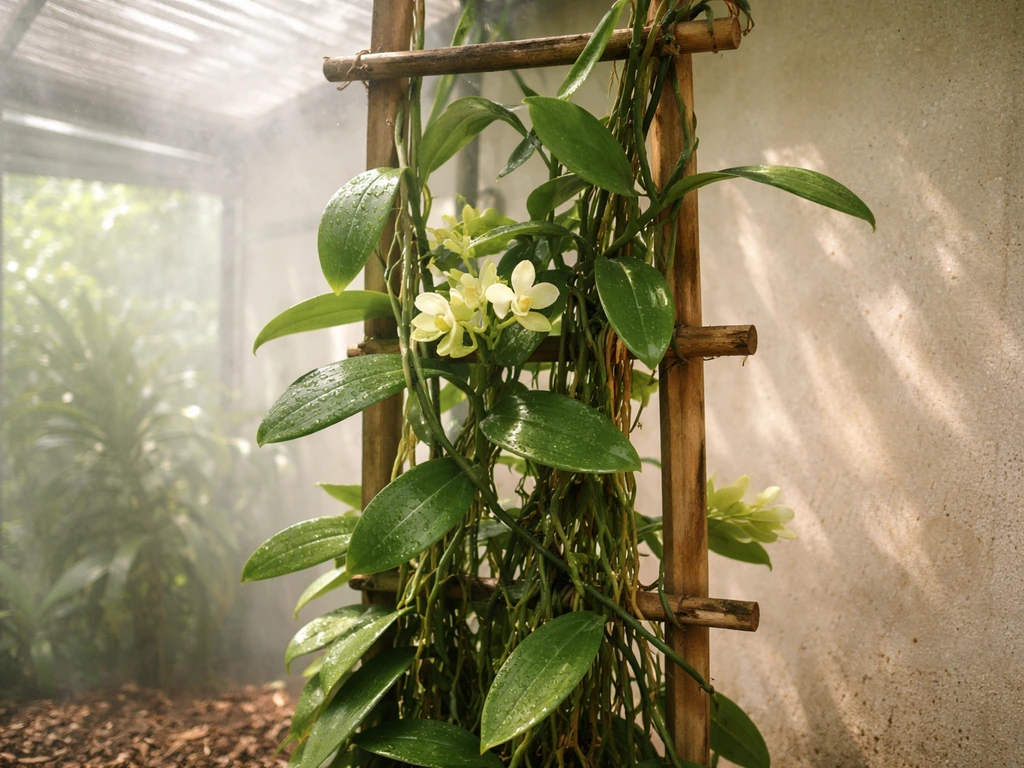
Can You Grow Vanilla Beans in Texas? How to Succeed
Learn if you can grow vanilla beans in Texas and follow step-by-step for orchid care, hand pollination, and curing.
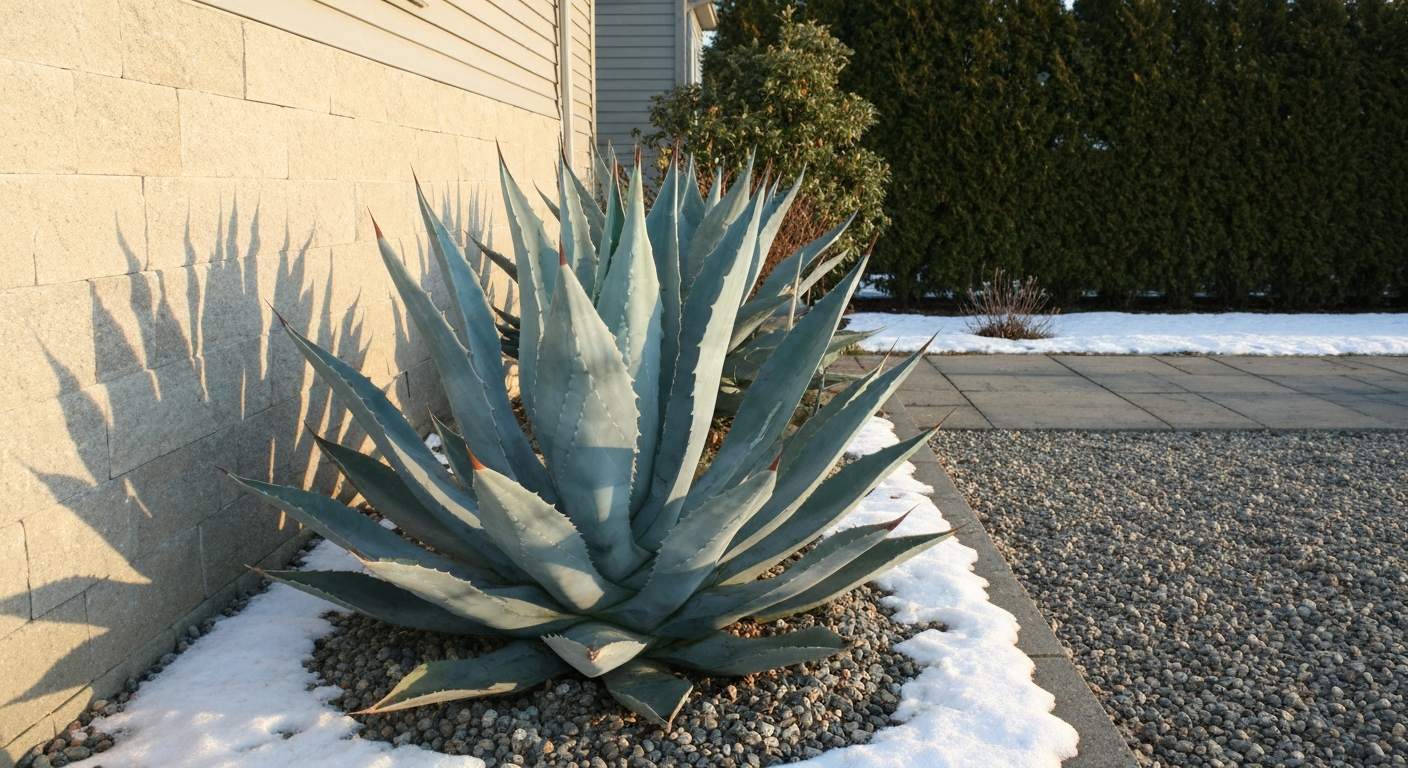
Can You Grow Agave in Canada? Zone Guide & Growing Tips
Can you grow agave in Canada? Practical region-by-region guide, hardy species, container tips & winter care.