
Yes, you can grow date palms in California, and in the right parts of the state you can actually harvest fruit. The Coachella Valley is the heart of U.S. date production, supplying around 95% of the country's crop from more than 9,000 acres of palms producing over 60 million pounds of fruit per year. Outside of the desert interior, growing dates gets harder, but it is still doable for ornamental use and even light fruit production in warm inland valleys. Coastal California and most of Northern California are a different story: the climate simply does not deliver the sustained heat dates need to ripen fruit.
Can You Grow Dates in California? How to Succeed
Marcus Holloway
1 Jun 2026
What date palms actually need to survive and fruit
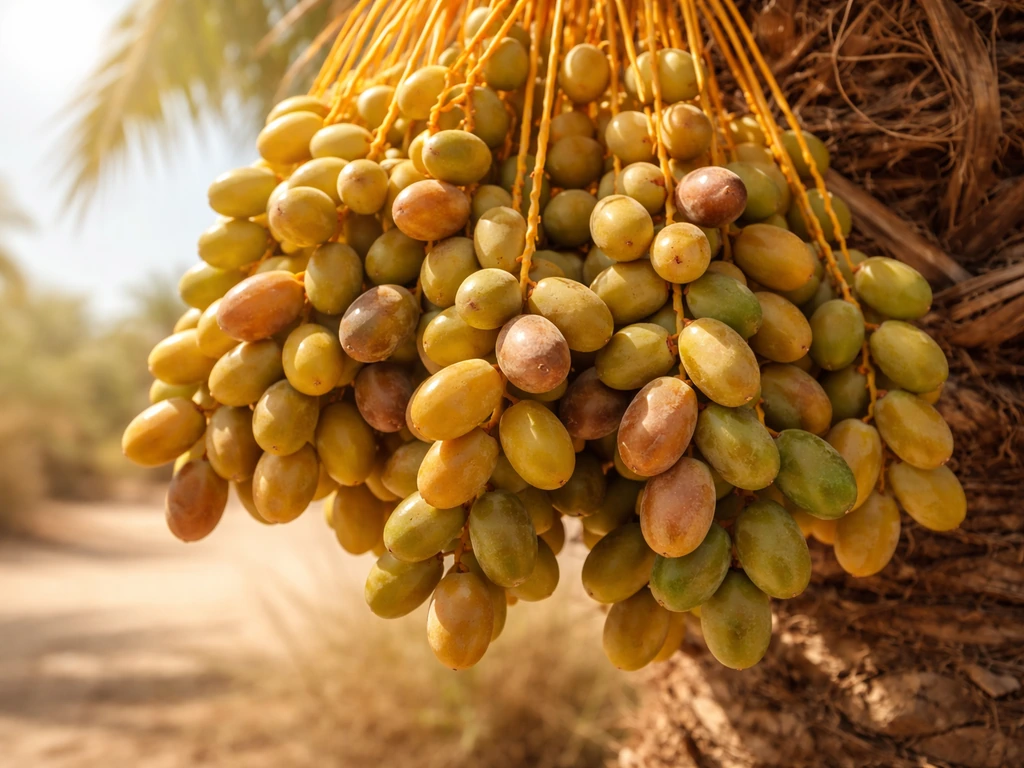
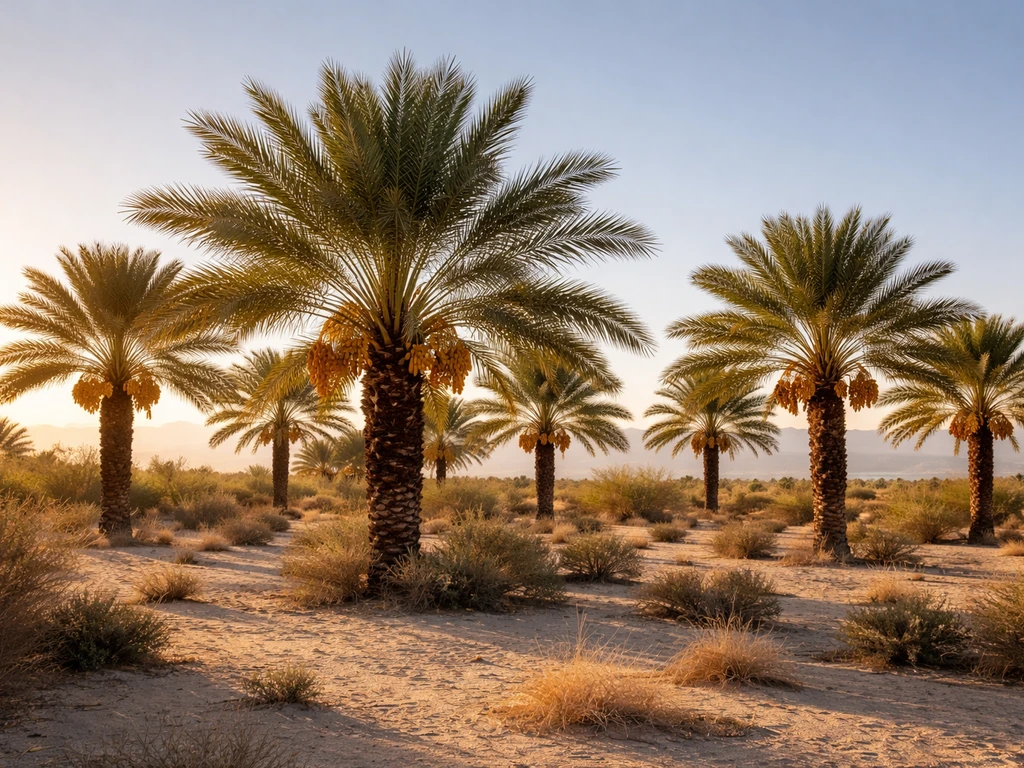
Date palms (Phoenix dactylifera) are desert plants evolved for extreme heat and very low humidity during ripening. Vegetative growth slows and stops when temperatures drop below about 50°F (10°C). Flowering requires shade temperatures consistently above 64°F (18°C). Fruiting and proper ripening only happen when temperatures are reliably above 77°F (25°C) for an extended summer season. blank" rel="noopener noreferrer">Coachella Valley summers hit 104°F to 112°F during the day with night lows around 75°F to 86°F, which is why dates thrive there commercially. Miss that sustained summer heat window and your palm may grow just fine but never ripen fruit.
Cold hardiness is a separate concern. Date palms handle brief dips to about 18°F to 20°F without dying, but prolonged cold below 20°F causes serious damage. They grow naturally between 15 and 35 degrees north latitude, and California's diverse climates span both sides of that comfort zone depending on where you are.
Which parts of California can actually work
California is not one climate. Your location within the state determines whether you are trying to grow a fruiting date garden or just a dramatic ornamental palm. Here is an honest breakdown: If you are wondering can you grow dates in Michigan, the short answer is that Michigan rarely provides the sustained heat needed for ripening warm inland valleys.
| California Region | Summer Heat | Fruit Realistic? | Cold Risk |
|---|---|---|---|
| Coachella Valley / Imperial Valley | 104°F–112°F days, 75°F–86°F nights | Yes, commercially viable | Minimal; rare brief cold snaps |
| Inland Empire / San Bernardino Valley | 90°F–105°F summers | Possible with best varieties and timing | Light frost risk in valley floors |
| Central Valley (Fresno / Bakersfield) | 95°F–108°F summers | Possible in hottest spots, variable | Frost risk in winter; fog delays ripening |
| Greater Los Angeles inland areas | 85°F–100°F in hot summers | Marginal; fruit possible in the hottest microclimates | Light frost risk |
| San Diego (inland) | 80°F–100°F summers | Unlikely to ripen fruit most years | Low cold risk but insufficient heat |
| Coastal (LA, San Diego, Bay Area) | 60°F–75°F peak summers | Not realistic for fruit | Minimal cold risk but too cool |
| Northern California (Sacramento area) | 90°F–100°F summers possible | Very marginal; fog and cool nights are problems | Frost risk is real |
The honest truth is that if you live within a few miles of the coast or anywhere that marine layer regularly rolls in, your goal should be ornamental use. The palms will look beautiful, grow well, and tolerate your climate fine, but fruit ripening requires weeks of dry, triple-digit heat that coastal California just does not deliver. Inland valley growers can absolutely try for fruit with the right microclimate: a south-facing slope or wall, reflected heat from structures, and a site sheltered from coastal breezes all help significantly.
Site, soil, and planting basics
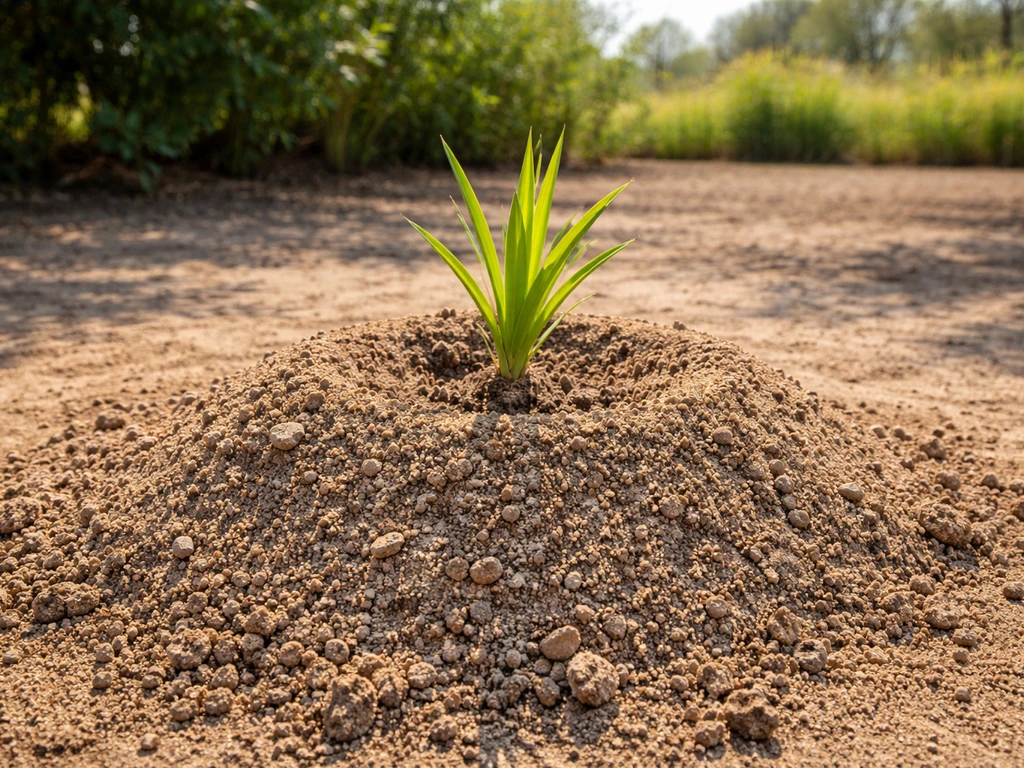
Date palms are not picky about soil chemistry as long as drainage is excellent. They tolerate sandy, alkaline, and even moderately saline soils, which is part of why the Coachella Valley works so well. What they absolutely cannot handle is waterlogged roots. Plant in the best-draining spot in your yard. If your soil is heavy clay, either amend deeply with coarse sand and grit, build a raised planting mound, or skip ground planting altogether in favor of a large container.
Sun exposure is non-negotiable: choose a full-sun location with at least 8 to 10 hours of direct sun daily, ideally south or southwest facing. Reflected heat from a stucco wall or paved surface is a real advantage for inland growers pushing the heat envelope. Planting depth matters too: the growing point (the heart or apical meristem) must never sit below the soil line or be buried under standing water. Plant at the same depth the palm was growing in its container.
Space single palms at least 15 to 20 feet from structures, as mature date palms reach 50 to 80 feet tall in ideal conditions (though garden specimens are typically much shorter over a practical timeline). If planting multiple palms for a home grove, space them 25 to 30 feet apart to allow airflow and canopy development.
Irrigation, fertilizing, and seasonal care
Date palms are heavy water users once mature, but they do not want wet feet. A mature fruiting palm in a hot climate uses roughly 64 to 83 inches of water per year, and one commercial estimate for Coachella Valley puts that at about 54,300 gallons per tree annually. For a home grower, the practical takeaway is: water deeply but infrequently, and let the soil dry out between waterings. Drip or micro-irrigation is the right approach because it delivers water directly to the root zone without keeping the trunk base or heart wet. Flood or overhead irrigation is a setup for root rot and disease.
Newly planted palms need more frequent irrigation until established, typically once or twice per week during hot months in the first year, tapering to deep monthly or bi-weekly waterings once roots are established. In winter, cut back irrigation dramatically. The palms are essentially resting, and excess winter moisture in cold-wet soil is one of the most common ways people kill date palms in California.
For fertilizing, date palms respond well to a balanced palm-specific fertilizer applied in early spring and again in early summer. Look for a slow-release formulation with a roughly 8-2-12 or similar NPK ratio that includes magnesium and manganese, as deficiencies in those micronutrients are common in California's alkaline soils and show up as yellowing or frizzled fronds. Avoid over-fertilizing in fall and winter when the palm is not actively growing.
Cold protection, pests, and common failure points
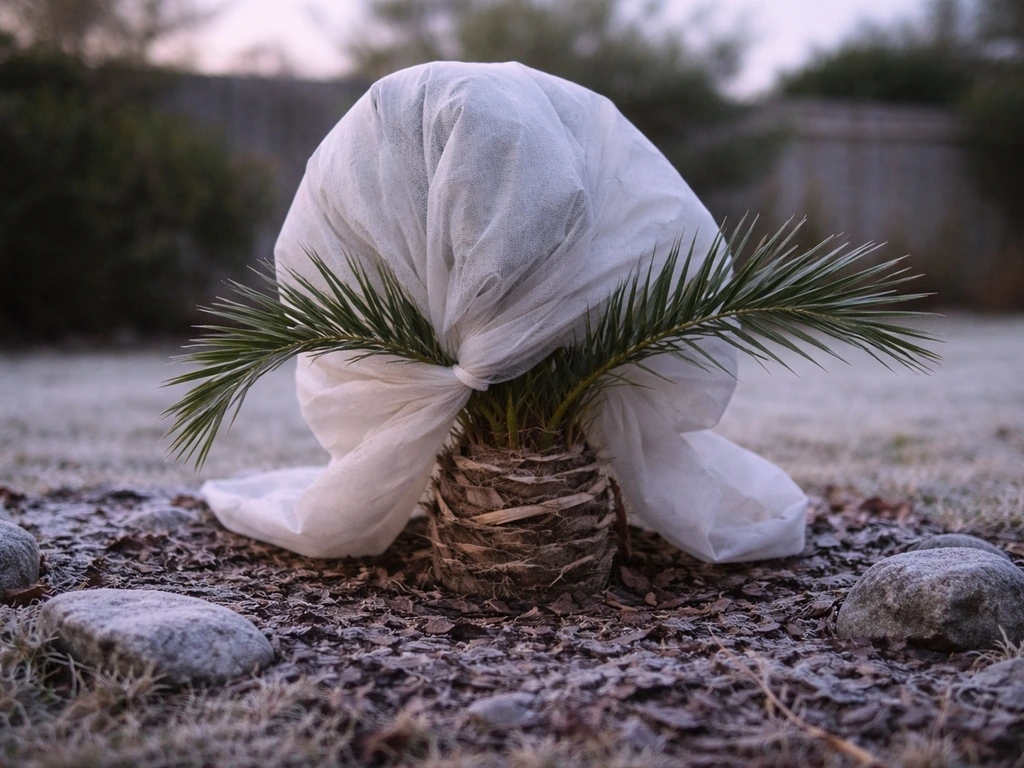
Handling cold snaps
Date palms tolerate brief dips to 18°F to 20°F, but if you are in a valley floor location that gets hard freezes, the growing point is your main concern. Young palms under 4 to 5 feet tall are more vulnerable than established trees because their meristem is still close to the ground. In a cold event, wrap the trunk and heart with frost cloth or burlap, and avoid watering right before a freeze since wet soil chills faster than dry. Do not cut off cold-damaged fronds immediately: they protect the heart until the cold period passes.
Pest and disease risks in California
The South American palm weevil (Rhynchophorus palmarum) is the most serious current threat. It is already established in San Diego County and has killed Canary Island date palms in Orange County (Laguna Beach). UC IPM notes the South American palm weevil (Rhynchophorus palmarum) is well established in Mexico and has spread to at least neighboring San Diego County, where it is killing Canary Island date palms South American palm weevil is already established in San Diego County and has killed Canary Island date palms. The weevil's larvae bore into the palm's core and can kill a tree from the inside before you notice symptoms. If you are growing Phoenix palms within range of San Diego or Orange County, check regularly for soft spots or fermented odors near the crown, and report any suspected infestations to your county agricultural commissioner. There is currently no easy cure once a tree is heavily infested.
Red palm weevil (Rhynchophorus ferrugineus), while not yet established in California as of 2026, was found in Laguna Beach in 2010 and eradication efforts were mounted. Stay current with UC IPM advisories. Beyond weevils, Fusarium wilt has been documented affecting palms in California and can kill through the vascular system. There is no cure for infected trees, so buy plants from reputable nurseries with known clean stock and avoid wounding the trunk during planting or maintenance.
The most common failure points
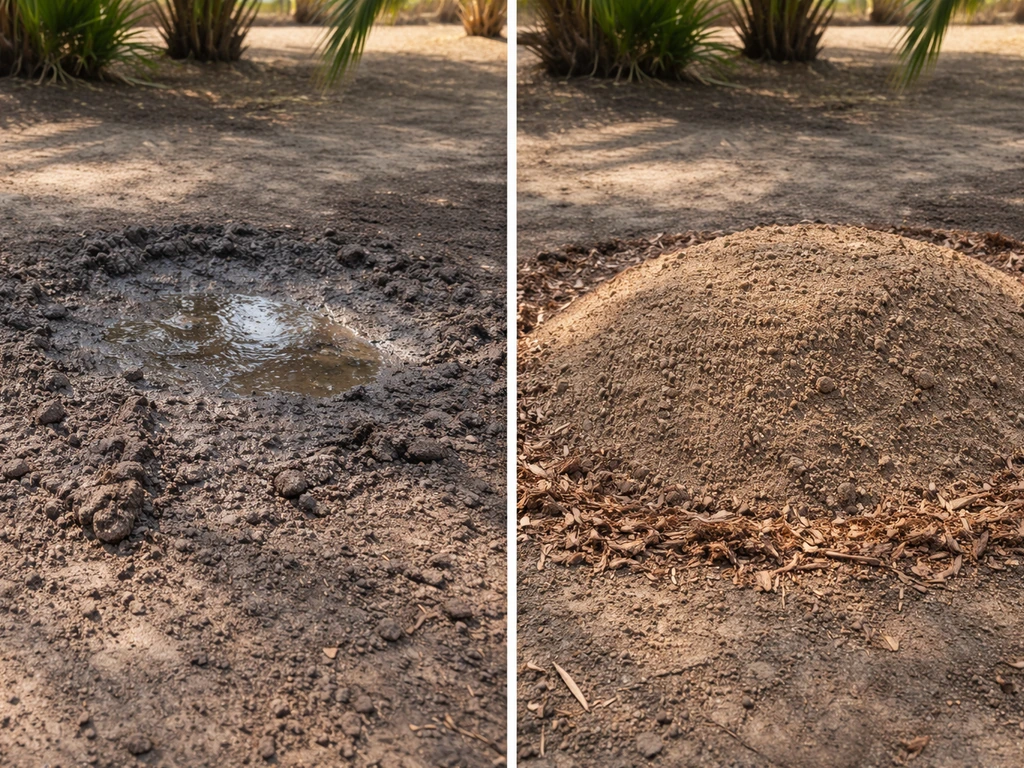
- Overwatering and poor drainage, especially in clay soils: this kills more California date palms than cold does
- Planting in coastal or marine-layer-affected areas and expecting fruit: the heat simply is not there
- Skipping pollination management and wondering why there is no fruit
- Planting from seed (pitted dates) and waiting 10+ years for fruit that may not be from a good variety
- Ignoring palm weevil symptoms until it is too late
Choosing varieties and setting realistic timelines
The variety you choose matters enormously, especially outside the Coachella Valley. Medjool dates are the premium commercial variety and do well in hot inland California climates. Deglet Noor is the workhorse of Coachella Valley commercial production and is slightly more tolerant of humidity and cool nights than Medjool. Zahidi and Barhi varieties are also grown in California and are worth considering for inland areas that are warm but not as extreme as the desert floor.
Buy named-variety offshoots or tissue-culture plants from a reputable palm nursery rather than planting seeds from pitted dates you bought at the grocery store. Seed-grown palms take 10 to 15 years to reach fruit-bearing age, and about half will be male (non-fruiting). A good offshoot from a named female variety can fruit in 3 to 5 years. Tissue culture plants are increasingly available, are true to type, and often establish faster than offshoots. Expect to pay more for quality planting material, but it is worth it given how long you will be tending this palm.
Pollination and actually getting fruit in California
Date palms are dioecious, meaning you need both a male and a female tree to get fruit. One male can pollinate roughly 40 to 50 female trees, so you do not need many males, but you do need at least one. In the Coachella Valley, commercial growers hand-pollinate every season because wind and insect pollination is unreliable and inconsistent. For a home grower, this is straightforward: when your female palm's flower spathe opens, cut fresh pollen-bearing strands from a freshly opened male spathe and pin or place them between the female inflorescence strands. Timing is everything here as the female flowers are receptive for only a short window, usually a few days. Miss it and you miss the year.
If you only have room for one palm or want to start with a single tree, plant a female variety and source fresh pollen from a local date grower, a palm enthusiast group, or a nursery that sells bagged pollen. Some California date farms and nurseries sell or share male pollen specifically for this purpose. Check local agricultural extension resources in Riverside or Imperial County if you are in the Coachella Valley area.
Ground planting vs containers, and your practical next steps
If you are in the Coachella Valley, inland Southern California, or a hot Central Valley location with good drainage, plant in the ground. Pick a named female variety, get a tissue-culture plant or offshoot, set up drip irrigation, and plan for pollination from day one. You are in genuinely viable territory and you should go for it.
If you are in coastal Southern California, the Bay Area, or anywhere in Northern California outside of the hottest inland microclimates, consider a large container (at least 25 to 30 gallons to start, moving to 100+ gallons as the palm grows). Containers let you move the palm to maximize heat exposure in summer and protect it from cold in winter. You probably will not get reliable fruit production, but you will have a striking, well-adapted landscape palm that handles your climate fine. For fruit, you would need to create an exceptional microclimate and even then, most years will disappoint.
Before you plant, walk your yard at different times of day in summer and identify your hottest, most sheltered, and best-draining spot. Check your local frost history: if your zip code sees regular dips below 20°F, protect young palms or rethink ground planting until the tree is established. If you are comparing notes with growers in other warm states, California's desert interior actually rivals conditions found in parts of Arizona and compares favorably to other hot-climate states. Cooler or more humid states face steeper challenges, so if you are in the Coachella Valley or similar inland heat zones, your conditions are genuinely among the best outside of the Middle East for growing dates. In Ohio, you will only be able to grow date palms with exceptional indoor conditions or a highly protected microclimate grow dates.
The bottom line: know your microclimate, buy good named-variety plants, set up drip irrigation, plan for hand pollination, and be patient. In Texas, you would still need a reliably hot, dry microclimate, plus full-sun exposure and careful water management to even have a shot at fruit know your microclimate. A well-sited date palm in the right California location is one of the most rewarding specialty crops you can grow.
FAQ
Can you grow date palms in California if you only get winter lows around 30°F and occasional light frost?
Yes for ornamental growth, but fruit is unlikely unless you have sustained summer heat. If you plant in-ground, focus on protecting the heart (growing point) for young palms, since they are closer to the ground and more vulnerable than mature trees. Use frost cloth on the trunk and keep winter irrigation minimal, because cold-wet soil is a common cause of failure.
What’s the simplest way to tell if my inland yard has the heat dates need?
Do a “day and night” reality check. Walk the site in peak summer afternoons and also observe how warm it stays after sunset, sheltered spots near stucco walls and south-facing slopes usually hold heat longer. If your area frequently cools off quickly at night or marine air intrudes, treat fruit goals as low probability even if daytime temperatures look hot.
Do I need to hand-pollinate for home-grown dates in California?
For reliable fruit set, plan on hand-pollination unless you live in a very proven microclimate and you already have a male nearby. Date flowers are only receptive for a short window, usually a few days, and timing matters more than technique. Keep cut pollen fresh and coordinate it with when the female spathe opens.
If I buy a “named” date palm, will it fruit in my yard within a few years?
Often sooner than seed-grown palms, but you still need the right conditions and the correct sex. Offshoots or tissue-culture plants from named female varieties can reach fruit-bearing age in roughly 3 to 5 years under good heat and care, while seed-grown trees can take 10 to 15 years and about half may be male.
Can I grow dates from pits I bought at the grocery store in California?
You can grow a palm from pits, but it is not a good route for fruit. Seed-grown palms take much longer, they will not be true to the variety you ate, and a large portion will be male. If your goal is fruit, start with a named female offshoot or tissue-culture plant and plan for a male pollen source.
What soil problem kills date palms most often in California gardens?
Waterlogged roots. Even though the trees tolerate sandy, alkaline, and moderately saline soil, they cannot tolerate soggy conditions. If your yard has heavy clay or you get winter pooling, use a raised mound or a large container instead of ground planting, and rely on drip to control wetting at the root zone.
How much water should I give a newly planted date palm versus a mature one?
Newly planted palms usually need more frequent deep watering until established, often once or twice per week during hot weather in the first year. After establishment, shift to deep but infrequent irrigation, letting the soil dry between waterings. In winter, cut back sharply, since cold wet soil can damage the palm even if summer irrigation seems fine.
Do containers really improve your chances of getting fruit in coastal or Northern California?
Containers can help manage temperature exposure and cold protection, but they do not replace the need for weeks of dry heat to ripen fruit. If your site does not naturally deliver long hot summers, even a container may produce mostly ornamental growth with inconsistent or disappointing fruit.
How do I avoid burying the growing point when planting a date palm in California soil?
Match the depth the palm was growing in its container and keep the heart apical meristem at or just at the soil line. Do not bury it deeper during transplanting, and avoid creating a basin that collects water at the base. If water tends to pool after irrigation, you need better drainage rather than planting deeper.
What are the early signs of South American palm weevil or similar crown infestations?
Look for soft spots near the crown, unusual odors (sometimes described as fermented), and gradual decline without obvious drought stress. Because larvae bore into the core, symptoms can be subtle at first. If you are in or near San Diego or Orange County range, inspect regularly and involve your county agricultural commissioner if you suspect an infestation.
I don’t know which variety to choose for inland California. Is Medjool or Deglet Noor better?
Medjool is a strong choice for hot inland climates, while Deglet Noor is closely associated with Coachella Valley conditions and has slightly better tolerance of humidity and cooler nights. If your inland area is warm but not as extreme as desert floor heat, varieties like Zahidi or Barhi may fit better, but your microclimate will still drive whether fruit ripens.
How many male palms do I need if I want fruit from a small home grove?
A single male can pollinate many females, roughly 40 to 50 depending on setup and timing. For most home growers, the key is synchronizing the flowering window and using fresh pollen. If you only have space for one palm, choose a female and plan a reliable pollen source rather than hoping wind or insects do the work.
Next Articles
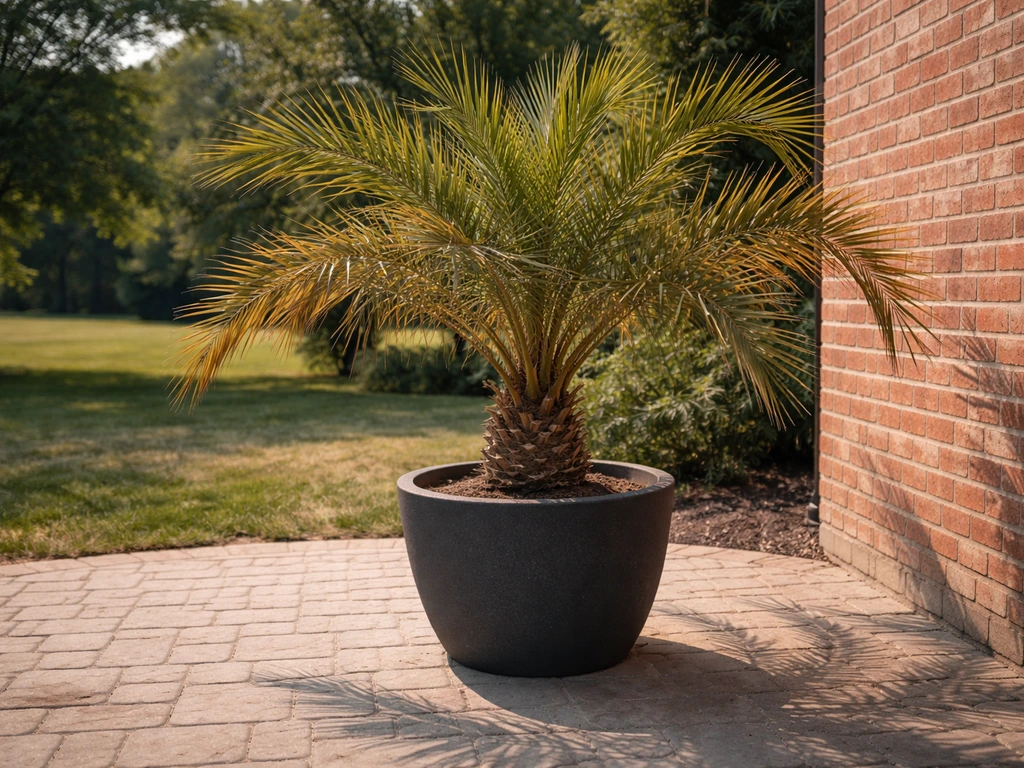
Can You Grow Dates in Ohio? Realistic Steps for Palms
See if you can grow date palms and edible dates in Ohio, with container plans, overwintering steps, and realistic fruit
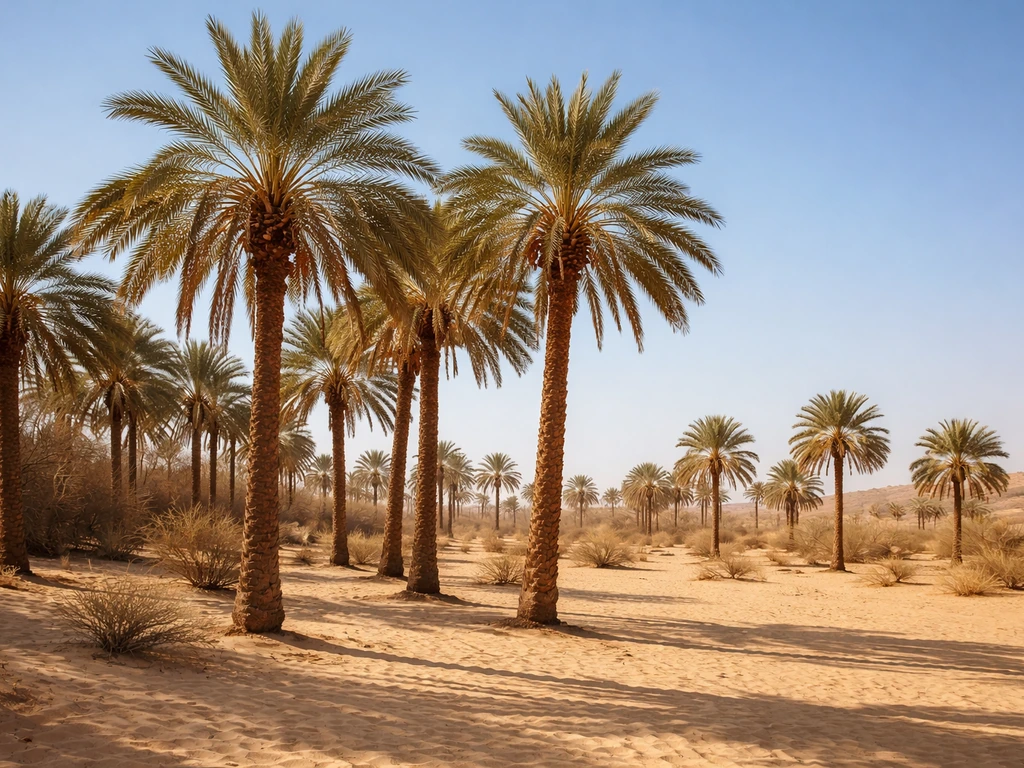
Where Can You Grow Dates in the US State by State Guide
State by state guide on where dates can grow in the US, covering climate needs, pollination, and cold protection.
Can You Grow Dates in Texas? How to Grow Date Palms
Can you grow date palms in Texas? Learn which zones work, ideal planting and winter care, plus time to fruit.