
You can grow a date palm in Michigan, but getting it to actually produce edible dates outdoors is a different story. For Michigan cold-season planning, the NWS also publishes average “date of first temperature below 32°F (first frost)” climatology pages by area You can grow a date palm in Michigan, but getting it to actually produce edible dates outdoors is a different story.. The honest answer is: date palms can survive Michigan winters with serious protection or container management, but ripening fruit reliably requires more heat and sun than Michigan summers consistently deliver. For most Michigan growers, date palms are a fascinating container or greenhouse project, not a fruiting orchard crop.
Can You Grow Dates in Michigan? Realistic Options and Steps
Marcus Holloway
10 Jun 2026
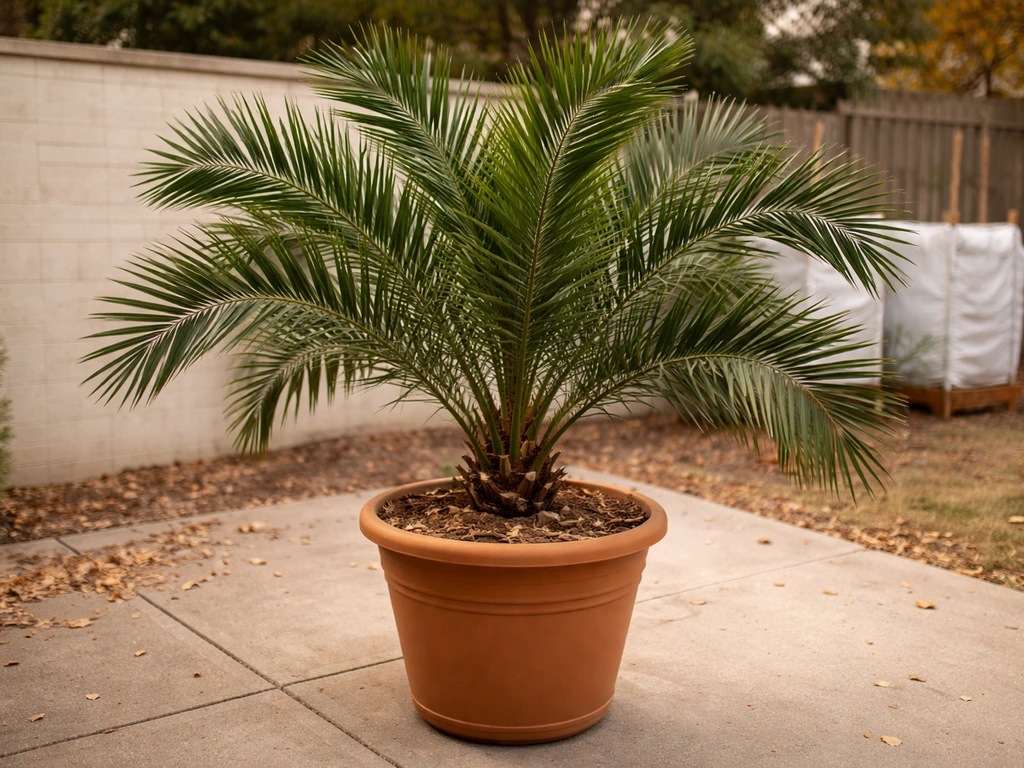
What Michigan's climate actually means for date palms
Michigan spans USDA hardiness zones 5a through 6b, depending on where you live. The Lower Peninsula's southwest corner, warmed by Lake Michigan, sits in zone 6b with average annual extreme minimums around 0 to 5°F. The Upper Peninsula drops to zone 5a, hitting -15 to -20°F in bad winters. Most of the state falls somewhere in the 5b to 6a range, with average annual extreme lows between -10 and 0°F.
Phoenix dactylifera, the true date palm that produces the dates you eat, is generally rated cold-hardy down to about 15 to 18°F in a dry, sheltered situation. That sounds like it might work in Michigan's warmest pockets, but two things complicate it. First, Michigan winters are wet, and wet cold is harder on palms than dry cold. Second, the USDA zone map measures average annual extreme lows, not worst-case years. A zone 6b Michigan garden can still see 0°F during a bad February, which pushes well below what a date palm can survive unprotected outdoors.
Then there's the fruiting problem, which is actually bigger than the winter problem. Date palms only flower when temperatures consistently top 64°F (18°C), and fruit development requires sustained heat above 77°F (25°C). Vegetative growth stalls entirely below 50°F (10°C). Michigan summers can hit those thresholds, but the season is short, humidity is higher than dates prefer, and the long ripening window that dates need (often 6 to 7 months of continuous heat after pollination) just isn't available outdoors in Michigan. You can grow a healthy palm. Getting it to ripen a crop is the real stretch.
Which date palms are realistic here
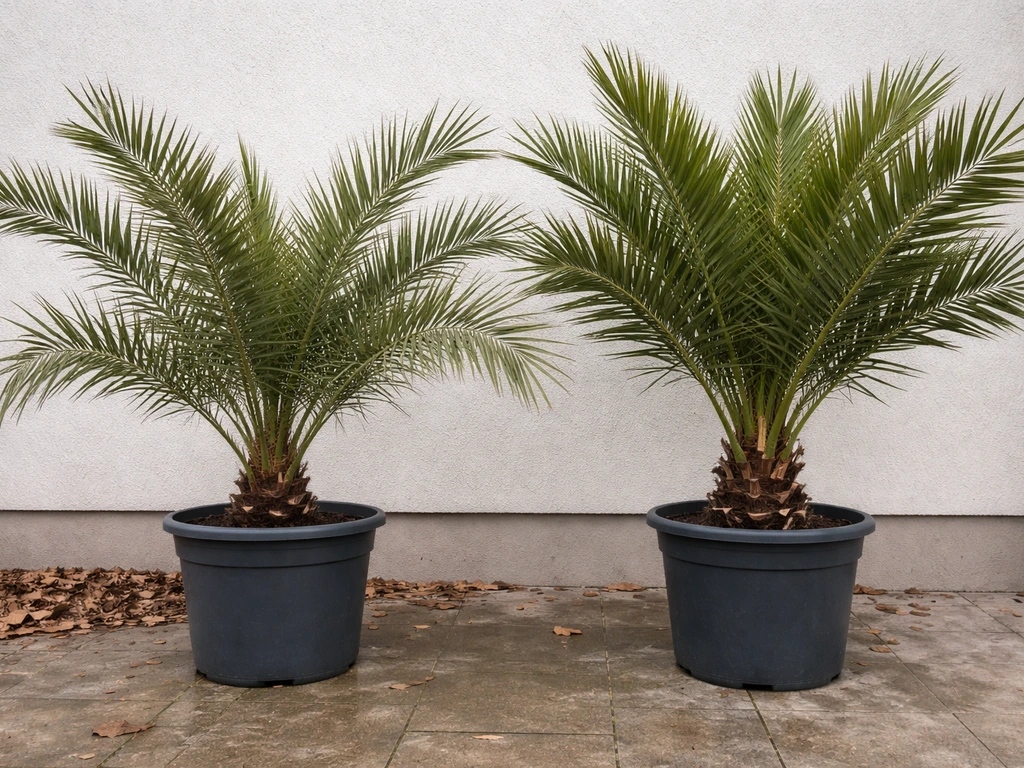
Not all palms sold as 'date palms' behave the same way in cold climates, and it's worth knowing what you're actually working with before you buy.
Phoenix dactylifera (true date palm)
This is the species behind commercial dates like Medjool and Deglet Noor. Cold tolerance tops out around 15 to 18°F in a dry, protected situation. In Michigan, this palm requires container growing, a heated greenhouse, or at minimum a deeply sheltered microclimate with aggressive winter wrapping. Even then, fruiting outdoors is unlikely. If you want to try for actual dates, this is the species to grow, but manage expectations accordingly.
Phoenix canariensis (Canary Island date palm)
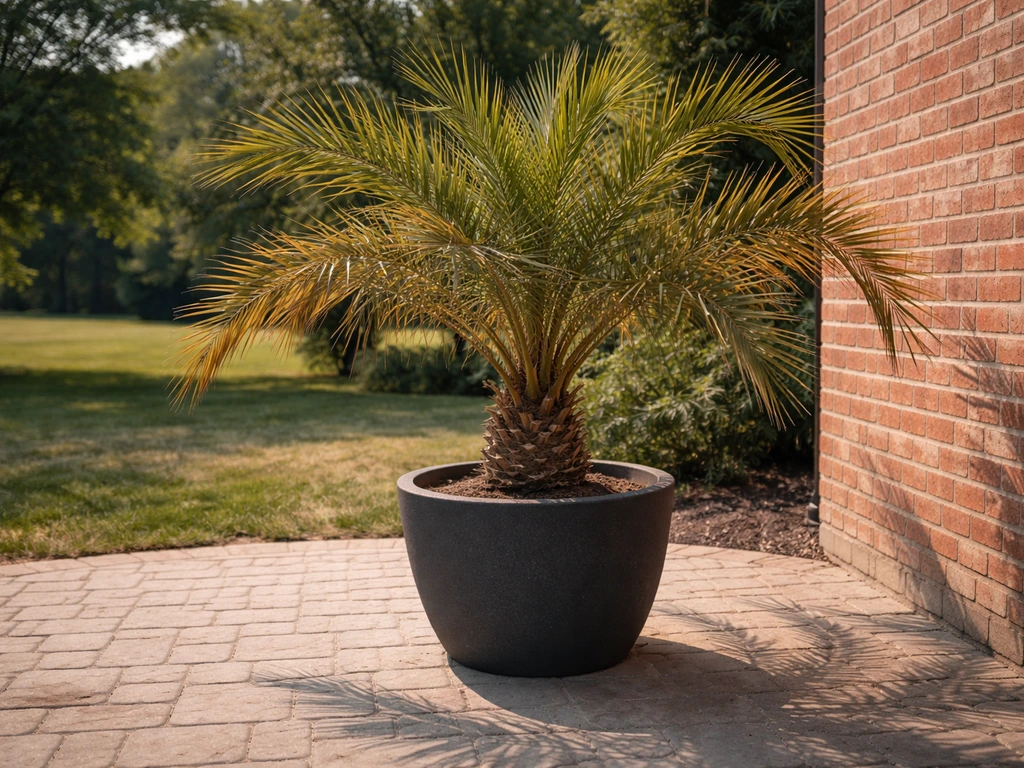
This ornamental relative is slightly hardier, surviving brief dips to around 10 to 15°F. It produces small, barely edible fruit. For Michigan, it's a better candidate for an outdoor container that winters in an attached garage or cool greenhouse. It won't give you edible dates worth the effort, but it's a gorgeous landscape palm for a sheltered patio during summer.
Rhapidophyllum hystrix (needle palm)
Technically not a date palm at all, but worth mentioning because it's often brought up in cold-climate palm conversations. The needle palm is rated to zone 6 or even zone 5 with protection and is genuinely cold-hardy for Michigan. It does not produce edible dates. If your goal is outdoor palm growing in Michigan rather than fruit production, needle palm is your best bet, but it won't satisfy anyone who wants actual dates.
| Species | Cold Hardiness | Edible Dates? | Realistic in Michigan? |
|---|---|---|---|
| Phoenix dactylifera | 15–18°F (dry/sheltered) | Yes | Container/greenhouse only; fruit possible but difficult |
| Phoenix canariensis | 10–15°F (brief exposure) | Barely edible | Container with garage/greenhouse winter storage |
| Rhapidophyllum hystrix | Zone 5–6 (to -5°F) | No | Yes, outdoors with protection; no edible dates |
Planting outdoors, in a greenhouse, or indoors: the real options
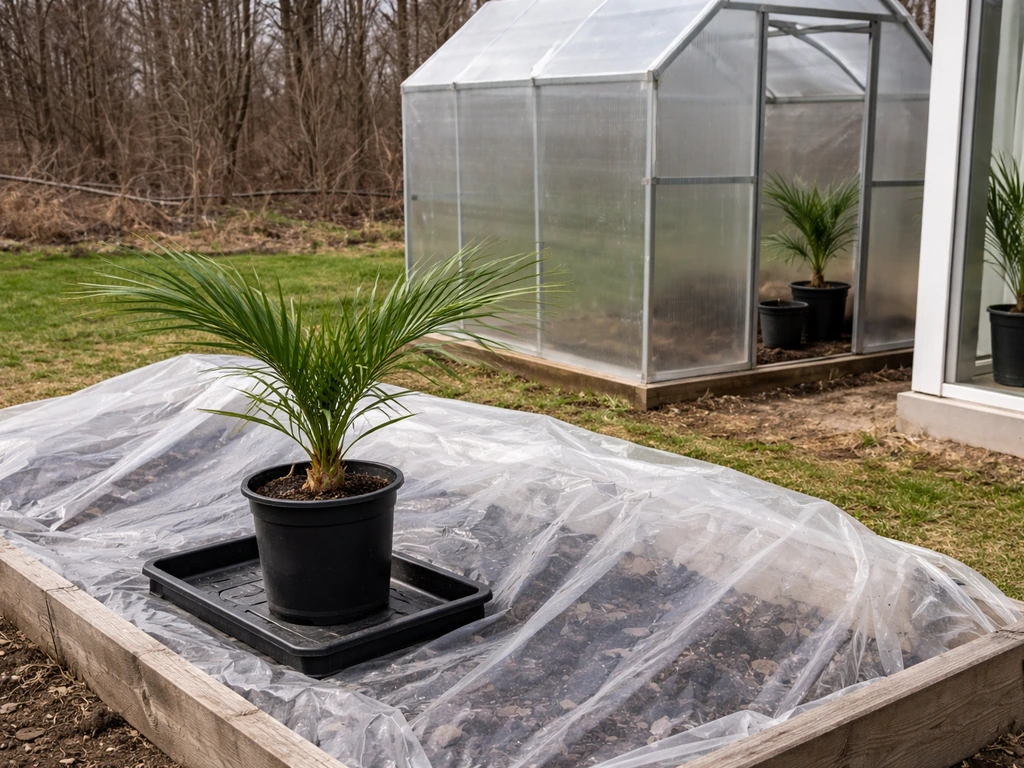
Outdoor planting in Michigan
Planting a true date palm directly in the ground in Michigan is a high-risk move. Even in the warmest spots along Lake Michigan's east coast, you're one bad winter away from losing the plant. If you want to try it, pick the most sheltered south-facing microclimate you have, ideally against a south-facing masonry wall that holds daytime heat, and accept that the palm will need heavy winter protection every single year. Treat it more like an experiment than a permanent planting.
Greenhouse growing
A heated greenhouse is the most reliable path to actually fruiting a date palm in Michigan. You control temperature, humidity, and light. A minimum nighttime temperature of 50°F keeps the palm from going fully dormant and losing vigor. During summer, date palms in a greenhouse can hit the sustained heat they need for fruit development, especially if you vent aggressively to boost temperatures. This setup involves real investment, but it's the closest you'll get to legitimate date production in this climate.
Container growing (summer patio, winter indoors)
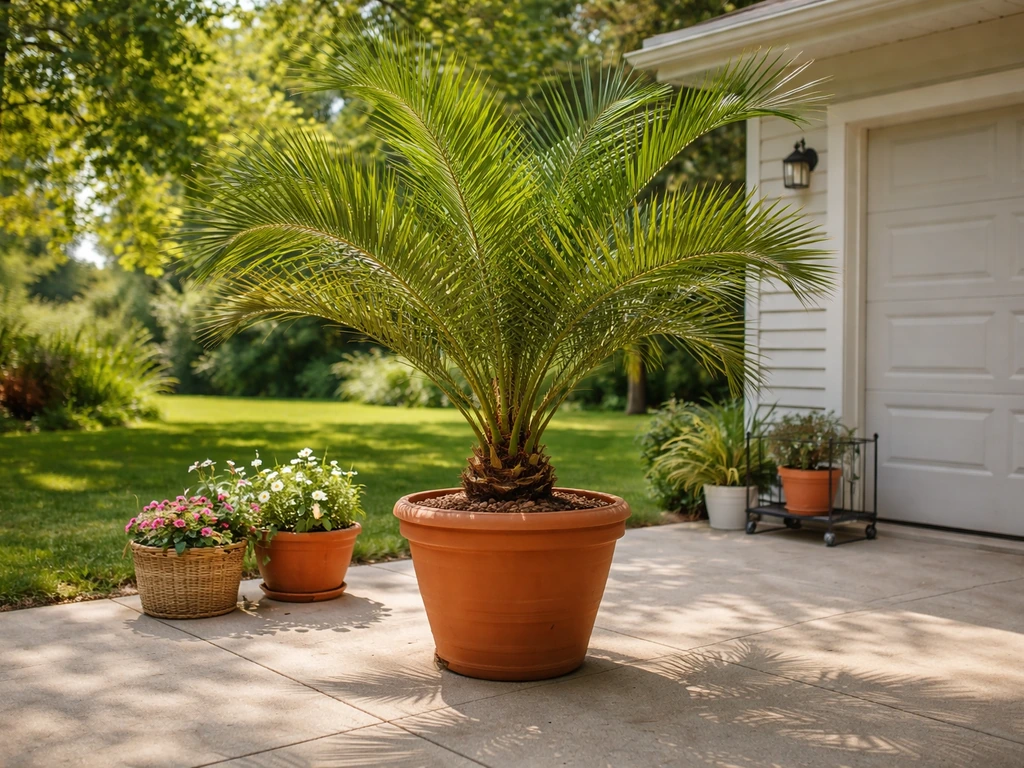
This is the most practical approach for most Michigan home growers. Grow the palm in a large container (25 to 30 gallons minimum for a mature specimen), move it outdoors to full sun from late May through September, then bring it inside before temperatures drop below 25°F. Overwintering indoors works best in a cool, bright room or an unheated but frost-free garage with supplemental grow lights. The palm won't grow much indoors in winter, which is fine. The goal is keeping it alive until the next outdoor season.
Pollination, fruiting timelines, and honest yield expectations
Date palms are dioecious, meaning you need both a male and a female plant to get fruit. In commercial groves, one male pollinates dozens of females. For a Michigan grower with container plants, you ideally want at least one male and one female, though you can hand-pollinate using commercially purchased pollen if you only have a female. Hand pollination is actually the norm even in commercial operations, where pollen is collected from male flowers and dusted directly onto female flower clusters.
Young date palms from seed typically take 4 to 8 years to reach flowering maturity. Offshoot-propagated plants from a known-producing female are a better choice, reaching maturity faster at around 3 to 5 years. Once a female flowers and gets pollinated, fruit development takes roughly 6 to 7 months of continuous warmth to reach the fully ripe, soft stage you'd recognize as an eating date. That timeline is the core challenge in Michigan: even if a greenhouse palm flowers in spring, maintaining the sustained heat needed through fall ripening requires consistent management.
What should you realistically expect? A healthy greenhouse-grown female palm in Michigan can produce fruit, but quality and quantity will vary year to year depending on how well you maintained temperature and light. Khalal-stage dates (crunchy, less sweet, not fully ripe) are more likely than fully ripened Rutab or Tamr stage fruit without consistent heat. That said, Khalal dates are edible and some varieties are specifically consumed at that stage, so it's not a failure, just a different result than buying Medjool dates at the store.
Getting palms through Michigan winters
Winter is the critical period, and how you handle it determines whether you have a palm next spring. The strategy depends entirely on whether your plant is in the ground, in a container, or in a greenhouse.
For in-ground palms
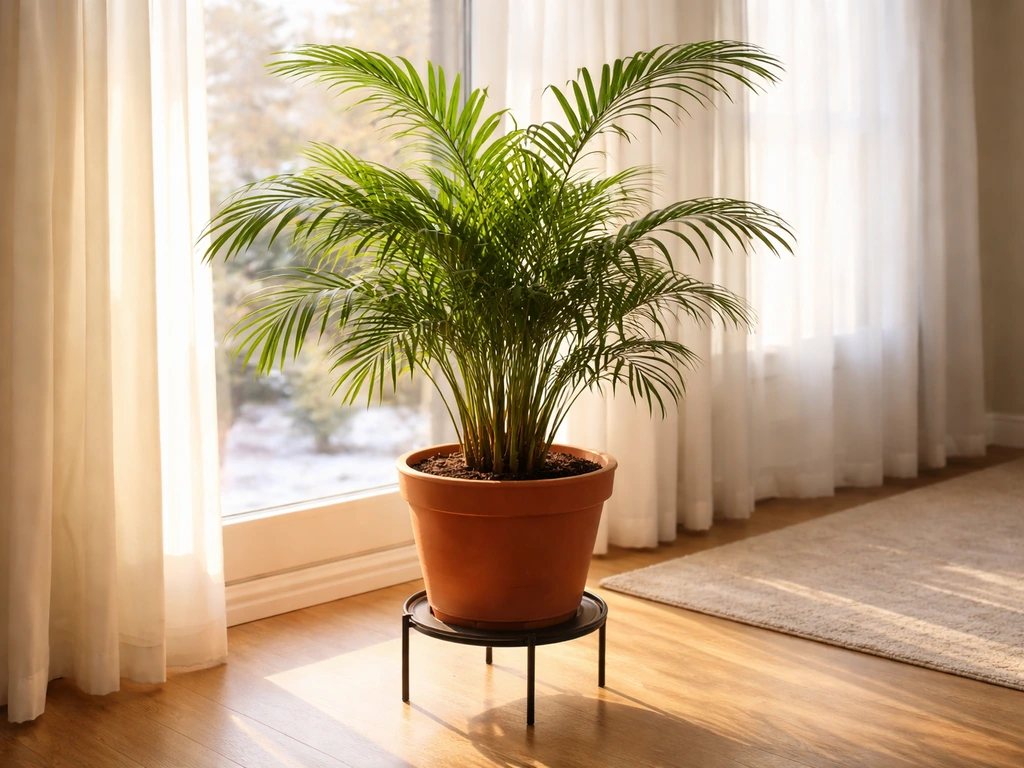
Start winterizing before the first hard frost, which arrives in most of Michigan between late September and late October depending on your region. After a killing frost, bundle the fronds upright around the growing tip and wrap the entire crown with burlap, then a layer of frost cloth rated to at least 15°F. Pack the base with a thick mulch of straw or wood chips, 6 to 12 inches deep, to insulate the root zone. Some growers build a wood frame around the wrapped palm and stuff it with loose insulation for extra protection. Even with all of this, temperatures below 15°F for extended periods can kill the palm, so this approach is inherently risky in Michigan.
For container palms
The easiest strategy: move the container inside before temperatures approach 25°F consistently. A frost-free garage with a south-facing window or supplemental grow lights keeps the palm alive through winter without much effort. Keep watering to a minimum during dormancy, roughly once every 3 to 4 weeks, just enough to prevent the root ball from drying out completely. Resume normal care and move the palm back outside when nighttime temperatures consistently stay above 40°F in late spring.
For greenhouse palms
Keep minimum nighttime temperatures above 45 to 50°F. Below 50°F the palm slows significantly; below 32°F you risk real damage to tender growth. A gas or electric heater with a thermostat set to kick in at 45°F gives you a reliable buffer. Monitor humidity too: Michigan winters are humid, and stagnant wet air in a greenhouse invites fungal issues on palm fronds.
Soil, water, sun, and basic care
Date palms want full, blazing sun. Outdoors, that means at least 8 hours of direct sunlight per day during the growing season. Indoors or in a greenhouse, place the palm as close to the sunniest glazing as possible. Supplemental LED grow lights help significantly if natural light is limited during winter storage.
Soil drainage is non-negotiable. Date palms are native to desert environments where rainfall is scarce and soils are sandy and fast-draining. In containers, use a cactus or palm mix, or make your own with 60% coarse sand or perlite and 40% quality potting soil. For in-ground planting, amend heavy Michigan clay soils heavily with coarse sand and gravel, and build a raised planting mound to ensure roots never sit in water. Standing water is one of the fastest ways to kill a date palm in Michigan's wetter climate.
Watering during the growing season should be deep and infrequent. Water thoroughly, let the soil dry out to about 2 inches deep, then water again. In active Michigan summers, container palms may need watering every 5 to 7 days. Reduce drastically in winter storage. Fertilize during the active growing season (May through August) with a palm-specific fertilizer that includes magnesium and manganese, which are commonly deficient and cause yellowing fronds.
Practical next steps for Michigan growers
Deciding which setup makes sense for you
Before you buy anything, decide what success means to you. If you want to grow a date palm as a dramatic container plant and patio specimen with a realistic shot at occasional fruit, container growing is your approach. If you are wondering can you grow dates in Ohio, the big issue is the same one as Michigan: you will likely need a greenhouse or a highly controlled container setup to get reliable ripening heat. If you're serious about consistent fruiting and have the budget for a greenhouse, go that route. If you just want to experiment with growing a palm outdoors in Michigan's ground, pick your warmest microclimate, understand the risk, and treat it as a trial.
Where to find plants and what to look for
Skip the bare-root seeds or mystery nursery stock if fruiting is your goal. Source plants from specialty palm nurseries or reputable online growers who can verify the species and, ideally, the sex of the plant. A female offtshoot from a known-producing variety (Medjool, Deglet Noor, Barhee) gives you the best shot at fruit. Expect to pay more for a sexed, named-variety offshoot than for an unnamed seedling, but it saves you years of waiting to discover you have a male or a low-producing seedling. Some specialty nurseries in Florida and California ship containerized palms to Michigan in spring.
Running a low-risk trial
Start with one container-grown Phoenix dactylifera in a 15 to 25 gallon pot. Put it in your sunniest outdoor spot from late May through September. Bring it inside before the first frost. See how it handles its first Michigan winter in your specific indoor storage situation. If it comes through healthy in spring, you've proven the basic system works for your setup. Add a second plant (or source a pollinator) in year two. This approach costs you one plant's worth of money and one season's effort before you commit to anything bigger.
What 'success' actually looks like in Michigan
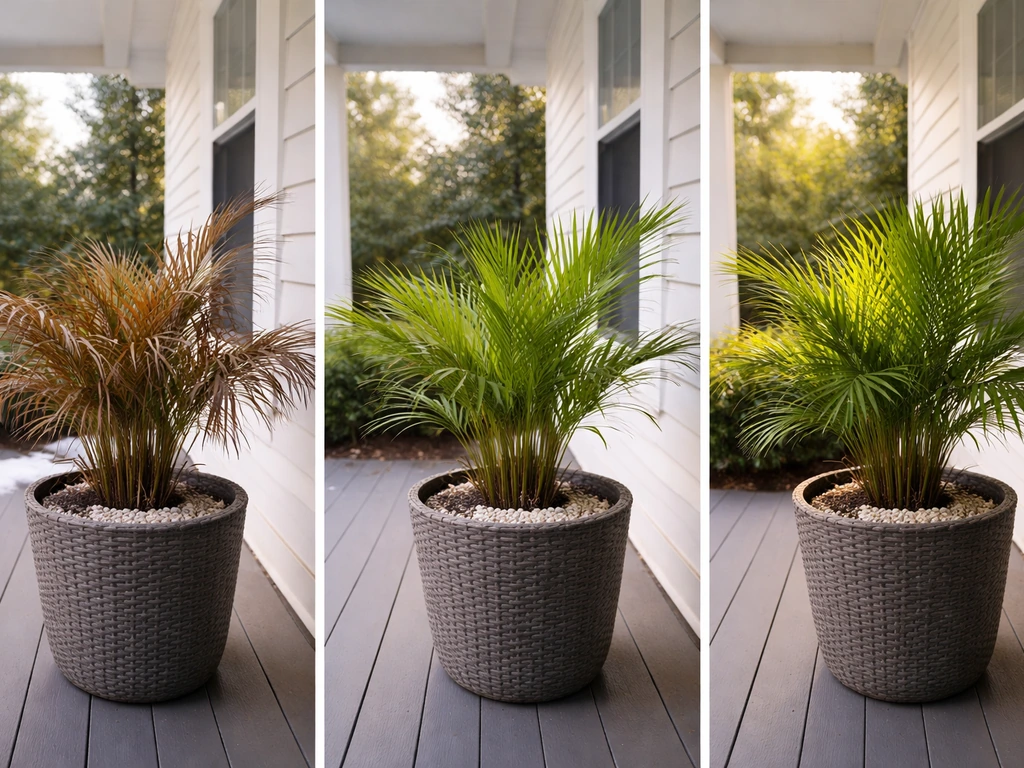
Reframe your expectations in stages. Year one success is a palm that survives winter and pushes new growth in spring. Year three success is a palm that's growing vigorously and hasn't been killed by a bad winter. Year five to eight success, if you're in a greenhouse or have an excellent container system, might mean actual flower spikes and, with good pollination management, a small fruit cluster.
Full-on edible Tamr-stage dates from a Michigan-grown palm are genuinely possible in a well-managed greenhouse but require patience and consistent effort. If you're comparing notes with growers in Texas or California where date palms are grown commercially outdoors, just know that Michigan is a different game entirely. In California, the combination of warm temperatures and long growing seasons makes it much easier to produce edible dates outdoors grow dates in California.
If you are wondering whether you can grow date palms in Ohio for edible dates, the same heat-and-winter protection challenges apply, and success usually requires container growing or greenhouse heat. If you’re wondering specifically about Texas, the long hot season makes outdoor date production far more realistic than in colder states. The challenge here is specifically the cold and the short heat season, which is part of what makes pulling it off so satisfying when it works.
- Year 1 goal: Palm survives winter and leafs out vigorously the following spring
- Year 3 goal: Established root system, healthy frond production, proven winter storage system
- Year 5–8 goal (greenhouse): First flower spikes, attempt hand pollination, evaluate fruit set
- Long-term goal: Consistent small harvests of Khalal or Rutab stage dates from a proven female plant
FAQ
Can you grow dates in Michigan outdoors in the ground if you pick the warmest spot?
You can try, but treat it as an experiment. Even in the warmest microclimates, a single winter with extended cold below the mid-teens Fahrenheit range (especially if the ground stays wet) can kill the crown. If you attempt in-ground, plan for winter protection every year, and avoid any site where meltwater collects.
What’s the easiest way to keep a date palm alive over Michigan winters?
The most reliable method is overwintering in a container indoors or in a frost-free garage before temperatures consistently get near the mid-20s Fahrenheit range. Keep the room bright if possible, water sparingly (enough to prevent total root-ball drying), and stop heavy feeding until the plant resumes real growth in spring.
If my date palm survives winter, will it automatically produce edible dates?
No. Survival usually only proves cold protection worked. Production depends on long, sustained warmth after flowering, plus sufficient sun. In Michigan, many growers end up with earlier-stage fruit (like Khalal) rather than fully ripe dates, even when flowering happens.
Do I need both male and female date palms in Michigan?
For fruit, yes. Date palms are dioecious, so you need at least one male and one female, or you must hand-pollinate. If you buy only one plant, you may discover it is male after years of growth, so try to source sexed plants or be ready to hand-pollinate if you end up with a single female.
How do I hand-pollinate a container date palm?
Time it to when female flowers are receptive and male flowers are producing usable pollen. In practice, growers often collect pollen from male blooms and apply it directly to female flower clusters. Pollination done too early or too late often results in dropped or undeveloped fruit, so watch the flower stage closely rather than using calendar dates.
How long does it take before a date palm in Michigan might flower?
From seed, plan on about 4 to 8 years to reach flowering maturity. Offshoots from a known female can start producing sooner, commonly around 3 to 5 years. That means any “test” in Michigan should be judged over multiple seasons, not just one winter.
What temperatures should I target if I’m trying to fruit in a greenhouse?
Aim for warm, sustained conditions during fruit development, not just brief spikes. Keep minimum nighttime temperatures high enough that the palm does not go fully dormant (the article notes a target around the 50°F range), and manage greenhouse humidity because Michigan winter air can stay wet and promote fungal issues.
Why does my date palm get yellow fronds in winter storage?
Common causes are nutrient imbalance and low light. Date palms can be deficient in magnesium and manganese, and Michigan winters often mean reduced sunlight indoors. If yellowing appears mainly on older fronds during active growth season, consider a palm fertilizer program, but avoid heavy feeding while the plant is truly dormant.
Can I grow a date palm in a large container without a greenhouse?
Yes for survival, and sometimes flowering, but edible-ripening fruit is the hard part. A practical approach is moving outdoors into full sun during the warm months and bringing it inside before sustained cold. Your success will depend on how much continuous heat you can deliver after flowering, not just on summer survival.
What potting mix works best for date palms in Michigan containers?
Use a very fast-draining mix. The key is preventing root-zone waterlogging during cool, humid periods. A cactus or palm mix is a starting point, but many growers succeed by increasing coarse sand or perlite content and ensuring the container has excellent drainage holes.
How often should I water a date palm during Michigan summers versus winter?
During active growth, water deeply, then wait until the top portion of the mix dries before watering again. In winter storage, cut back heavily because growth slows and evaporation drops. Overwatering is a frequent Michigan mistake, especially when indoor or greenhouse air is humid and temperatures are cool.
Can the palm I bought as a “date palm” be the wrong species for edible dates?
Yes. Some palms sold as “date palms” in cold-climate markets are not the true edible date (Phoenix dactylifera), and they may never ripen meaningful fruit in Michigan. Verify the species and, if fruiting matters, buy sexed, named varieties or known female offshoots from a reputable source.
Next Articles
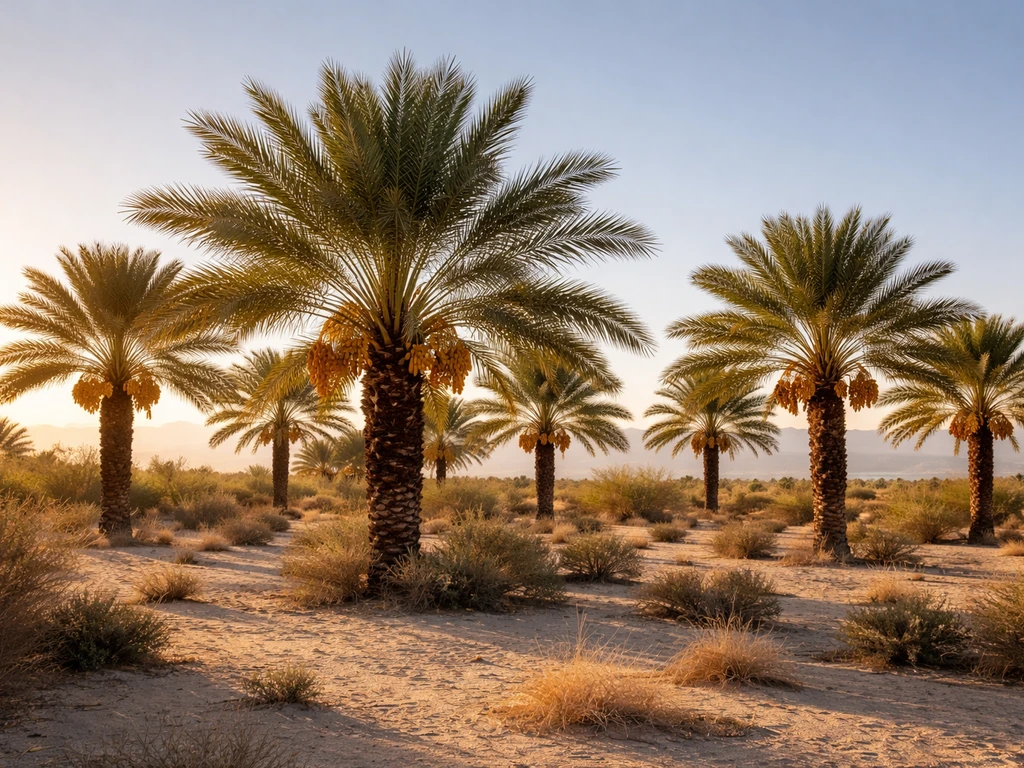
Can You Grow Dates in California? How to Succeed
Learn if you can grow date palms in California and what climate, soil, irrigation, pollination, and steps ensure success
Can You Grow Dates in Ohio? Realistic Steps for Palms
See if you can grow date palms and edible dates in Ohio, with container plans, overwintering steps, and realistic fruit
Where Can You Grow Dates in the US State by State Guide
State by state guide on where dates can grow in the US, covering climate needs, pollination, and cold protection.