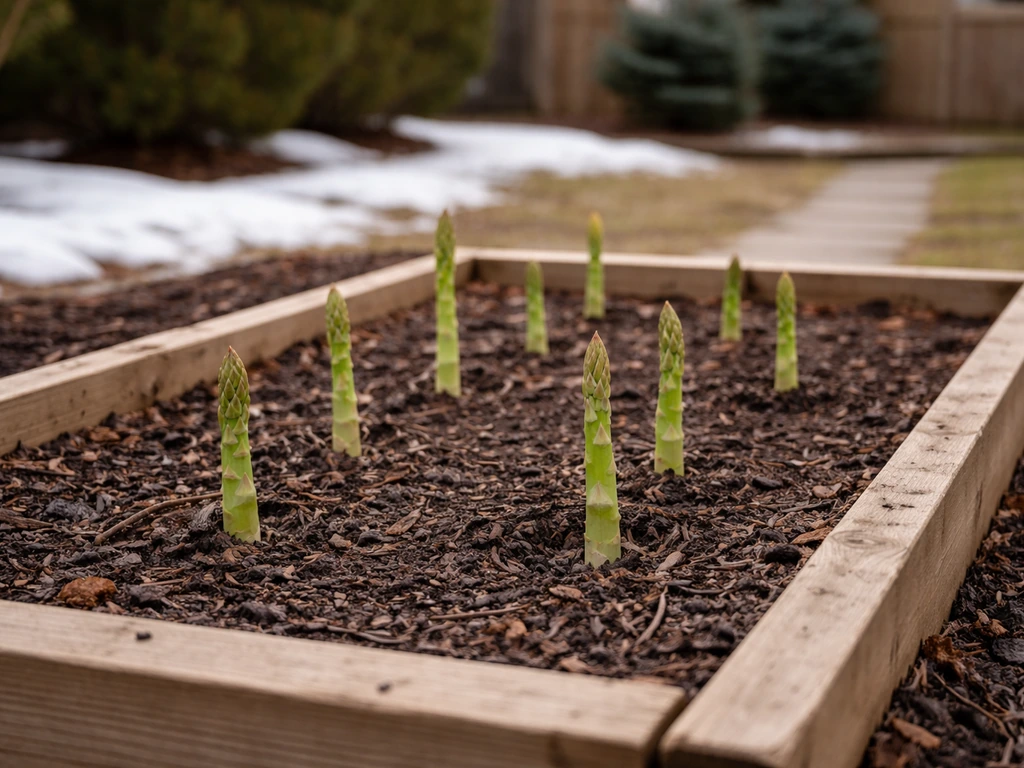
The bigger surprise for a lot of Texas growers is that cold is not always the main obstacle. Heat, low humidity, and a specific palm disease called lethal bronzing are all factors that matter just as much, especially in coastal areas. If you are in the right part of the state and you set things up correctly, harvesting actual edible dates is realistic, not just a dream.
Where in Texas dates have a real chance
Texas spans USDA hardiness zones 6b through 10a, and Phoenix dactylifera sits comfortably in zones 8 through 11. That overlap tells you a lot about which parts of the state are worth serious effort and which are more of a stretch.
| Region | USDA Zone(s) | Winter Low Risk | Fruiting Potential | Main Concern |
|---|
| Rio Grande Valley / Deep South Texas | 9b–10a | Low (rarely dips near 15°F) | High | Lethal bronzing disease |
| Corpus Christi / Coastal Bend | 9a–9b | Moderate | Moderate–High | Lethal bronzing, humidity at ripening |
| San Antonio / Austin / Central Texas | 8b–9a | Moderate (occasional hard freezes) | Moderate (warm sites needed) | Freeze events, humid summers |
| Dallas–Fort Worth / North Texas | 7b–8a | High (frequent hard freezes) | Low (ornamental only, mostly) | Cold damage, short heat season |
| West Texas (El Paso area) | 8a–9a | Moderate | Moderate–High (dry, hot summers) | Water access, occasional cold snaps |
The Rio Grande Valley is historically the strongest bet. By 1942, researchers had 196 date palms representing 25 standard varieties in the ground at Weslaco, confirming that the region can sustain the trees and, with the right conditions, produce fruit. El Paso and far West Texas actually offer an underrated advantage: the hot, dry summers mirror the low-humidity climate that dates need for fruit to ripen properly.
Central Texas growers in Austin and San Antonio can make it work with careful site selection, but they need to plan for occasional hard freezes and accept that some years will be setbacks. North Texas is where expectations need to be managed most carefully. The trees may survive, but getting the sustained heat and the right dry window at harvest time is genuinely difficult.
If you want to explore how Texas compares to other states before deciding how much effort to invest, checking out where you can grow dates across the US gives useful context for setting realistic goals.
Choosing the right date palm source and type
Offshoot vs. seed: this decision matters a lot
If you want edible fruit, buy an offshoot (also called a sucker) from a known female variety rather than starting from seed. Seed propagation gives you roughly a 50/50 chance of getting a male tree, which means you could spend years growing a palm that will never produce fruit. Commercial growers and serious home growers propagate almost exclusively from offshoots taken from the base of productive female trees, because that is the only way to guarantee you are planting a female with a known track record. Offshoots are more expensive and harder to source, but they are the right call if fruit is your goal.
Varieties worth considering in Texas
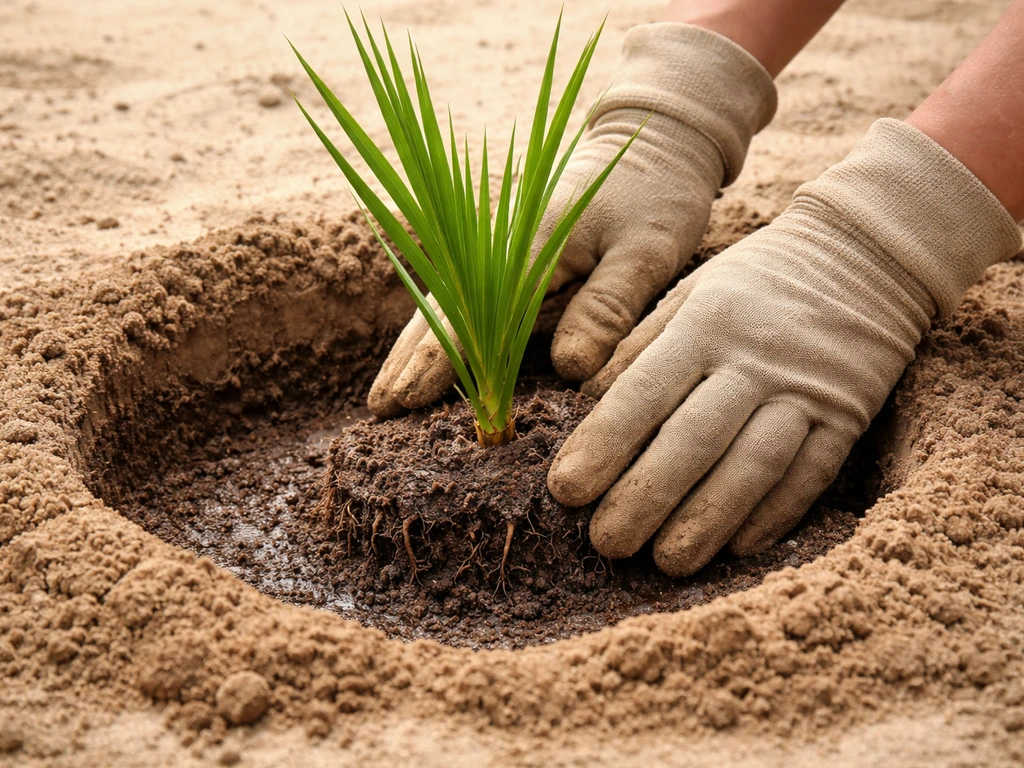
Not all date varieties behave the same way in Texas conditions. Deglet Noor and Medjool are the most recognized commercial varieties, but Medjool is especially suited to hot, drier climates and has performed well in the Rio Grande Valley. Barhee dates ripen at a softer stage and can tolerate slightly more humidity, which gives them an edge in wetter parts of the state.
For Central Texas or areas with colder winters, look for varieties that have shown some cold tolerance in trials, and prioritize nurseries that can tell you where the parent trees were grown. Buying from a source that has stock already adapted to a Texas or similar southwestern climate gives you a head start over trees grown in Florida or the tropics.
You also need at least one male plant for pollination. One male can service multiple females, so you do not need an even ratio, but you do need at least one in the vicinity. More on that in the fruiting section below.
Site setup for success
Sun and heat first, everything else second
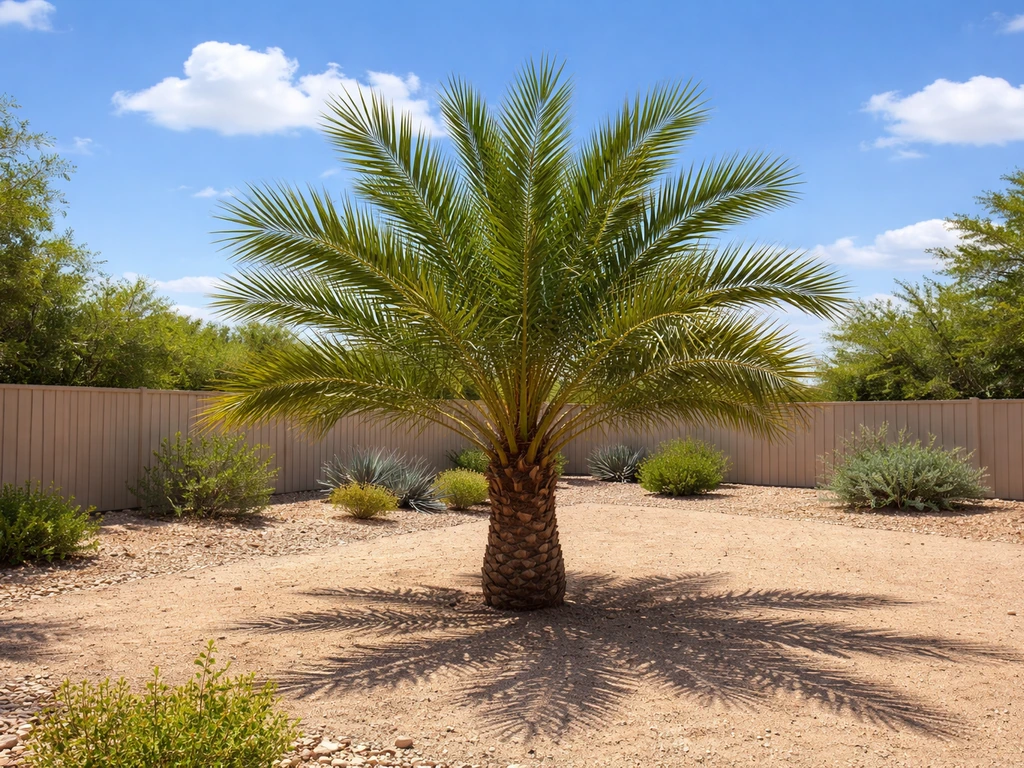
Date palms need direct sunlight, full stop. They do not fruit in shade and they do not thrive in it either. Pick the hottest, most sun-exposed spot on your property, ideally with a south or west-facing wall nearby to absorb and radiate heat. In Central and North Texas, placing your palm near a masonry wall or fence can create a microclimate that adds several degrees of warmth and extends the warm season slightly, which matters both for overwintering and for fruit ripening.
Soil and drainage are non-negotiable
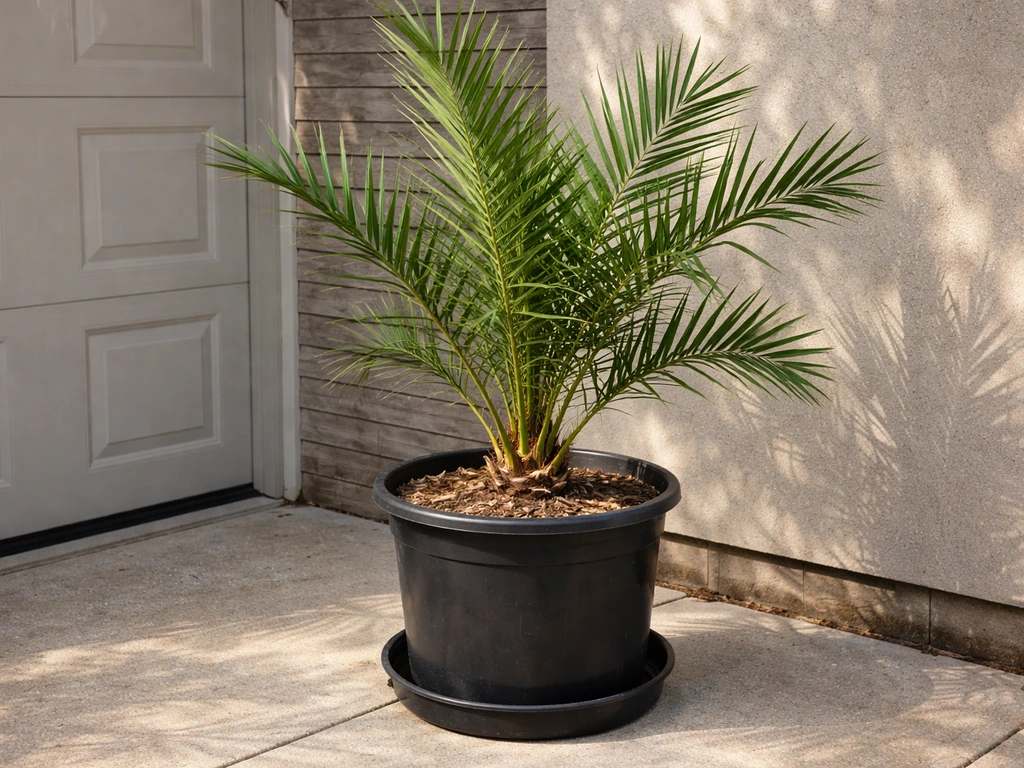
Date palms want well-drained, neutral to mildly acidic soil. They will not tolerate standing water or a high water table. If your site has heavy clay soil or poor drainage, you need to address that before planting. Raised beds, amended planting mounds, or in-ground beds with added coarse sand and organic matter all work. When you do plant in the ground, backfill carefully and water the soil in to eliminate air pockets around the roots, which can cause the tree to rock and stall its establishment.
Containers vs. in-ground
In Central Texas and North Texas, growing in a large container gives you the option to move the tree under cover during extreme cold events. A 25- to 30-gallon container with excellent drainage works for young trees. The trade-off is that container-grown palms dry out faster, need more frequent feeding, and will eventually outgrow any pot you can reasonably move. In South Texas and the Rio Grande Valley, plant in-ground from the start. The trees get large, and the root mass they develop in the ground is what ultimately drives serious fruit production.
Planting and establishment timeline
Plant in spring, after the last frost threat has passed, so the tree has a full warm season to establish before its first winter. Newly planted offshoots need consistent moisture for the first two to three years, but they should never sit in waterlogged soil. A deep watering two to three times per week during the first summer is a reasonable starting point, tapering to weekly deep watering once the tree is established. Deep and infrequent beats shallow and frequent every time with date palms.
Growth in the first couple of years is slow and mostly happening underground as the root system establishes. Do not panic if the above-ground portion barely moves the first season. By year three to five, you should start seeing more vigorous top growth. Fruit production from a female offshoot typically begins somewhere between four and eight years after planting, depending on climate, care, and how established the root system is. In South Texas with ideal conditions and a quality offshoot, earlier is possible. In Central Texas, plan for the longer end of that range.
Feed with a palm-specific slow-release fertilizer in spring and again in early summer. Palms have specific micronutrient needs, particularly magnesium and manganese, and a generic fertilizer can miss those. Yellowing fronds are often the first sign of a nutrient deficiency, not a disease, so rule that out before assuming the worst.
Winter protection and freeze strategy for Texas
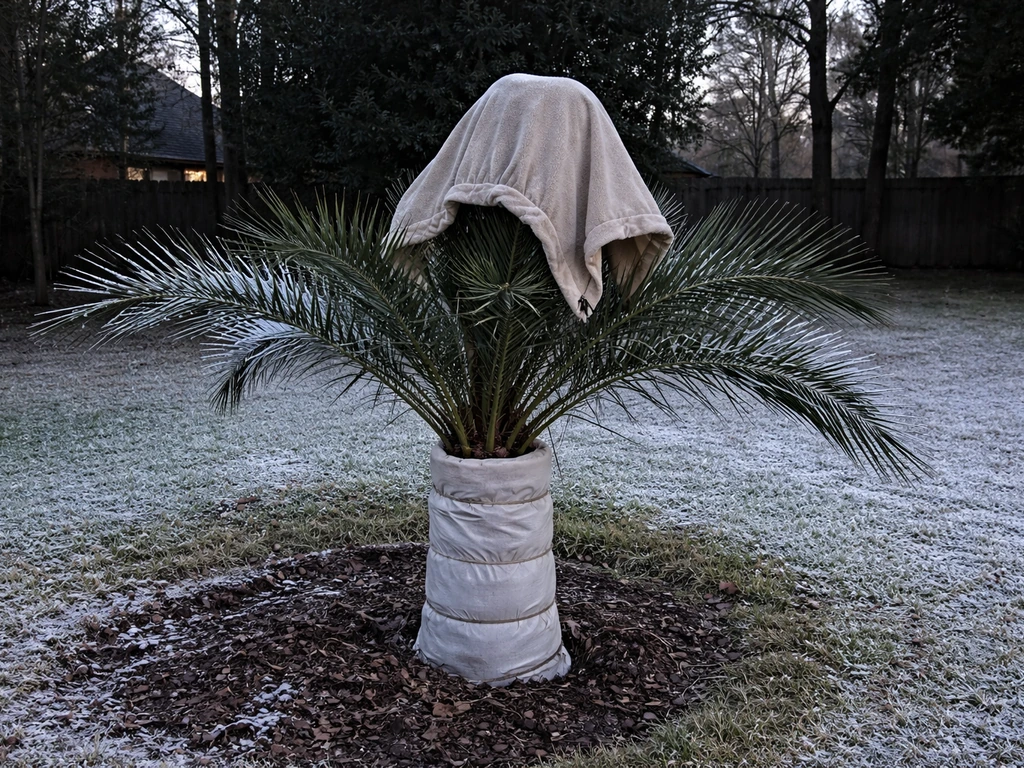
Phoenix dactylifera can handle temperatures down to about 15°F, but young trees and recently transplanted specimens are more vulnerable than established ones. A mature, well-established tree in the ground in South Texas can shrug off a typical winter with no intervention. A three-year-old tree in a Central Texas yard needs more thought.
Here is a practical freeze checklist for Texas date palm growers:
- Monitor the extended forecast from November through March, not just the official frost dates. Texas winters are unpredictable and events like the February 2021 freeze can fall well outside normal patterns.
- For container palms, move them into an unheated garage or shed when temperatures are forecast below 20°F. You do not need warmth, just wind and hard freeze protection.
- For in-ground palms in Central Texas, wrap the trunk and the crown (the bud at the very top) with burlap or frost cloth when temperatures are forecast below 20°F. The crown is the most critical part to protect because if it dies, the tree is dead.
- Use a string of incandescent lights (not LEDs, which produce no heat) under the frost cloth for added warmth during multi-day freeze events.
- After a freeze, do not prune damaged fronds immediately. Wait until you can clearly see which tissue is alive and which is dead, usually four to six weeks later. Premature pruning stresses the tree further.
- Mulch the root zone heavily (four to six inches) before winter to insulate roots from ground temperature swings.
North Texas growers who want to see how growers in similarly marginal climates handle cold-season challenges can look at what is working and what is not for date palm cultivation in the Midwest. For instance, the struggles faced by growers attempting date palms in Michigan illustrate just how much harder cold-climate cultivation gets beyond zone 8, and that comparison makes Central Texas look genuinely workable by contrast.
How (and whether) you'll get dates: pollination, fruiting, and harvest expectations
Date palms are dioecious, meaning each tree is either male or female. A female tree will not set fruit without pollen from a male. In the wild, wind handles this. In a backyard setting, you should not rely on wind alone if you are serious about fruit. Hand pollination is the standard practice even in commercial operations: collect male flower strands when they open and either tie them directly into a female inflorescence or collect and dry pollen to apply with a small brush. The timing window is short, usually a few days when the female flowers are receptive, so watch your trees closely in spring.
For ripening to succeed, you need high temperatures combined with low air humidity during the fruit development window, roughly from pollination through harvest in late summer or fall. This is where West Texas and the Rio Grande Valley have a real edge over the Gulf Coast. Coastal humidity during ripening causes dates to absorb moisture, which leads to mold and fermentation on the bunch rather than the sweet, dried fruit you are after. If you are in a humid area, you can partially mitigate this by covering the fruit bunches with paper bags or mesh sleeves after the fruits have set, which reduces direct moisture contact.
Harvest timing depends on the variety and the ripeness stage you prefer. Dates pass through stages called Kimri (green, astringent), Khalal (colored, crisp), Rutab (soft, partially cured), and Tamar (fully ripe, dried). Most people want Rutab or Tamar stage fruit. In a Texas climate, not every bunch will reach fully dried Tamar stage on the tree, but Rutab stage dates are delicious and worth harvesting even if they need a little time in a warm indoor space to finish.
It is worth comparing the Texas situation to California's date-growing regions, which are the benchmark for commercial US production. Growers looking at growing dates in California will notice that the Coachella Valley's combination of intense summer heat and very low humidity is what makes commercial yields possible there. Texas's best sites, particularly the dry west and the hot Valley, can get close to those conditions.
Troubleshooting common problems and next steps
Lethal bronzing: the disease you need to know about
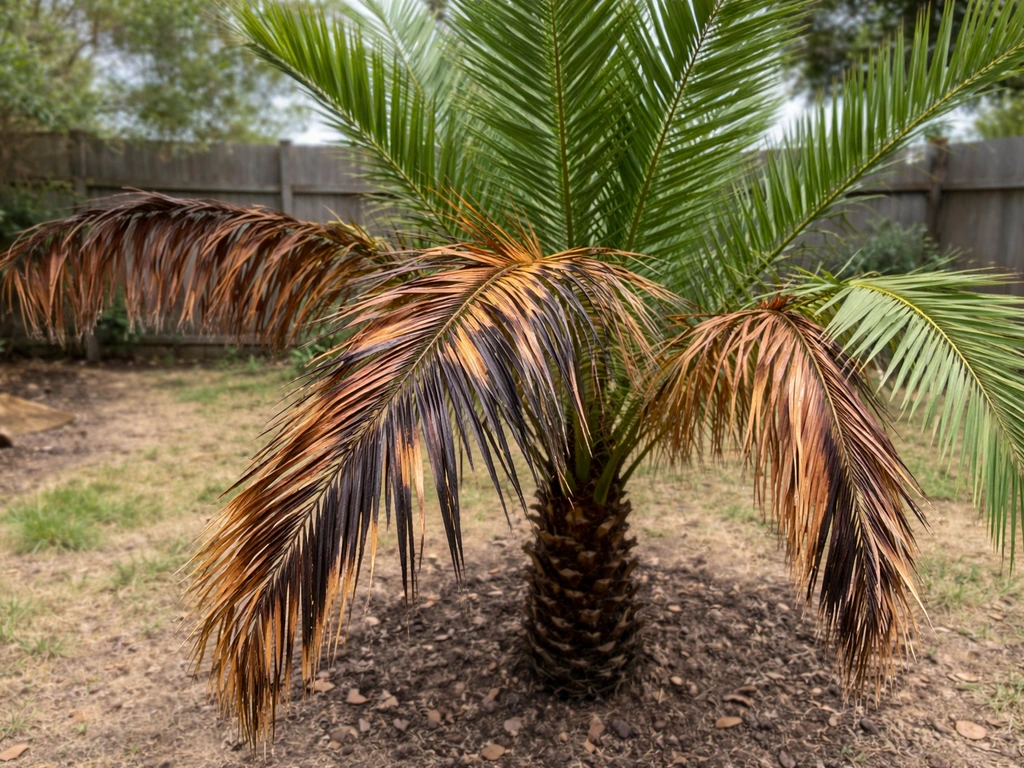
The most serious disease threat to date palms in Texas is lethal bronzing, also known as Texas Phoenix Palm Disease. It first appeared in the Rio Grande Valley in the late 1970s and has since shown up in the Corpus Christi and Galveston areas. Phoenix dactylifera is on the susceptible species list. Symptoms include progressive browning and collapse of fronds starting from the bottom of the canopy and working upward, fruit drop, and death of the terminal bud.
There is no cure once a tree is infected. The disease is spread by a leafhopper insect, so controlling the insect vector with appropriate treatments and avoiding planting near known infected trees are your main tools. Before planting in the Rio Grande Valley or coastal areas, check with your local Texas A&M AgriLife Extension office about current disease pressure in your specific area.
Cold damage
Brown, wilted fronds after a freeze do not always mean a dead tree. The key is whether the terminal bud (the single growing point at the top center of the crown) survived. Press gently on it after a freeze event. If it is firm, the tree will likely recover. If it is mushy or liquid, the tree is most likely dead. Wait before cutting anything, let the tree tell you what is alive.
Drainage and root rot
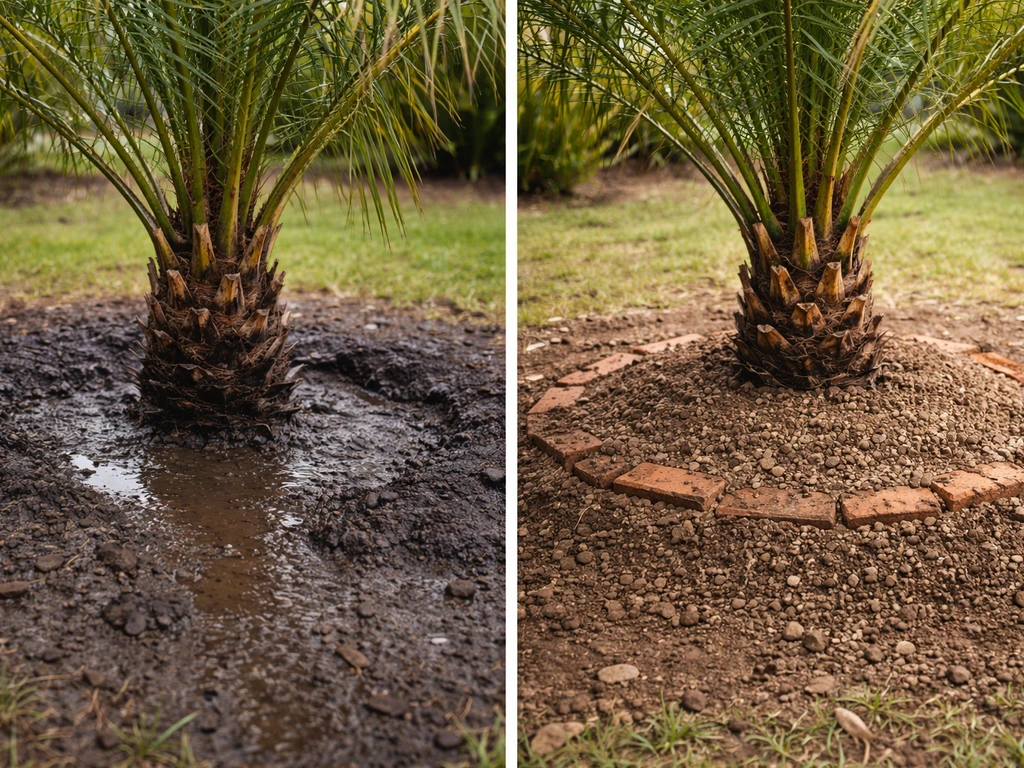
Poor drainage is a slow killer. If your tree is yellowing across all frond ages, growing slowly even in warm seasons, and the soil stays wet for days after rain, drainage is likely the issue. You may need to transplant to a raised area or amend heavily. Do not plant where water pools after rain under any circumstances.
Nutrient deficiencies
Yellowing of older fronds with a green center stripe (pencil leaf) points to manganese deficiency. Yellowing of the older lower fronds overall often signals magnesium deficiency. Both are common in sandy or leached soils. Use a palm-specific granular fertilizer with micronutrients, and supplement with magnesium sulfate (Epsom salt) as a soil drench if magnesium deficiency is confirmed.
Your next steps today
If you are ready to move forward, here is how to prioritize your actions:
- Confirm your USDA hardiness zone and look up the record low temperatures for your specific Texas city, not just the zone average.
- Contact your county's Texas A&M AgriLife Extension office to ask about lethal bronzing disease activity in your area before buying trees.
- Source a female offshoot of a proven fruiting variety (Medjool or Barhee are good starting points) from a reputable nursery, ideally one with stock already growing in Texas or a comparable southwestern climate.
- Select the hottest, most sun-exposed, best-draining spot on your property, and amend the soil if needed before spring planting.
- Buy or arrange for at least one male plant, either as a companion tree or as a potted specimen for pollen harvesting at bloom time.
- Plan your winter protection strategy before the first fall cold snap, not during it.
Growers in Ohio or Michigan face much steeper obstacles with date palms than most of Texas does. If you want a sense of just how marginal the climate can get in colder states, reading about growing dates in Ohio puts the Texas situation in a more favorable light and reinforces why South and Central Texas, with the right approach, are genuinely worth the attempt.