
Yes, you can grow mandrake in the US, but it takes the right climate, a lot of patience, and a clear understanding of which species you're actually working with. If you're also wondering can you grow ephedra, the legal and growing requirements are completely different from mandrake, so you'll want to research those before attempting anything. Most US gardeners in USDA zones 6 through 8 can grow the most common species (Mandragora officinarum) outdoors with some protection. If you're in zones 9 and 10, a different species called Mandragora autumnalis is a better fit. Outside those ranges, containers are your best option for bringing plants indoors during extreme cold or heat.
Can You Grow Mandrake in the US? Planting and Care Guide
Marcus Holloway
28 Jun 2026
Which mandrake species you're actually growing matters a lot
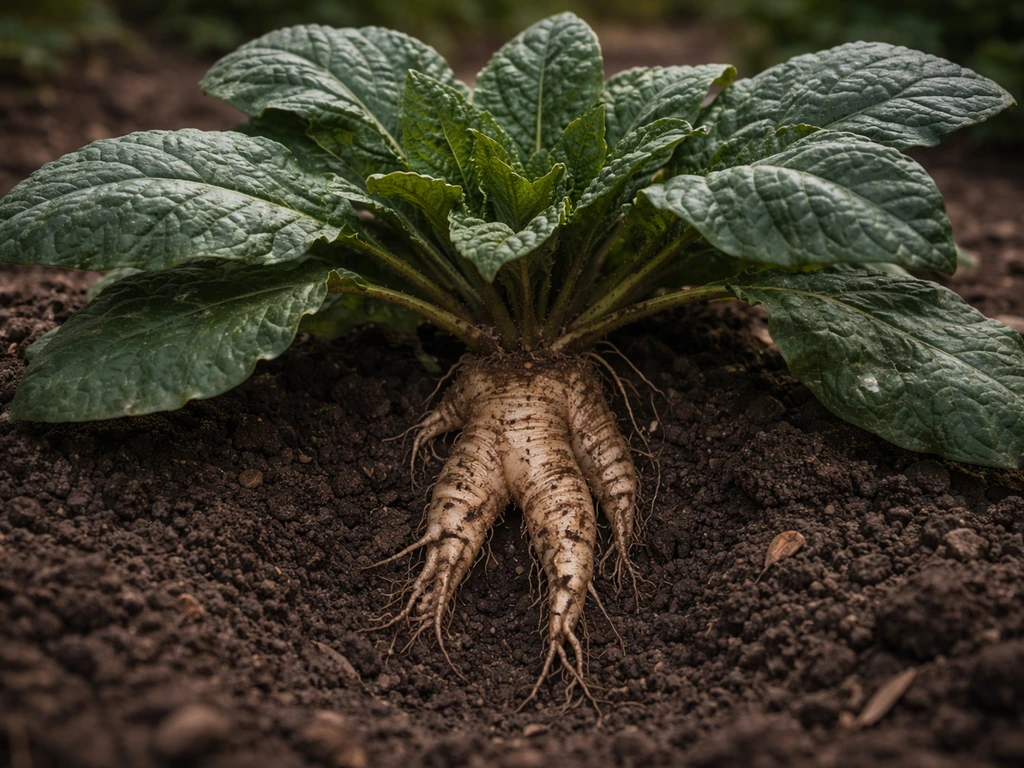
Mandrake isn't one plant. can you grow amethyst. The name covers several species in the Mandragora genus, and which one you choose will largely determine whether your growing attempt succeeds or fails. The three species most relevant to US cultivation are Mandragora officinarum (European or common mandrake), Mandragora autumnalis (autumn mandrake), and Mandragora turcomanica (Turkmenian mandrake). They look similar and share the iconic large, forked taproot, but their cold tolerance and climate preferences differ enough that you really can't treat them interchangeably.
Mandragora officinarum is the classic species most people are thinking of when they search for mandrake. It's a cool-season Mediterranean plant that goes dormant in summer heat. Mandragora autumnalis is similar but blooms in fall rather than spring and handles warmer, drier climates a bit better. Mandragora turcomanica is the warmest-climate species, suited to zones 9 through 12, and has a minimum cold tolerance of only around -3°C (27°F). Matching species to your zone is step one, because planting the wrong species is the most common reason people struggle.
Where in the US mandrake can realistically grow
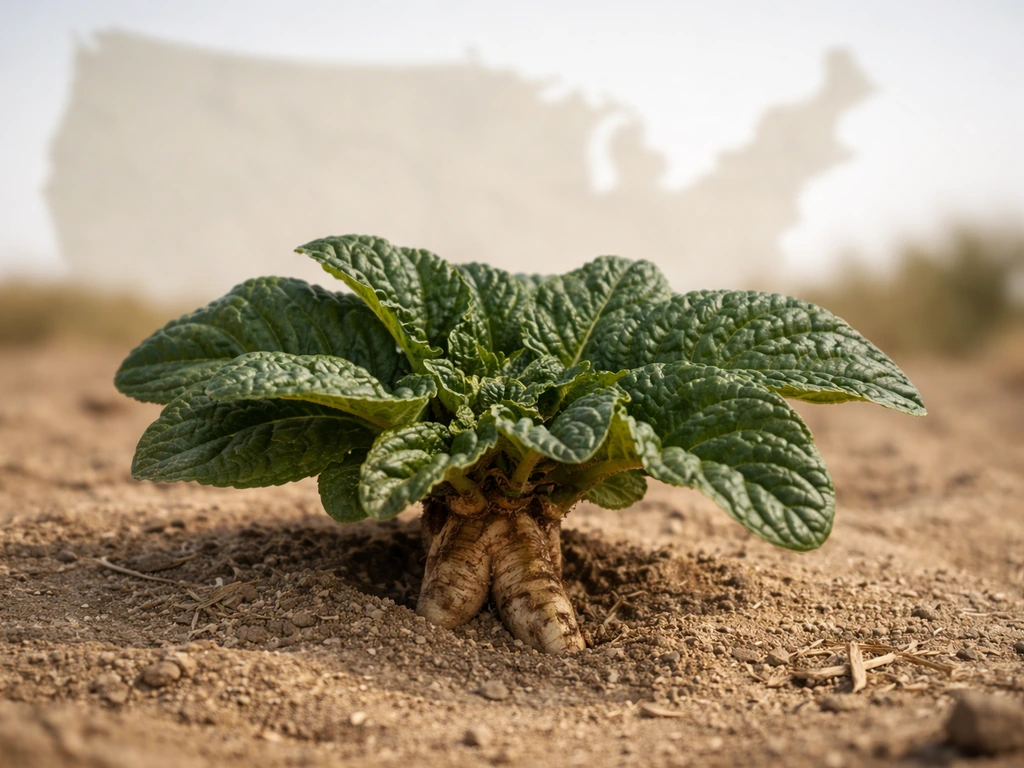
Mandrake is a Mediterranean native, so it wants mild winters, cool growing seasons, and dry summers. That immediately narrows the map. Mandragora officinarum is most commonly listed as hardy in USDA zones 6 to 8, with some sources pushing it to zone 6a (tolerating down to about -23°C / -10°F in dormancy). Outside USDA zones 6 to 8, Gardening Know How recommends bringing mandrake plants indoors to manage colder winter conditions. Mandragora autumnalis fits zones 6 through 10. Mandragora turcomanica is strictly a warmer-climate plant suited to zones 9 through 12.
| Species | USDA Zones | Minimum Cold Tolerance | Best US Regions |
|---|---|---|---|
| Mandragora officinarum | 6–8 | ~-23°C / -10°F (zone 6a) | Mid-Atlantic, Pacific Northwest, parts of the South |
| Mandragora autumnalis | 6–10 | ~-18°C / 0°F | Pacific Coast, Southeast, Southwest |
| Mandragora turcomanica | 9–12 | ~-3°C / 27°F | Southern California, Florida, Gulf Coast, Hawaii |
In practical terms, the Pacific Northwest (Oregon, Washington) is probably the most naturally favorable region in the US for Mandragora officinarum because it mimics the mild, wet winters and drier summers of the Mediterranean. Parts of Northern California, the Mid-Atlantic coast (Virginia, the Carolinas, Maryland), and the upper South can work too. The hot, humid Southeast is tougher because summer heat and humidity push plants into stressed dormancy and promote rot. In zones 5 and colder (most of the Midwest and Northeast), outdoor growing is possible only in very sheltered microclimates, and container growing with indoor overwintering is the safer approach.
If you're in a borderline zone, check your microclimate before you commit. A south-facing wall, a raised bed with excellent drainage, or the protection of a cold frame can shift your effective growing conditions by a zone or more. Mandrake hates cold, wet soil in winter far more than it hates cold air temperatures, so drainage is often the deciding factor in marginal zones.
Soil, site setup, and containers vs. in-ground
Mandrake's most important requirement is deep, very well-drained soil. The taproot can grow 12 to 24 inches deep or more, and it will rot in compacted, waterlogged, or clay-heavy ground. If your native soil doesn't drain fast, you need to fix that before you plant. A raised bed or a deep container filled with a gritty, loamy mix is often the most practical solution for most US home gardeners.
Target a soil pH of 6.0 to 7.0. A neutral to slightly acidic loam amended with coarse sand or perlite works well. Avoid heavy clay entirely. For containers, choose a pot at least 18 inches deep (24 inches is better) to give the taproot room to develop. Terracotta pots work well because they breathe, reducing the risk of waterlogging. Make sure drainage holes are unobstructed.
Site selection matters a lot. Mandrake needs full sun to partial shade. In cooler zones (6 and 7), full sun is ideal. In warmer zones (8 and above), some afternoon shade helps prevent heat stress during summer dormancy. Position plants where they're protected from cold, drying winter winds, which can damage leaves and stress the crown. A south-facing, sheltered bed near a wall or fence is the classic setup.
Container growing opens up mandrake cultivation for people in zones 5 and colder, or in hot and humid zones like the Deep South. The trade-off is that containers require more attentive watering (because they dry out faster) and you'll need a plan for moving them indoors during hard freezes or extreme summer heat. A cool garage, basement, or unheated greenhouse is ideal for overwintering container plants in colder climates.
How to start mandrake: seeds vs. root cuttings
Starting from seed
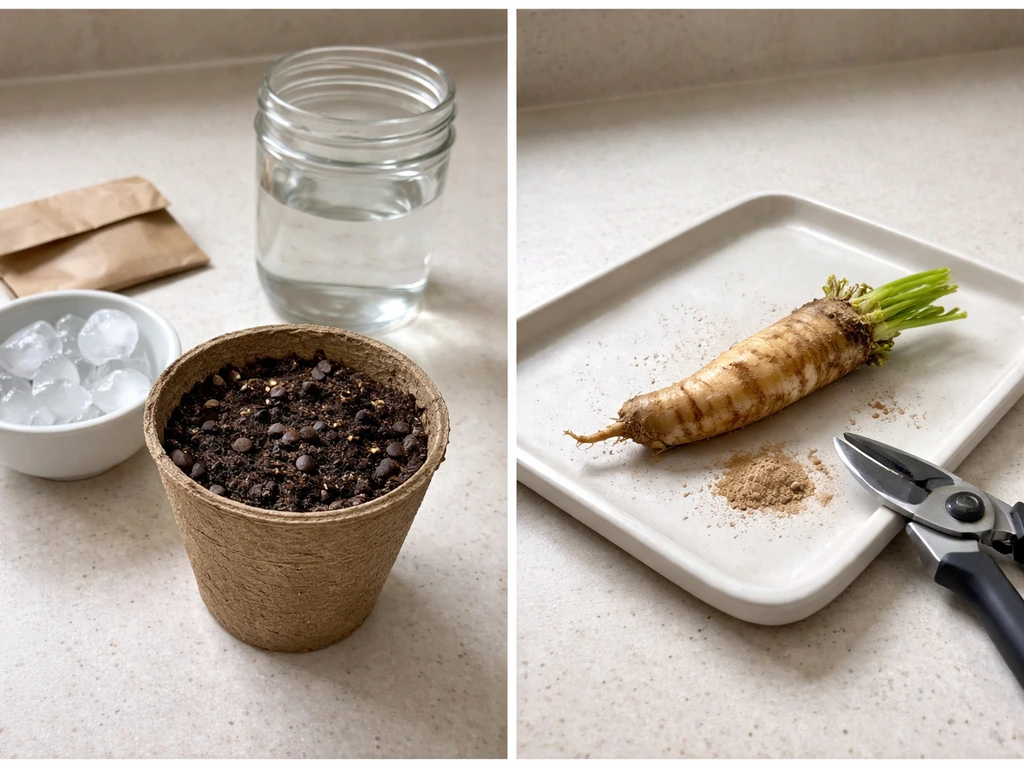
Seeds are the most accessible starting point but also the most demanding in terms of patience. Mandrake seeds have a natural dormancy that requires cold stratification before they'll germinate reliably. Without it, you may see nothing for months. The process: mix seeds with slightly damp vermiculite or peat, seal them in a plastic bag, and refrigerate at 2 to 4°C (35 to 40°F) for 4 to 6 weeks. After stratification, move seeds to a warm environment (around 20 to 22°C / 68 to 72°F) for germination.
Germination is notoriously irregular. You might see sprouts in 4 weeks, or it might take 3 to 4 months. Research on Mandragora autumnalis shows that combining cold stratification with gibberellic acid (GA3, a hormone available from seed suppliers) can dramatically improve germination rates. If you're having trouble, a dilute GA3 soak before stratification is worth trying. Sow seeds into individual small containers rather than trays, because mandrake hates having its taproot disturbed and transplanting is risky once roots establish.
Root division and transplanting
Mandrake can also be propagated by carefully dividing the root from an established plant, though this is riskier because any damage to the taproot can kill the plant. If you're dividing, do it in fall when the plant is heading into dormancy. Use a very sharp, clean knife, let the cut surface dry for a day before replanting, and plant immediately into prepared soil or a deep container. Transplanting seedlings or young plants is similarly nerve-wracking since the taproot is fragile. If you started in individual pots, handle carefully and disturb roots as little as possible when moving to a final site.
Ongoing care: water, light, mulch, and temperature
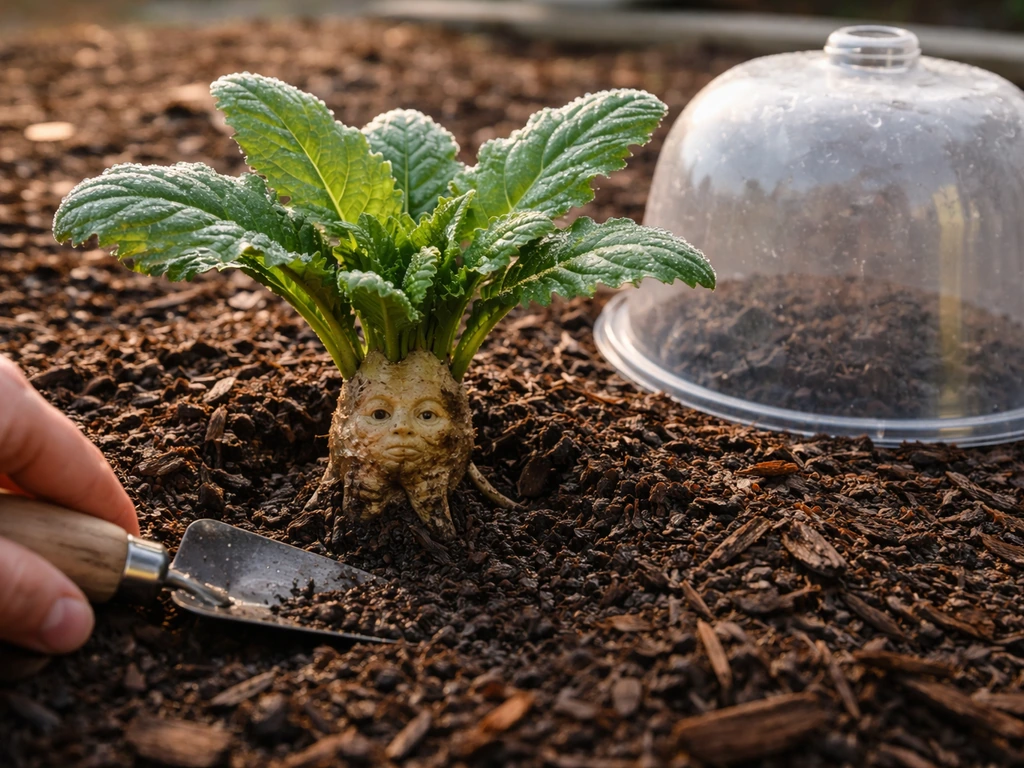
Once established, mandrake is fairly low-maintenance, but it does follow an unusual seasonal rhythm. Growth is active in cool seasons (fall through spring), and the plant goes dormant in summer heat. Work with this cycle rather than against it.
- Watering: Keep soil moderately moist during the growing season (fall through spring). Reduce watering significantly once summer dormancy begins. Overwatering during dormancy is the most common way to lose plants to root rot.
- Light: Full sun during the active growing season is ideal. In zones 8 and above, provide afternoon shade as temperatures rise in late spring.
- Mulching: Apply a 2 to 3 inch layer of dry mulch (straw, gravel, or bark) around the crown to regulate soil temperature, reduce winter wet, and insulate roots from freeze-thaw cycles. In wet-winter climates, a layer of coarse gravel directly around the crown helps shed water away from the plant.
- Temperature: The plants are dormant and fairly tough once established, but young seedlings in their first winter need extra protection. A cloche, cold frame, or layer of dry mulch over the crown can make the difference in zones 6 and 7.
- Fertilizing: Light feeding with a balanced, slow-release fertilizer in early fall (when growth resumes) is sufficient. Avoid high-nitrogen feeds that push leafy growth at the expense of root development.
In zones 5 and colder, container plants should be moved indoors before the first hard freeze. A cool, dark location (like a basement around 5 to 10°C / 40 to 50°F) is fine for dormancy. Barely water through winter and bring back into light as temperatures warm in late winter or early spring.
Pests, diseases, and the toxicity issue you can't skip
Common pests and diseases
Mandrake isn't heavily plagued by pests, partly because its alkaloids deter most insects and browsers. Slugs and snails will go after young seedlings, especially in wet conditions. Aphids can occasionally appear on new growth. Root rot from Pythium or Phytophthora fungi is the most serious disease risk, almost always caused by poor drainage or overwatering during dormancy. There's no recovering a rotted taproot, so prevention through drainage management is everything. If you see yellowing leaves outside of normal dormancy, suspect root rot and inspect the crown immediately.
Toxicity and safe handling: this is not optional reading
Every part of the mandrake plant is toxic. The roots and leaves contain tropane alkaloids including atropine, scopolamine, hyoscyamine, and mandragorine. These compounds affect the central nervous system and can cause serious anticholinergic toxicity: rapid heart rate, hallucinations, seizures, and in severe cases, death. The California Poison Control System specifically lists Mandragora officinarum among anticholinergic plants that cause human toxicity.
Treat this plant the way you'd treat any highly toxic ornamental. Wear gloves when handling roots, leaves, or berries. Wash hands thoroughly after any contact. Keep children and pets away from the plant entirely. The yellow berries the plant produces in summer look appealing but are poisonous. Do not compost plant material where animals or children might contact it. Store any harvested roots in clearly labeled, sealed containers out of reach. If anyone ingests any part of the plant, contact Poison Control immediately (1-800-222-1222 in the US).
Root development and realistic harvest expectations
If you're growing mandrake expecting a large, impressive forked root in your first or second year, set those expectations aside now. Mandrake is a slow-growing perennial. If you meant a different medicinal herb, you can also learn can you grow milk thistle in a similar way by focusing on sunlight, well-draining soil, and consistent care. In year one, you'll likely have a small rosette of leaves and a thin, carrot-like root. By year two to three, the root will have developed more substantially. The dramatic, human-shaped roots of legend are typically from plants that are five or more years old, grown in very deep, loose soil with minimal obstruction.
In containers, root growth is limited by pot depth and volume, so you'll generally get smaller roots than plants grown in deep, open ground. If root development is your primary goal, plant in-ground in deeply loosened, sandy-loam soil and leave the plant undisturbed for several years. Harvesting the root effectively kills the plant, so most growers leave established plants in place and propagate via seed rather than digging.
For most US gardeners, growing mandrake is more about the experience of cultivating an unusual, historically rich plant than about harvesting a large root. The rosette growth habit, the pale flowers in spring, and the novelty of tending a genuinely rare plant are the real rewards here. Think of it less like growing a vegetable root crop and more like growing a long-lived specialty perennial that happens to have an extraordinary backstory.
If you find yourself drawn to other unusual or challenging-to-grow specialty plants, you might also find similar appeal in exploring things like milk thistle or ephedra, which share some of the same reputation for difficult cultivation and specific climate requirements. If you're actually asking, can you grow spaghetti indoors or outdoors, tell me your USDA zone and whether you want a hydroponic or soil setup.
FAQ
Can I transplant mandrake seedlings, or will that ruin the taproot?
Yes, but you must plan for the taproot early. Start in individual deep pots (not trays), then move once into a final container or in-ground site, because repeated transplanting can stall growth or kill the plant. If you do use a container, choose at least 24 inches deep and confirm the drainage holes stay open so the crown is not sitting in damp soil.
How much should I water mandrake, especially during the summer dormancy?
Mandrake should be kept on the dry side in its summer dormancy. Instead of a fixed schedule, only water lightly when the soil is barely dry several inches down, and never leave the pot or bed to cycle between wet and dry repeatedly, which can trigger taproot rot.
What should I do if I live in a hot, humid region and want to grow mandrake?
If your area is hot or humid, the main failure mode is stressed dormancy, then rot. Use a gritty, fast-draining mix, give afternoon shade in zones 8 and up, and prioritize airflow around the plant. In extreme humidity, containers are easier to manage because you can control moisture and move the plant to a drier microclimate during peak summer.
How can I tell if my soil drains well enough before planting mandrake?
For seedlings and small plants, check drainage by doing a simple soak-and-drain test on the bed or container. Water thoroughly, then verify the soil drains quickly and does not stay soggy after a day. If it stays wet, amend with coarse grit and consider a raised bed, because poor winter drainage is more dangerous than cool temperatures.
How do I recognize root rot, and what can I do in time?
Common signs include mushy tissue near the crown, sudden decline during cool wet weather, and persistent yellowing that is not aligned with normal seasonal dormancy. Because the taproot is hard to inspect, the best step is to immediately check the drainage situation and remove the plant only if it is clearly collapsing, since once rot starts inside the root it cannot be reversed.
My mandrake seeds have stalled, is that normal or a sign I did something wrong?
Mandrake seed often germinates irregularly, so a “no sprouts after a few weeks” result usually does not mean failure. Keep the stratified seeds consistently cold for the full 4 to 6 weeks, then maintain stable warmth after sowing. Also, sow in small individual containers so the taproot grows without disturbances during the later slow stages.
Do temperature swings during stratification ruin mandrake germination?
Cold stratification is important, but temperature consistency matters too. If your refrigerator fluctuates, use a reliable thermometer and avoid freezing conditions. After stratification, ensure the germination room is warm enough and not overly damp, because mold risk rises when the medium stays wet.
Is dividing mandrake roots a good option, or should I only grow from seed?
Division is possible but risky, because damaging the taproot can kill the plant. If you try it, do it during fall when the plant is transitioning toward dormancy, use sterile tools, let the cut surface dry briefly, and replant immediately into very loose, well-drained soil. Expect lower survival than seed-started plants.
What is the best way to overwinter mandrake in a container?
In many climates, the safest overwintering strategy is a cool, dark, and consistently dry environment so the plant stays dormant without fungal pressure. Move containers before hard freezes, water sparingly (only to prevent the medium from fully drying out for long stretches), and bring the plant into light gradually as temperatures rise.
Can I compost or dispose of mandrake leaves and roots like normal garden waste?
Yes. Because the plant is highly toxic, you should treat berries and roots like hazardous materials, including storage. Label anything you harvest, keep it in sealed containers out of reach, and avoid composting plant material where pets, wildlife, or children might access it.
Next Articles
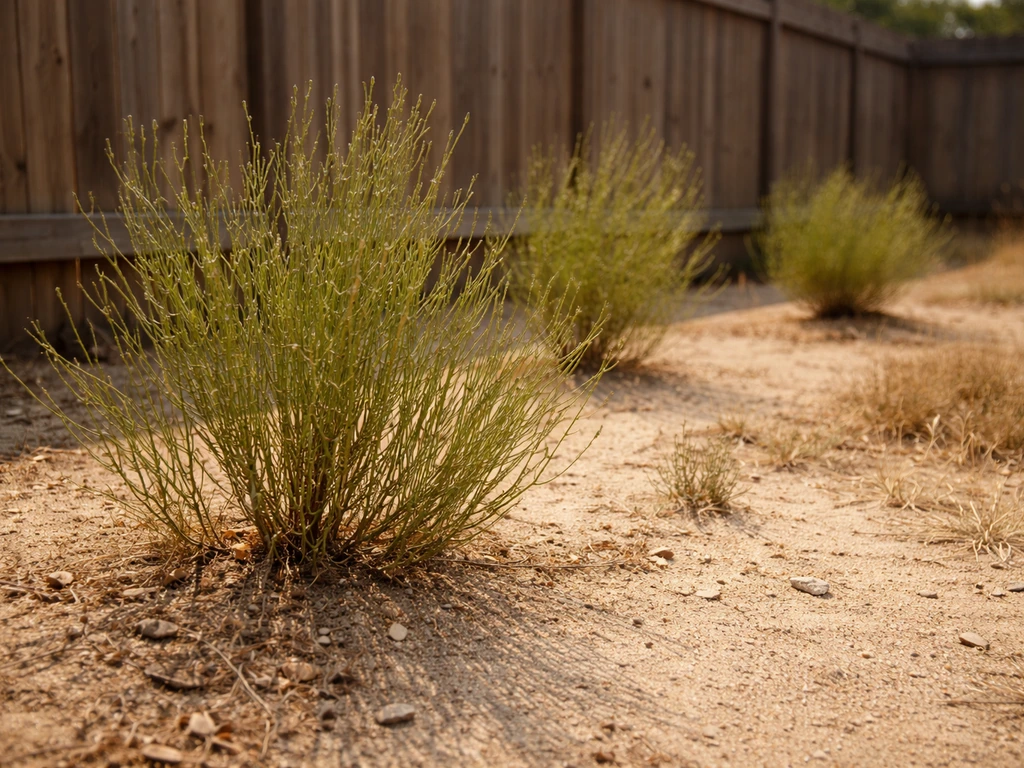
Can You Grow Ephedra at Home in the US? Feasibility Guide
Go or no-go guide on growing ephedra in the US, including legality, species ID, and climate and care needs.
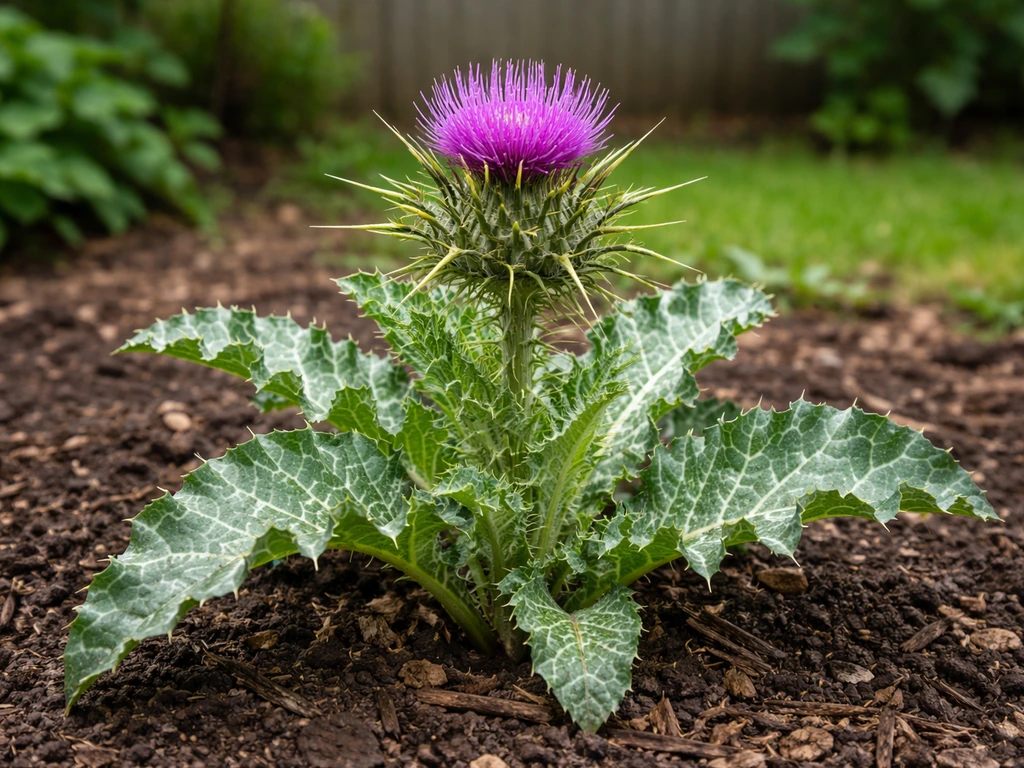
Can You Grow Milk Thistle in Your US Region? Guide
Yes with conditions: grow milk thistle by USDA zone with seed-start tips, care, pest basics, and seed harvest timing.
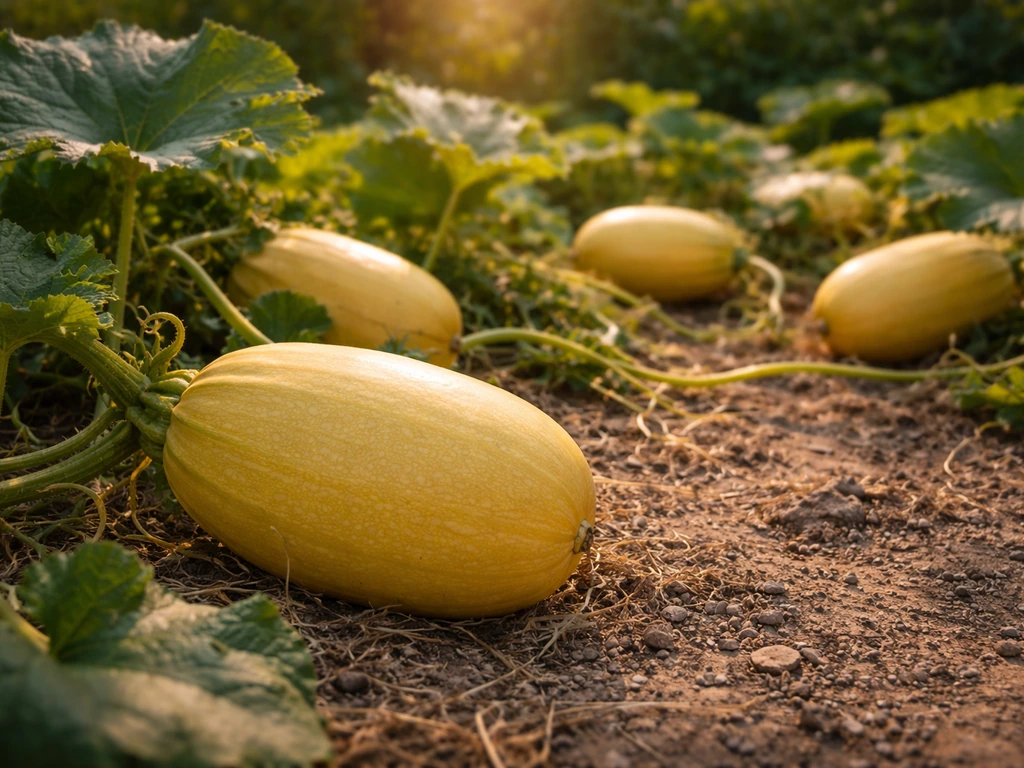
Can You Grow Spaghetti? Growing Spaghetti Squash in the US
Grow spaghetti squash in the US with climate-specific tips, planting to harvest, pest control, and how to make strands.