
Yes, you can grow celery in Minnesota, but it takes more planning than most vegetables. You can also grow chickpeas in Ohio, but you'll need to match planting dates to Ohio's length of the growing season and cool-weather conditions can you grow chickpeas in ohio. Celery is a cool-season crop that needs a long growing window (90 to 120 days from transplant), consistent moisture, and careful timing to avoid bolting from cold snaps.
Can You Grow Celery in Minnesota? How to Grow It Successfully
Marcus Holloway
22 Jun 2026
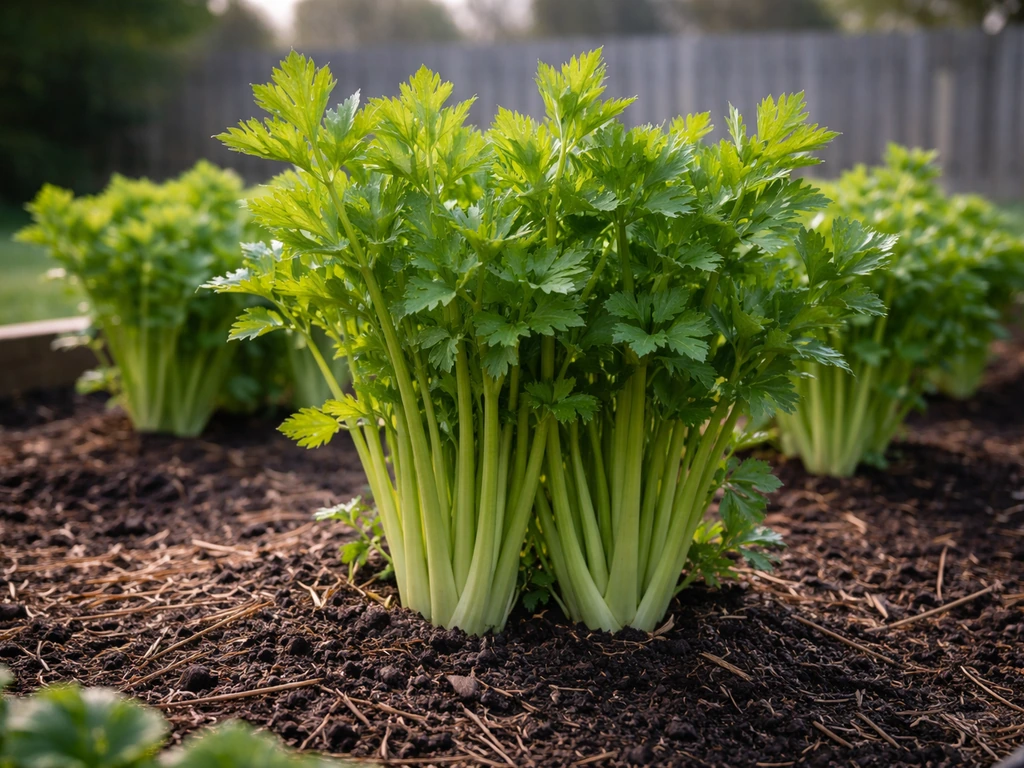
Minnesota's climate can actually work in your favor once you understand the rules: start seeds indoors in late February or early March, harden off and transplant after your last frost risk drops, pick a faster-maturing variety, and keep the soil consistently wet. Do all that and you'll pull real celery out of your garden by late summer.
Is Minnesota's climate actually workable for celery?
Celery is tricky anywhere, and Minnesota adds a few specific challenges. The state sits in USDA hardiness zones 3b through 5b, with last spring frost dates ranging from around mid-April in the Twin Cities metro to late May in northern counties like Cook or Koochiching. That tight frost-free window is your biggest constraint because celery needs roughly 90 to 120 days from transplant to harvest, meaning you're working backward from your first fall frost (typically late September to mid-October) to figure out your transplant date.
The other major issue is bolting. Celery bolts (sends up a flower stalk and turns bitter) when it's exposed to prolonged cold temperatures, especially night temps consistently below about 55°F. Research from MSU Extension makes this point clearly: the longer the duration of cold exposure, the higher the percentage of plants that bolt. In Minnesota, that means transplanting too early in spring, before nights reliably warm up, is one of the most common ways a celery crop fails. You don't want to rush it outdoors just because the last frost date has technically passed.
The good news is that Minnesota's cool summers are genuinely beneficial for celery quality. Celery prefers temperatures in the 60s and low 70s and doesn't love the scorching heat that makes it bolt or go pithy in warmer states. Central and southern Minnesota growers have a realistic shot at a solid crop every year. Northern Minnesota gardeners can still do it but need to be strategic about variety selection and season extension tools. Short day onions are a great option too, and the key is matching the variety and planting time to your Minnesota season length.
Best varieties and when to start seeds
Variety choice matters a lot in a short-season state. You want something that matures in 85 to 95 days rather than pushing 120 days. Two varieties worth prioritizing are Golden Self-Blanching (around 85 to 95 days to maturity) and Conquistador, which MSU Extension specifically flags as a relatively faster-maturing variety compared to longer-season types like Green Bay. Golden Boy is another self-blanching option that clocks in at about 85 days and produces golden-yellow stems with a mild flavor. These shorter-season, self-blanching types give you a real buffer against Minnesota's compressed growing window.
Start your seeds indoors 10 to 12 weeks before your expected last frost date. For most of the Twin Cities and southern Minnesota, that puts seed-starting in late February to early March. For central Minnesota (think St. Cloud, Brainerd), aim for late February.
Northern Minnesota growers should start in mid- to late February to squeeze out every day of the season. Celery seeds are notoriously slow to germinate, taking 14 to 21 days even under good conditions. MSU Extension notes that celery is a cool-season but difficult crop, with seeds typically germinating in about 14 to 21 days and requiring careful risk management for successful production [celery seeds typically germinate in about 14 to 21 days](https://www. canr.
msu. edu/resources/howtogrow_celery). They want warm temperatures to sprout: aim for about 85°F during the day and around 70°F at night, with diffuse light. A heat mat under your trays is genuinely useful here, not just a nice-to-have.
One thing to watch during germination: use a quality seed-starting mix, not garden soil. Garden soil introduced into warm, wet trays is a common cause of damping-off, a fungal issue where seedlings collapse at the base before they ever get going. Once seedlings are up, keep good airflow around them to reduce that risk further.
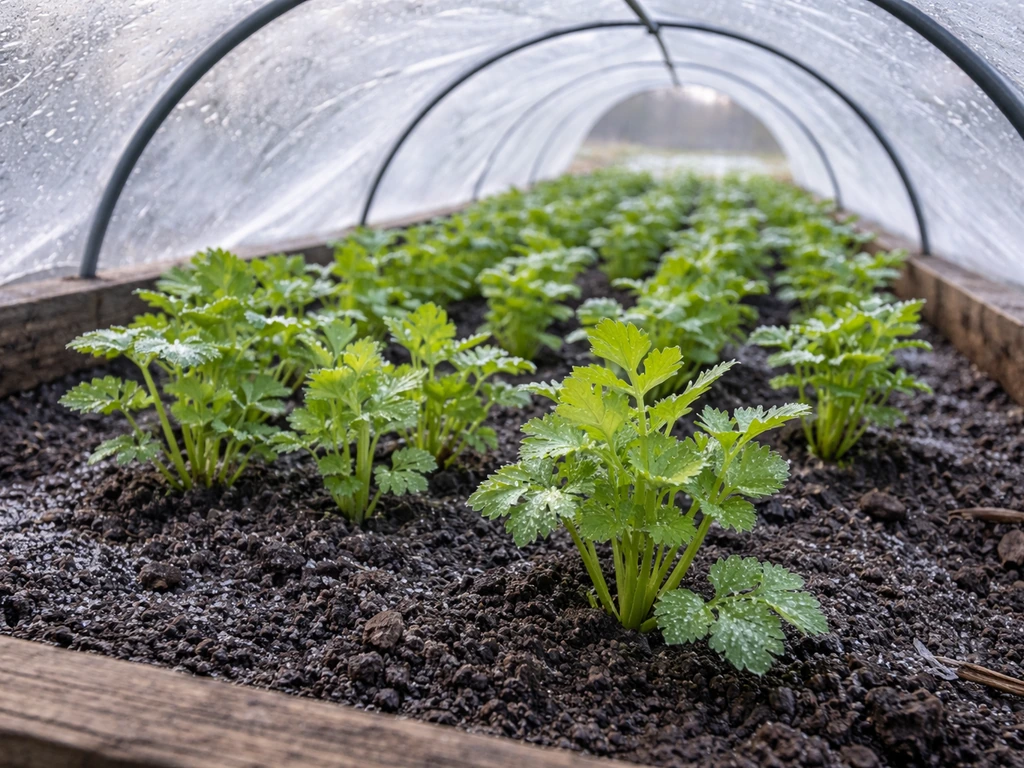
Transplant outdoors when nighttime temps are consistently staying above 55°F and all frost risk has passed. In the Twin Cities, that usually means late May to early June. If you want to push it a bit earlier (late April or early May), protect transplants with plastic row covers or low tunnels, which raise daytime soil temperatures and buffer cold nights. If you want to grow celery in Ohio, the same timing and protection for cold nights can help prevent bolting plastic row covers or low tunnels. Commercial growers commonly use plastic tunnels for any celery going in before late April precisely to prevent cold-induced bolting.
Setting up your site and soil
Celery wants full sun, at least 6 hours a day, but it will tolerate and even appreciate a bit of afternoon shade during any warm spells. Georgia’s growing season is different from Minnesota’s, so chickpea timing and variety choices will matter if you want a successful crop can you grow chickpeas in georgia. More importantly, it needs consistently moist, fertile, well-drained soil.
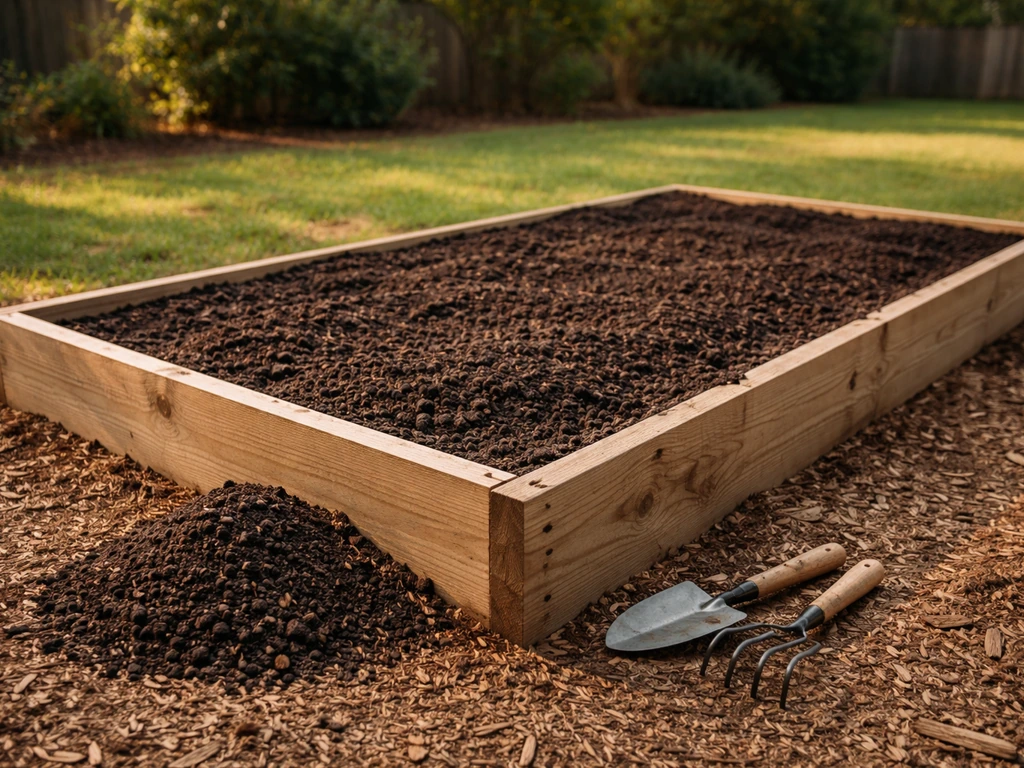
Heavy clay that stays waterlogged will rot roots; sandy soil that drains too fast causes water stress, which leads to pithy, hollow stalks. Loamy soil with plenty of organic matter is the ideal. If your Minnesota soil is heavy (very common in the Metro and Red River Valley areas), work in 3 to 4 inches of compost before planting.
Celery is a nutrient-hungry crop but with a specific timeline. Nitrogen demand is low for the first 25 days after transplanting, then increases rapidly. Start with a balanced fertilizer worked into the bed at planting, then sidedress with nitrogen about 2 to 3 weeks after transplanting and again at 6 to 8 weeks. A soil test before you plant is genuinely worth doing if you haven't tested your garden soil recently. Minnesota soils vary widely in pH and available nutrients, and celery does best at a soil pH of 6.0 to 7.0.
Planting, spacing, watering, and blanching
How to space and plant
Space transplants 6 inches apart within rows, with rows about 24 inches apart. If you're growing just a few plants in a home garden bed, 10 to 12 inches between plants works fine and makes management easier. Plant transplants at the same depth they were growing in their containers. Don't bury the crown.
Watering
Water is non-negotiable with celery. It's one of the most water-sensitive vegetables you can grow, and any significant moisture stress leads directly to pithy, hollow, or stringy stalks. Can you grow chickpeas in Texas? It depends on planting time, heat management, and providing the right soil conditions water-sensitive vegetables.
Aim to keep the soil consistently moist but not saturated. In Minnesota's typically drier July and August periods, that may mean watering deeply every two to three days depending on your soil type. A 2 to 3 inch layer of mulch around plants helps retain moisture significantly. Use drip irrigation or soaker hoses if you can, because overhead watering wets the foliage and increases foliar disease pressure, which is already a concern in Minnesota's humid summers.
Blanching for pale, mild stalks
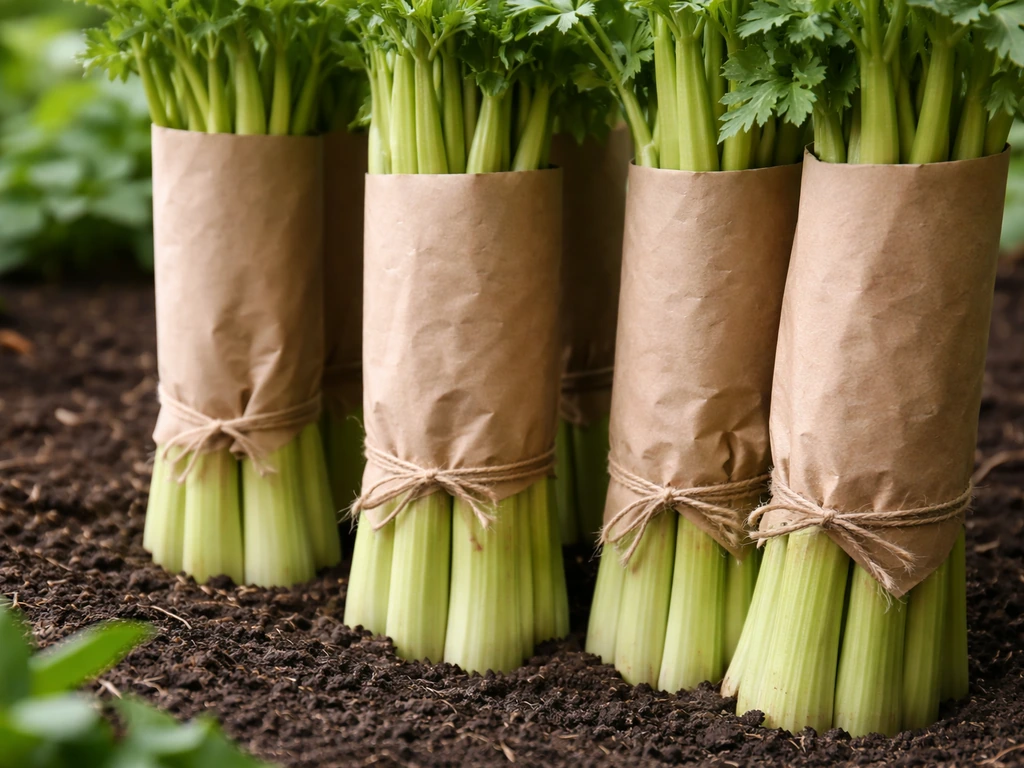
If you want the classic pale green or yellow celery flavor (milder and less bitter), you can blanch the stalks for the final 2 to 3 weeks before harvest. The simplest method is to wrap the base of the plant loosely with newspaper or brown paper, or slide a cardboard tube around the stalks to block light from the lower portion. Self-blanching varieties like Golden Self-Blanching and Golden Boy naturally produce lighter-colored, milder stalks without this extra step, which is one of the reasons they're great choices for home gardeners who want that result without the fuss.
Problems to watch for in Minnesota
Bolting from cold stress
Bolting is the biggest risk specific to Minnesota. If you transplant too early and seedlings sit through extended nights below 55°F, they read it as overwintering and switch to reproductive mode. Once a plant bolts, the stalks become tough and bitter and the crop is essentially lost. The fix is patience: wait until nighttime temps are consistently warm enough, or use row covers if you're pushing the season. Golden Self-blanching is tolerant of low temperatures but does not survive being frozen, which is important when dealing with late frosts and deciding whether to cover or harvest. If a cold front is coming after transplanting, cover plants immediately.
Diseases
Celery has a long list of potential diseases: early blight, late blight (Septoria leaf blight), fusarium yellows, celery mosaic virus, blackheart, pink rot, and aster yellows. In Minnesota, the diseases to watch most closely are the blights and blackheart. Septoria leaf blight spreads through water splash and contact, so avoid working in wet plants and use drip irrigation. Blackheart is a calcium deficiency issue triggered by water stress or inconsistent watering, which brings it back to keeping moisture levels even.
Rotate celery to a different bed every year and don't plant where other celery-family crops grew the season before. If you are planning other plantings too, you can use the same local-season thinking for warm-climate crops like beans, including can you grow black beans in ohio.
Pests
Celery in Minnesota faces pressure from aphids, leafminers, and the occasional caterpillar. Aphids are the most common and tend to cluster under leaves and at growing points. Knock them off with a strong spray of water or use insecticidal soap. Leafminers leave winding pale tunnels in the leaves; remove affected leaves promptly and keep the area clear of debris where adults overwinter.
Frost risk at the end of the season
Light frost (around 28 to 32°F) will damage or kill celery. In Minnesota, first fall frosts arrive from late September in the north to mid-October in the south. Keep an eye on forecasts as fall approaches. If a frost is predicted before your celery is ready, cover plants with row covers or old bedsheets overnight. Once a hard freeze is certain, harvest immediately even if plants aren't at peak size, because the alternative is losing the whole crop.
How to know when celery is ready and how to store it
Celery is typically ready to harvest 90 to 120 days after transplanting. For most Minnesota gardeners transplanting in late May, that means harvest runs from late August through September. Signs of readiness: stalks are thick and firm, the plant is 12 to 18 inches tall, and the outer stalks feel substantial rather than thin and wiry. Avoid harvesting if inner stalks show dark discoloration (blackheart) or if petioles feel spongy or hollow (pithiness from water stress). Both are quality defects you want to catch before harvest, not after.
You can harvest individual outer stalks throughout the season once plants are mature, which extends your harvest window. For whole-head harvest, cut the plant at the base just above the soil line. Don't wait too long once plants are mature; celery quality declines quickly in warm weather as stalks become pithy.
For storage, wrap unwashed celery tightly in aluminum foil or a damp paper towel inside a bag and refrigerate. Properly stored, it keeps for two to three weeks. For longer storage, celery can be blanched and frozen, though frozen celery is best used in cooked dishes rather than eaten raw. If you have a cool root cellar, whole plants with roots attached can be kept for several weeks in barely moist sand.
Month-by-month action plan for Minnesota
| Month | What to Do |
|---|---|
| Late February | Start celery seeds indoors on a heat mat. Target 85°F daytime/70°F night soil temp. Use seed-starting mix, not garden soil. |
| March | Thin seedlings once true leaves appear. Keep under grow lights 14–16 hours/day. Watch for damping-off; improve airflow if needed. |
| April | Continue growing indoors. Begin hardening off toward end of April if temps allow. Prepare outdoor bed: add compost, test soil, adjust pH if needed. |
| Late May (Twin Cities/South MN) | Transplant outdoors once nights stay above 55°F. Space 6 inches in-row, 24 inches between rows. Apply mulch and first watering. |
| Early June (Central MN) / Late May (North MN) | Transplant or protect with row covers if transplanting earlier. Sidedress with nitrogen 2–3 weeks after planting. |
| June–July | Water consistently and deeply. Watch for aphids and blights. Second sidedress fertilizer at 6–8 weeks after transplanting. |
| August | Begin blanching if desired (2–3 weeks before target harvest). Monitor for bolting or disease. Harvest outer stalks as needed. |
| Late August–September | Main harvest window for most of Minnesota. Cut whole heads or continue harvesting outer stalks. Watch fall frost forecasts closely. |
| October | Last chance to harvest before hard frost. Cover with row covers if frost threatens. Store harvested celery immediately. |
If something goes wrong
- Plants bolting early: Almost always caused by cold exposure at transplant time. Next year, wait longer or use row covers from day one.
- Pithy or hollow stalks: Water stress is the culprit. Increase watering frequency and add more mulch to retain moisture.
- Seedlings collapsing before transplant: Damping-off from wet, warm, airless conditions. Start fresh with new seed-starting mix and improve ventilation around seedlings.
- Leaves with pale tunneling: Leafminer damage. Remove affected leaves, don't compost them, and clear garden debris.
- Darkened inner stalks (blackheart): Calcium deficiency linked to inconsistent watering. Keep moisture even and consider a foliar calcium spray.
- Slow germination past 21 days: Soil temperature too low. Add a heat mat or move trays to a warmer spot.
- Frost hits before harvest: Cover immediately with row covers for light frost. If a hard freeze is certain, harvest the entire crop right away.
Celery is genuinely one of the more demanding vegetables you can grow in Minnesota, but it's far from impossible. The gardeners who succeed with it are the ones who start early indoors, don't rush transplanting until nights warm up, and treat consistent watering as non-negotiable. If you're also growing other cool-season crops and curious how Minnesota compares to neighboring states, the celery experience in Ohio follows a similar logic with a slightly longer frost-free window to work with. Can you grow chickpeas in Michigan? If you’re wondering about warm-season crops instead, the rules for timing and temperature look very different cool-season crops.
FAQ
Can you grow celery in Minnesota if you start it later than late February or early March?
Yes, but your variety choice matters. If you delay indoor starting, pick the fastest maturing type you can find (around 85 days) and plan to transplant as soon as nights stay reliably above about 55°F. Otherwise you’ll likely miss harvest before fall frosts in late September to mid-October.
What’s the safest way to know when it’s warm enough to transplant celery?
Use your forecast for nighttime lows, not just the calendar. Transplant when nights are consistently above roughly 55°F for several days. If cold nights are predicted after transplanting, cover plants immediately the first nights rather than waiting to see if damage happens.
Do I really need a heat mat for celery seed starting?
It helps a lot, because celery seeds can take 14 to 21 days and sprout slowly in cool indoor conditions. If you skip a heat mat, keep the tray in the warmest area you have (near 85°F daytime) and make sure light is adequate so seedlings don’t stretch.
Why do my celery seedlings collapse even though I’m watering carefully?
Damping-off is a common cause, often from using garden soil or keeping trays too wet with low airflow. Use a sterile seed-starting mix, water from the bottom or gently, avoid soggy conditions, and provide airflow once seedlings emerge.
How do I prevent bolting if my plants are ready but nights are still cool?
Don’t transplant just because the last frost date passed. If you must go earlier, low tunnels or row covers can buffer cold nights and reduce the chance of prolonged exposure that triggers bolting. Also avoid overcrowding, which can make plants slower to establish and more stressed.
Is self-blanching celery really better for Minnesota than traditional types?
Often, yes. Self-blanching varieties tend to produce milder, lighter stalks without a dedicated wrapping period. That makes it easier to manage timing when you’re already working within a short Minnesota season.
What’s the best way to water celery to avoid pithy, hollow stalks?
Keep the soil evenly moist, not just frequently watered. Deep water on a schedule (often every 2 to 3 days depending on your soil) and use drip or soaker hoses to reduce wet foliage. Mulch (2 to 3 inches) helps smooth out day-to-day moisture swings that can cause blackheart.
Can I grow celery in containers in Minnesota?
Yes, but choose a container size that supports consistent moisture and stability, because pots dry out fast. Use a quality potting mix, maintain steady watering, and be ready with protection for cold snaps since container temperatures drop quickly compared with the ground.
How much nitrogen does celery need in Minnesota garden soil?
Celery’s nitrogen demand increases after the first few weeks post-transplant. Start with balanced fertilizer at planting, then sidedress with nitrogen about 2 to 3 weeks and again around 6 to 8 weeks after transplanting. If you can, do a soil test first because overly rich nitrogen can worsen disease pressure and may not improve stalk quality.
What should I look for if my celery leaves are blotchy or my stalks turn dark inside?
Blotchy leaf symptoms can point to blight problems that spread with water splash, so switch to drip and avoid working on wet plants. Dark internal discoloration is a red flag for blackheart, which is often linked to calcium uptake problems from inconsistent watering, so tighten up moisture consistency and consider addressing soil pH.
How should I harvest celery to get the best flavor and reduce losses?
Harvest promptly once stalks are thick and firm and the plant reaches about 12 to 18 inches tall. You can pick outer stalks during the season, but for whole-plant harvest cut at the base. If frosts are forecast and plants are not ready, cover overnight, otherwise harvest before a hard freeze to avoid losing the crop.
What’s the best storage method if I don’t want to foil-wrap celery?
You can store unwashed celery in a bag with a damp paper towel, keeping it refrigerated. Avoid washing right away if you plan to store for 2 to 3 weeks, because excess moisture on the surface can increase spoilage.
Next Articles
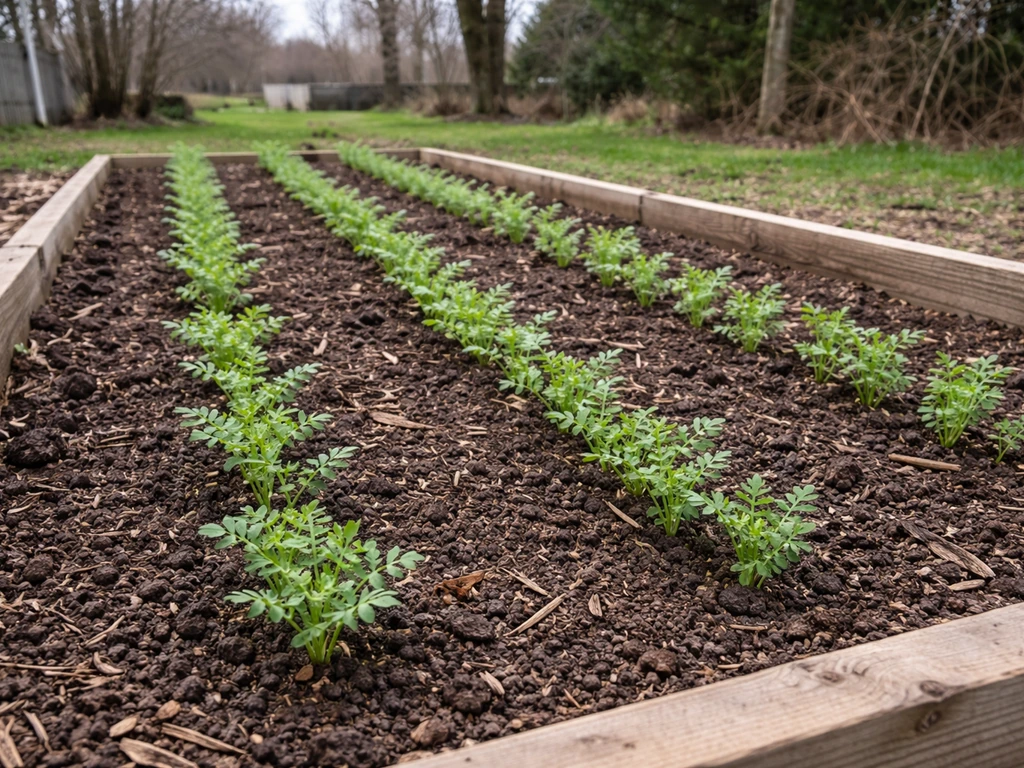
Can You Grow Chickpeas in Ohio? Planting Guide and Tips
Learn if chickpeas grow in Ohio and get an Ohio-specific planting plan, variety tips, soil care, and harvest timing.
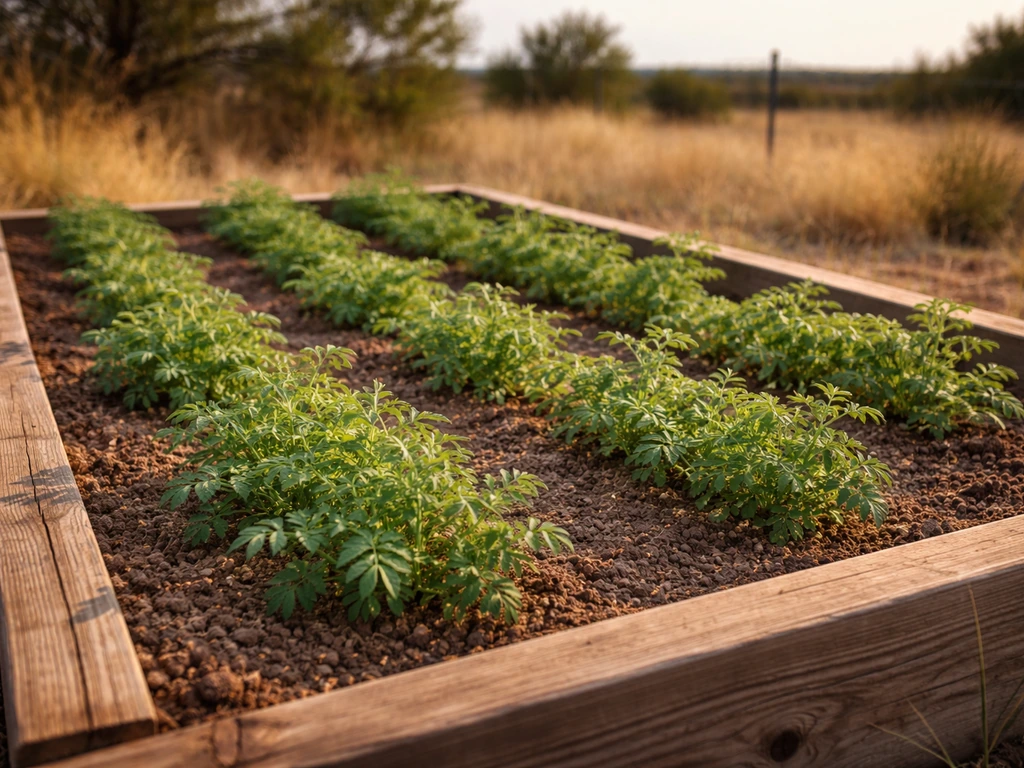
Can You Grow Chickpeas in Texas? Planting Guide
Learn if you can grow chickpeas in Texas, plus timing, soil needs, pests, and troubleshooting for better yields.
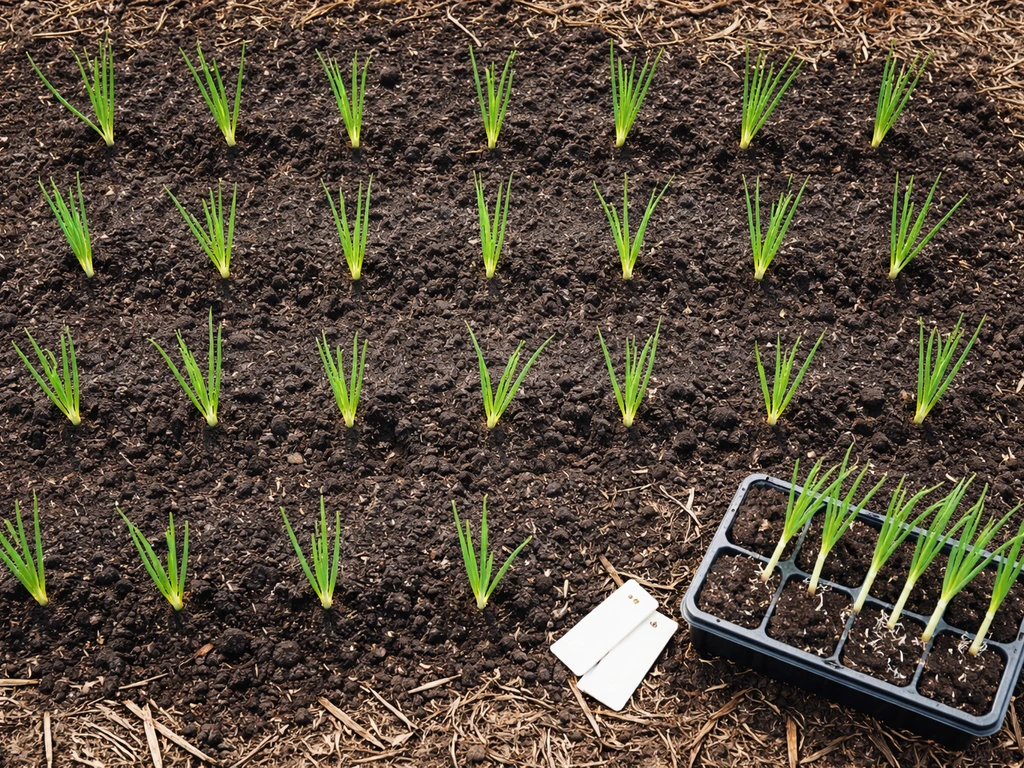
Can You Grow Short Day Onions in the North? How-To Guide
Yes, you can. Learn how to pick short-day onion varieties and plant timing for cold northern climates.