
Yes, you can grow goji berries in California, and in most parts of the state they actually thrive. Goji (Lycium barbarum is the main cultivated species) is naturally adapted to arid, semi-arid, and Mediterranean climates, which makes it a surprisingly good fit for much of California. The Central Valley, Sierra foothills, and inland Southern California are sweet spots. Coastal zones and high-desert areas work too, with small adjustments. The only places you'll fight the plant are the low, waterlogged soils of the Sacramento-San Joaquin Delta and the extreme low-desert floor of the Imperial Valley in peak summer, but even those can be managed with the right approach.
Can You Grow Goji Berries in California: Regional Guide
Marcus Holloway
27 Jul 2026
Region-by-region verdict for California
California spans roughly USDA zones 4 through 11, so 'California' as a growing context is almost meaningless without narrowing it down. Here's a quick verdict for each major region.
| Region | USDA Zones | Verdict | Main challenge |
|---|---|---|---|
| Coastal California (Bay Area, Central Coast, coastal SoCal) | 9b–11 | Good to excellent | Mild winters may limit dormancy; foggy sites can encourage fungal issues |
| Central Valley (Sacramento & San Joaquin Valleys) | 9–10 | Excellent | Hot dry summers need reliable irrigation; alkaline soils common |
| Sierra Foothills (below ~4,500 ft) | 7–9 | Excellent | Near-ideal; cold winters provide needed dormancy, warm summers boost yield |
| High Sierra / Northeast Mountains (above ~4,500 ft) | 4–6 | Good | Short growing season; late spring frosts can hit new growth |
| Southern California Inland (Riverside, San Bernardino) | 9–10 | Very good | Intense summer heat; water is the limiting factor |
| Southern California High Desert (Antelope Valley, Victor Valley) | 7–9 | Good | Temperature swings and alkaline soil need management |
| Low Desert (Coachella Valley, Imperial Valley) | 10–11 | Marginal to difficult | Summers above 115°F can cause defoliation and fruit drop |
How goji plants handle California's heat, cold, and microclimates
Goji is a deciduous woody shrub that actually wants a cold dormancy period. It tolerates temperatures well below 0°F in hardened dormancy, so cold is almost never the limiting factor in California. Heat is a bigger conversation. Lycium barbarum handles 100°F-plus dry heat reasonably well as long as roots stay moist, but sustained temps above 110–115°F (common in Coachella Valley and Imperial Valley summers) can trigger leaf drop and abort developing fruit. In those zones, afternoon shade from a wall or larger tree can extend the productive season by several weeks.
The coastal marine layer is a mixed story. Cool, foggy summers along the Central Coast and coastal Bay Area slow the plant's development and can reduce fruit sugar content compared to hotter inland sites, but the plants stay healthy and produce a moderate crop. Persistent leaf wetness in dense-fog microclimates does increase the risk of powdery mildew and botrytis, so spacing and airflow matter more on the coast than anywhere else. In inland valleys with true Mediterranean summers, think Napa, Paso Robles, or the Sacramento foothills, goji absolutely loves the heat-by-day and cool-by-night pattern.
Which goji species and varieties to choose for California
Stick with named Lycium barbarum cultivars over generic seed-grown plants or unnamed Lycium chinense material. L. barbarum is the primary commercial species and performs more consistently in California's Mediterranean climate. L. chinense is closely related and sometimes sold interchangeably in trade, but its fruit quality and yield are generally considered secondary to L. barbarum. For named cultivars, here's what's worth your attention:
- Crimson Star (One Green World): The most widely available named cultivar in the U.S. Vigorous, heavy-bearing, tolerant of heat and moderately alkaline soil. Good first choice for Central Valley and inland SoCal growers.
- Golden Goji (One Green World): Produces yellow-orange fruit; slightly milder in flavor. Performs similarly to Crimson Star in warm interior climates.
- Big Lifeberry (Dave Wilson Nursery): Larger fruit, lower chill requirement, marketed specifically for mild-winter zones — a good pick for coastal and low-elevation SoCal sites where dormancy is shallow.
- Sweet Lifeberry (Dave Wilson Nursery): Reportedly sweeter fresh flavor. Works well in Sierra foothills and Central Valley where summer heat concentrates sugars.
- Unnamed Chinese imports: Avoid these unless you can verify source and disease-free certification. Quality and cold-tolerance claims are unreliable.
One practical note: nursery hardiness claims vary quite a bit between product pages. Some list 'hardy to -15°F,' others simply say 'zone 5.' Cross-check any hardiness claim against USDA zone maps for your specific address rather than your general city or county, because local cold-air drainage can shift your effective zone by a full number.
Choosing the right planting site
Light
Goji wants full sun, at least 6 to 8 hours of direct sun daily. In inland and desert locations, a site that gets slight afternoon shade (from a fence or building to the west) is fine and actually reduces heat stress in zones 10–11. On the coast, maximize sun exposure; shaded coastal sites produce few flowers.
Soil, pH, and drainage
Goji's optimal pH range is roughly 6.8 to 8.1, which happens to match the naturally alkaline soils across most of inland and Southern California, this is one reason the plant does so well here without much soil intervention. It grows best in well-drained sandy loam or loamy soils. Heavy clay soils (common in parts of the Bay Area and Sacramento Valley) and soils with poor drainage are the main cause of root rot from Phytophthora and Pythium. If you're in clay, either build a raised bed at least 12 inches tall, or amend heavily with coarse sand and pumice before planting. Avoid planting in low spots where water pools even briefly.
Microclimate and airflow
A south- or southwest-facing slope is ideal in the Sierra foothills and northern interior zones, it extends your effective growing season by warming the soil earlier in spring. In hot inland valleys, a north-facing wall or wind-break to the east can moderate afternoon temps without blocking morning sun. Coastal growers should prioritize open, breezy sites over sheltered corners where fog moisture lingers.
Planting basics: ground vs. container, timing, and step-by-step instructions
Ground vs. container
Ground planting gives far better long-term results. Goji develops a deep taproot, and plants in the ground are more drought-tolerant, longer-lived, and significantly higher yielding. Container growing is genuinely feasible, use at least a 5-gallon pot at planting and step up to 15-gallon within two years, but container plants need more frequent watering, more fertilization, and won't reach the yield potential of in-ground plants. Container culture makes sense for apartment balconies, renters, or growers in extreme low-desert zones who want to move plants to shade in peak summer. If you're exploring other greenhouse-friendly crops, see can you grow hops in a greenhouse for guidance on cultivating hops under glass.
Best planting times by region
| Region | Ideal Planting Window | Notes |
|---|---|---|
| Coastal California | Year-round; peak: October–April | Mild winters allow establishment with minimal stress |
| Central Valley | February–April or October–November | Avoid summer planting; heat stress on new transplants |
| Sierra Foothills (below 4,500 ft) | March–May or October | Plant after last hard frost; fall planting builds roots before summer |
| High Sierra / NE Mountains | April–May only | After last frost; short window before summer |
| Inland Southern California | February–April or October–November | Same principle as Central Valley |
| Low Desert | October–February | Establish in cooler months; avoid planting March–September |
Step-by-step planting instructions
- Choose a site with full sun and well-drained soil. Test or estimate your soil pH — aim for 6.8–8.1.
- Dig a planting hole twice the width of the root ball and no deeper than the root ball height.
- If your soil is heavy clay, mix 20–30% coarse pumice or perlite into the backfill and consider a raised mound 8–12 inches above grade.
- Remove the plant from its container and gently loosen circling roots.
- Set the plant so the root flare sits at or very slightly above the surrounding soil surface. Never plant deep.
- Backfill with native soil (amended only for drainage if needed). Do not add heavy doses of compost directly against the roots — excessive nitrogen at planting pushes leafy growth over root establishment.
- Water in thoroughly to collapse air pockets.
- Apply 2–3 inches of wood-chip mulch in a 2-foot radius around the plant, keeping mulch away from the trunk by 3–4 inches.
- Water every 2–3 days for the first 2 weeks, then shift to a weekly deep-soak schedule and check soil moisture before each irrigation.
Propagation: seed, cuttings, or buying nursery stock
You have three realistic paths to a goji plant: growing from seed, taking or sourcing cuttings, or buying container-grown nursery stock. Each has real trade-offs worth understanding before you commit time.
Seed propagation
Seed-grown goji is slow and variable. Germination is improved significantly by cold, moist stratification: place seeds in damp paper towel or fine sand, seal in a bag, and refrigerate at 3–5°C (37–41°F) for 30 to 60 days minimum, some sources suggest up to 120 days for particularly stubborn seed lots. After stratification, sow indoors 6–8 weeks before your last frost date, barely covering seeds with fine vermiculite. Germination at 65–75°F typically takes 7–14 days. The downside: seed-grown plants can take 3 or more years to reach meaningful production, and traits like fruit size and yield are unpredictable without named-variety seed.
Hardwood and softwood cuttings
Cuttings are the better home-grower option. Take 6–10 cm (about 2.5–4 inches) semi-hardwood cuttings from current-season shoots in late summer, or hardwood cuttings in late winter just before bud break. Remove lower leaves, leaving 2–3 leaves at the tip. Dip the cut end in IBA rooting hormone (powder or gel, 3,000–8,000 ppm). Insert into a 50/50 mix of peat and perlite or peat and coarse sand. Keep consistently moist and under bright indirect light or a shaded greenhouse. Rooting typically happens in 3–6 weeks. Cutting-propagated plants maintain the exact traits of the parent and usually produce fruit in year 2.
Buying nursery stock
For most California home gardeners, buying a named-variety container plant is simply the best use of your time. You get a known cultivar, confirmed health, and you skip 1–2 years of establishment. One Green World, Dave Wilson Nursery, Burnt Ridge, and Raintree Nursery are reputable U.S. sources with cultivar descriptions and hardiness information. Look for California-based nurseries too, plants grown in a similar climate are already adapted to your watering rhythm and soil mineral content.
Spacing, trellising, and pruning
Spacing
For a home hedge or multi-plant row, space plants 3–5 feet apart in-row and 6–8 feet between rows. Commercial Ningxia plantings use approximately 1 meter in-row by 1. A UC Davis-hosted chapter (Hummer et al.) notes Ningxia commercial spacing of about 1.0 m between plants × 1.5 m between rows (≈6,600–10,000 plants/ha) and reports elite genotype yields of roughly 7,845 kg/ha in earlier literature, with higher yields observed in newer trials. 5 meters between rows (roughly 3.3 ft x 5 ft), which works at small scale too if you're willing to prune aggressively. Closer spacing increases management work but keeps picking convenient.
Training systems
Goji naturally wants to sprawl and arch, and it will do so aggressively if you let it. The two practical training systems for California growers are: (1) a free-standing open-vase bush, which is the lowest-maintenance option and works well for home gardens; and (2) a simple single-wire or double-wire trellis at about 3–4 feet tall, which makes harvesting faster and keeps plants off the ground. The trellis system is worth the setup time if you're growing 5 or more plants. For a single decorative plant, the open-vase bush is fine.
Pruning schedule
Goji fruits on current-season wood, so the goal of pruning is to encourage vigorous new shoots every year. Here's a simple annual rhythm: In late winter (January–February in Central Valley and coastal zones, March in the foothills), cut back all side branches by about one-third and remove any crossing, dead, or downward-pointing canes entirely. After harvest in late summer, do a light tidy-up pass to remove exhausted fruiting laterals and any diseased material. In year one, pinch growing tips when plants reach about 12–15 inches tall to force branching and build a strong framework. Don't let a year-one plant fruit heavily, remove most flowers to let roots establish.
Irrigation and water scheduling
Goji is more drought-tolerant than most fruiting shrubs once established, but it is not a true xeriscape plant if you want yield. The best reference for building your irrigation schedule is CIMIS (California Irrigation Management Information System), which gives you reference evapotranspiration (ETo) data for your specific region. Use a crop coefficient (Kc) in the range of 0.4–0.7 for established goji plants, similar to other deciduous woody shrubs, and adjust based on CIMIS ETo values in your zone. Do not try to copy irrigation volumes from Ningxia, China trial data; those numbers reflect completely different soil, climate, and delivery system conditions.
Establishment-year irrigation (months 1–12)
Water 2–3 times per week during the first summer, keeping the root zone moist but never saturated. New plants cannot access deep water yet and will show heat stress quickly in a Central Valley or inland summer. Drip irrigation with a 1–2 gallon-per-hour emitter at the base of each plant is ideal. Gradually extend intervals toward the end of the first growing season as the root system expands.
Mature-plant irrigation by region
| Region | Peak-summer frequency | Off-peak (fall/spring) | Notes |
|---|---|---|---|
| Coastal | Every 7–10 days | Every 14–21 days | Fog reduces ETo; monitor closely, avoid overwatering |
| Central Valley | Every 3–5 days (drip) | Every 7–10 days | High ETo in July–August; drip irrigation strongly recommended |
| Sierra Foothills | Every 5–7 days | Every 10–14 days | Cooler nights reduce daily water demand vs. valley floor |
| Inland SoCal | Every 3–5 days (drip) | Every 7–10 days | Similar to Central Valley; watch salinity in recycled water |
| Low Desert | Every 2–3 days at peak heat | Every 5–7 days | Extreme ETo; shade cloth reduces demand in July–August |
On salinity: if you irrigate with high-mineral water (common in parts of the Salinas Valley, Southern California, and the high desert), goji tolerates moderate salinity better than many crops but will show leaf margin burn and reduced vigor if EC exceeds roughly 4–5 dS/m at the root zone. Leach salts periodically with a deep irrigation event every 4–6 weeks during the growing season.
Fertilization and soil amendments for California soils
Goji is not a heavy feeder, which is actually one of its virtues. Over-fertilizing, especially with nitrogen, pushes lush leafy growth at the expense of flowers and fruit, and makes the plant more attractive to aphids. Here's a practical fertilization framework:
- At planting: Work a balanced slow-release granular fertilizer (e.g., 5-5-5 or similar) into the surrounding soil at the manufacturer's rate. Avoid high-nitrogen amendments directly in the planting hole.
- Late winter (year 2 onward): Apply a balanced fertilizer with moderate nitrogen and added potassium — something like a 6-12-12 or fruit-tree blend — around the drip line as growth resumes. Potassium supports flower set and fruit quality.
- Early summer: A light supplemental nitrogen application (e.g., a diluted fish emulsion or 1/4 rate of a balanced granular) during rapid shoot and fruit development can support yield, but keep it light.
- Soil pH management: If your Central Valley or Southern California soil tests above pH 8.5, apply agricultural sulfur at the label rate to gently lower pH into the 7.5–8.1 range. Repeat soil testing every 2 years.
- Micronutrients: Goji in high-pH soils can show iron and zinc deficiency (yellowing between leaf veins). Apply chelated iron and zinc as a foliar spray or soil drench in early spring if deficiency symptoms appear.
Pest and disease management in California
Common pests
- Aphids: The most common goji pest in California. Tend to cluster on new shoot tips in spring. Knock off with a strong water spray, or apply insecticidal soap. Beneficial insects (lacewings, lady beetles) handle aphid populations well if you don't use broad-spectrum pesticides.
- Spider mites: Appear in hot, dry summers — especially in the Central Valley and inland SoCal. Yellow stippling on leaves is the sign. Overhead irrigation suppresses mites on small plants; neem oil or sulfur sprays work for heavier infestations.
- Thrips: Can damage flowers and reduce fruit set. Monitor with sticky yellow traps. Spinosad is effective organically.
- Root-knot nematodes: A risk in warm sandy soils common in parts of the San Joaquin Valley. Solarize soil before planting if nematodes are a known issue in your garden.
- Gall mites (Aceria kuko): Cause leaf galls; rarely kills plants but reduces vigor. Remove and destroy affected leaves; avoid overhead watering.
Common diseases
- Powdery mildew: Most common on coastal sites and in humid microclimates. Improve airflow by thinning the canopy. Potassium bicarbonate or sulfur sprays applied preventively help during high-risk periods.
- Phytophthora and Pythium root rot: Caused by poor drainage or overwatering. Prevention is everything — fix drainage before planting. Once established in soil, these pathogens are nearly impossible to eliminate. Remove and destroy affected plants.
- Botrytis (gray mold): Affects developing fruit in cool, foggy coastal conditions. Keep canopy open, harvest ripe fruit promptly, and avoid overhead irrigation at fruiting time.
- Anthracnose: Can appear on fruit in warm humid conditions. Copper-based fungicides applied at early fruit development offer some protection.
For an IPM-first approach: scout plants weekly during the growing season, start with the least-invasive intervention (water sprays, hand removal, beneficial insects), and reserve sprays for situations where damage thresholds are clearly exceeded. Most healthy, well-sited goji plants in California have low pest pressure.
Harvesting, drying, storage, and yields
When and how to harvest
Goji berries ripen over an extended window, typically from midsummer through early fall (July–October in most California regions), so you harvest in multiple passes rather than one big pick. Ripe berries are bright orange-red, slightly firm but yielding to a gentle squeeze, and pull cleanly from the stem. Don't squeeze them too hard, ripe goji bruise easily and the juice stains immediately. The best method is to hold a bucket or tray under a branch and roll ripe berries off gently with your fingers, or lay a tarp and shake carefully.
Drying and storage
Fresh goji berries are intensely flavored and perishable, use within a few days refrigerated. For longer storage, dry them. Spread berries in a single layer on drying screens in a warm, well-ventilated spot out of direct sun, or use a food dehydrator at 125–135°F until leathery and dry (typically 8–14 hours in a dehydrator, 3–7 days air-dried depending on humidity). Dried berries store in an airtight container for 6–12 months at room temperature, or up to 2 years frozen. Beyond eating fresh or dried, they work well in smoothies, teas, grain bowls, trail mix, and as a cooking ingredient in savory dishes.
Expected yields
A mature in-ground goji plant in a good California site (year 3 onward) can yield 2–5 lbs of fresh fruit per season with home-garden management. Optimized small-farm plantings in the Central Valley with drip irrigation and proper pruning can push yields significantly higher, commercial trials in comparable climates report fresh fruit yields of roughly 9,000–14,000 kg per hectare, though those numbers represent elite genotypes under intensive fertigation. Marginal sites (heavy shade, heavy clay, low-desert extreme heat) often produce under 1 lb per plant. Container plants typically yield 0.5–2 lbs per season.
Troubleshooting common problems
| Symptom | Likely cause | Fix |
|---|---|---|
| Few or no flowers/fruit | Excessive nitrogen, too much shade, or plant under 2 years old | Reduce nitrogen; increase sun exposure; wait for plant maturity |
| Leaf yellowing (interveinal) | Iron or zinc deficiency in high-pH soil | Apply chelated iron/zinc foliar spray; check and adjust soil pH |
| Sudden wilting despite moist soil | Phytophthora or Pythium root rot | Check drainage; remove affected plants; do not replant goji in same spot |
| Leaf drop in summer | Heat stress (above ~110°F) or water stress | Add temporary shade in low desert; check irrigation emitter function |
| White powdery coating on leaves | Powdery mildew | Improve airflow; apply potassium bicarbonate or sulfur spray |
| Leaf galls or deformed new growth | Gall mites (Aceria kuko) | Remove and destroy affected leaves; avoid overhead watering |
| Sunscald on fruit (bleached, shriveled spots) | Intense direct sun at peak heat, especially low desert | Provide partial afternoon shade; harvest fruit promptly when ripe |
| Spindly, non-branching growth | Insufficient pruning or too little light | Prune back harder in late winter; improve light exposure |
Your practical planting and care checklist
- Confirm your USDA zone and microclimate using USDA zone maps and local frost data.
- Assess your site: full sun (6+ hours), well-drained soil, pH 6.8–8.1. Fix drainage issues before planting.
- Choose a named L. barbarum cultivar appropriate to your region (see variety notes above).
- Purchase a container-grown plant from a reputable nursery with disease-free certification.
- Plant in the correct seasonal window for your region (see planting timing table above).
- Install a drip emitter at planting if possible — especially important in Central Valley, inland SoCal, and desert zones.
- Apply 2–3 inches of mulch around (but not against) the trunk.
- Year one: remove most flowers to redirect energy to root development.
- Late winter, year two onward: prune back side branches by one-third; remove dead and crossing wood.
- Fertilize conservatively with a balanced slow-release product in late winter and monitor for deficiency symptoms.
- Scout weekly for aphids, mites, and mildew; address early with the least invasive method.
- Harvest in multiple passes July–October as fruit turns bright orange-red.
- Dry, freeze, or use fresh within a few days of picking.
Where to buy goji plants in California and what to look for
Buying the right plant from the right source saves significant frustration. Here's what matters when you're selecting stock.
Reliable sources
- One Green World (Portland, OR): Ships nationwide; carries Crimson Star and Golden Goji with detailed variety notes and hardiness info. Good cultivar documentation.
- Dave Wilson Nursery (Hickman, CA): A California-based wholesale nursery whose plants are distributed through independent retail nurseries across the state. Look for Lifeberry series. Buying locally grown stock is an advantage.
- Burnt Ridge Nursery and Raintree Nursery: Pacific Northwest mail-order sources with solid goji selections and honest growing notes.
- Local independent California nurseries and farmers markets: Check for goji in the edible-plant section. Locally grown container stock is already adapted to your watering conditions.
Nursery checklist: what to ask and look for
- Is this a named cultivar? If not, pass — unnamed goji seedlings are a gamble on yield and fruit quality.
- Is the plant certified disease-free or propagated from certified clean stock?
- What is the confirmed USDA hardiness zone rating for this specific cultivar?
- Is it L. barbarum or L. chinense? Ask directly. Some sellers conflate the two.
- Look at the root system if you can: healthy white or cream-colored roots, no black or mushy tissue, no root-girdling.
- Avoid plants with aphid colonies on new growth, whitish leaf coating (mildew), or leaf distortion (mites). These problems follow the plant home.
- If buying online, check that the seller ships in appropriate weather windows — bare-root or dormant-plant shipments in spring are fine; container plants shipped in peak July heat need proper packaging.
Better alternatives when goji isn't the right fit
Goji is genuinely versatile in California, but there are a few situations where a different crop makes more sense. If you're in the Coachella Valley or Imperial Valley with peak summer temps above 115°F and limited water, consider date palms, pomegranates, or figs, all better adapted to extreme low-desert conditions. If you're interested in peppers in hot inland valleys, see can you grow Hatch chiles in California for guidance on cultivating Hatch chiles in similar conditions. If you're curious about agave as a low-water alternative, see can you grow agave in California. For coastal growers in perpetually cool, foggy microclimates who want easy high-yield berries, blueberries (in amended, acidic raised beds) or strawberries will outperform goji in both volume and reliability. In heavy, poorly-drained soils in the Bay Area or Sacramento Valley delta, elderberry (Sambucus) or currants handle wet conditions far better than goji ever will. And if your primary goal is a drought-tolerant, low-water ornamental with edible benefits in the high desert, longan and other warm-climate fruiting plants may or may not be a better fit, it depends heavily on your microclimate and water situation, which is worth checking in detail for your specific area. If you're curious about growing agave in colder climates, see can you grow agave in michigan for specific guidance. If you want other low-water plants, check can you grow agave in the US for guidance on agave's suitability across American climates.
Month-by-month regional calendar
| Month | Coastal | Central Valley | Sierra Foothills | Inland SoCal / Low Desert |
|---|---|---|---|---|
| January | Light pruning; check soil drainage | Hard pruning while fully dormant | Plant dormant; hold pruning until Feb | Low desert: plant now; inland SoCal: prune |
| February | Prune; apply balanced fertilizer | Prune; apply fertilizer as buds swell | Late pruning; fertilize | Prune; fertilize; increase irrigation |
| March | Increase irrigation as growth resumes | Increase irrigation; monitor for aphids | Plant now if frost risk passed | Growth flush; scout for pests; drip irrigation active |
| April | Scout for pests; first flower buds | Scout aphids; first flowers forming | Irrigate as temps rise | Rapid growth; manage aphids; irrigation 2–3x/week |
| May | Light irrigation; thin flowers on yr-1 plants | Increase irrigation; manage spider mites | Flowers appear; increase irrigation | Heat building; check drip emitters |
| June | First fruit set; harvest begins mid-coast | Early fruit set; irrigation 3–5x/week drip | Early fruit development | Peak water demand; shade cloth in low desert |
| July | Harvest; continue irrigation | Peak harvest; max irrigation demand | Main harvest window begins | Harvest early morning; max irrigation; shade if needed |
| August | Harvest continues; monitor mildew | Heavy harvest; post-harvest pruning of spent laterals | Peak harvest; continue irrigation | Harvest continues; reduce irrigation slightly late August |
| September | Harvest wrapping up; reduce irrigation | Final harvest; reduce irrigation | Final harvest; reduce water | Final harvest; reduce irrigation; remove shade cloth |
| October | Fall planting window opens | Fall planting window; hold fertilizer | Plant if above frost risk; prep soil | Good planting time; light irrigation |
| November | Plant new stock; reduce irrigation | Reduce irrigation; plant bareroot | Plant before first hard frost | Plant; minimal irrigation |
| December | Dormant; minimal water | Fully dormant; no irrigation needed | Dormant; protect from hard freezes in low spots | Low desert: plant bareroot; minimal irrigation |
Go/no-go decision guide: should you plant goji in California?
If you can answer yes to the following criteria, plant goji. If you're hitting multiple 'no' answers, either fix the limiting factor first or choose an alternative crop.
| Criterion | Go | No-go |
|---|---|---|
| USDA zone | Zones 4–10 | Zone 11 (extreme low desert) without shade management |
| Sun exposure | 6+ hours direct sun daily | Under 4 hours, deep shade |
| Soil drainage | Drains within 1 hour after heavy rain | Pools or stays wet for 6+ hours |
| Soil pH | 6.5–8.5 (adjustable) | Below 5.5 without significant amendment plan |
| Water access | Drip irrigation or reliable manual watering available | No irrigation source; depends on rainfall alone in summer |
| Peak summer temps | Below 110°F average max, or shade available | Sustained above 115°F with no cooling options |
| Goal | Edible berry production, ornamental hedge, or both | Large-scale commercial operation without trials first |
If you're a go: buy a named L. barbarum cultivar (Crimson Star or a Lifeberry series for most California sites) from a reputable nursery, plant it in a well-drained sunny spot during your region's optimal window, install a drip emitter at the base, and plan for year-one establishment without expecting heavy fruit. By year 3, a well-sited California goji plant is genuinely productive and low-maintenance, it's one of the more rewarding edible shrubs you can grow here. For other regional growing guides, see our article 'Can you grow hops in Michigan' which offers a similar state-focused overview for hop cultivation.
FAQ
Can you grow goji berries in California—short definitive answer by region?
Yes—goji (Lycium spp., primarily L. barbarum and L. chinense) can be grown across much of California, but success depends on microclimate and site. Quick region-specific summary: - Coastal (cool maritime, USDA ~8–10): Yes — excellent fit; mild winters and cool summers reduce heat stress and flowering damage. - Central Valley (hot summers, USDA ~8–10 inland lowlands): Yes with heat-tolerant varieties, afternoon shade in hottest sites, and careful irrigation. - Sierra Foothills and higher elevations (cold winters, USDA ~5–7): Conditional — choose cold-hardy cultivars and sheltered sites; expect slower establishment and risk of winter dieback in USDA zone ≤5. - Southern Deserts (very hot, low humidity, USDA ~9–11): Conditional — can fruit but needs shade protection in extreme heat, frequent irrigations, and salinity management. - Cool coastal fog belts and coastal terraces: Very favorable. If you are in USDA zones ~6–11 with well‑drained soil and irrigation access, goji is usually a go; in colder high-mountain pockets (zones 4–5) or water-restricted sandy soils with high salts, reconsider or use containers and protections.
How do I make an immediate go/no‑go decision for my site?
Step-by-step go/no‑go: 1) Find your USDA hardiness zone and local frost dates; if zone ≥6, likely OK with appropriate cultivar. 2) Check microclimate: full sun (6–8 hr) with well‑drained soil is ideal; extreme summer heat (>100°F regularly) or freeze risk (<-5°F) require special measures. 3) Soil: if heavy, poorly drained clay or very high salinity, plant only after remediation or in containers. 4) Water: ensure capacity for regular drip irrigation (establishment and summer). 5) If you can provide drip, mulch, 3–5 ft spacing, and a sheltered spot in cold areas, proceed. Otherwise choose alternatives (see alternatives Q&A). If the answers are mostly “yes,” you can proceed to purchase and planting.
Which goji varieties are recommended for California and where to buy plants?
Recommended varieties (proven in U.S./Mediterranean climates): - 'Crimson Star' (One Green World) — vigorous, commonly sold, good general hardiness claims. - 'Golden Goji'/'Gojiberry' selections — ornamental and edible options. - Unnamed L. barbarum clonal rootstocks available from specialty nurseries (Dave Wilson, Burnt Ridge, Raintree). Selection tips: choose named, clonal (cutting‑propagated) stock for predictable performance and earlier fruiting. Where to buy: reputable mail-order and California nurseries (One Green World, Dave Wilson Nursery, regional California specialty nurseries). Before purchase, confirm pest-free certification, cultivar name, and local hardiness claims. Small growers: buy from nurseries that list rootstock and propagation method (cutting vs seed).
Site selection and soil requirements—what exactly do I need?
Site checklist: - Light: full sun (6–8+ hours); in very hot inland or desert sites, provide afternoon shade. - Drainage: well‑drained sandy‑loam preferred; avoid soggy/waterlogged soil. - Soil pH: neutral to slightly alkaline ~6.8–8.0 best; amend if pH <6.5. - Soil prep: dig planting holes twice the root‑ball width; plant with root flare at/just above grade; backfill with native soil plus coarse sand or compost to improve structure; do not over‑amend root ball zone. - Mulch: 2–3 in. organic mulch, keep away from stem base. If heavy clay or poor drainage, plant on mounds or in raised beds/containers.
Planting, spacing and container planting—step-by-step instructions
Planting steps: 1) Timing: plant in spring after last hard frost in cold areas; fall or early spring in mild coastal/southern areas. 2) Dig hole 2× rootball width; loosen surrounding soil. 3) Set plant so root flare is at soil surface; backfill and tamp lightly. 4) Water deeply to settle soil; apply 2–3 in. mulch leaving stem clear. 5) Spacing: bush/hedgerow spacing 0.9–1.5 m (3–5 ft) in-row and 1.8–2.4 m (6–8 ft) between rows; for orchard-like hedgerows follow similar spacing or 1.0×1.5 m used in commercial trials. 6) Containers: use deep pots (≥5 gallons for young plants; larger for fruiting plants), well‑draining potting mix, and be prepared to irrigate more frequently. 7) First season: shelter from wind and extreme sun; irrigate on a schedule (see irrigation Q&A).
Propagation: seed vs cuttings—how should I propagate for home and small-scale growers?
Recommendations: - Cuttings (preferred): take 6–10 cm (2.5–4 in) semi‑hardwood cuttings from current season growth, remove lower leaves, dip in IBA rooting hormone, insert into a moist, well‑draining media (peat/perlite), maintain high humidity and warm rooting temperature; roots appear in weeks. Use cuttings to preserve cultivar traits and speed fruiting. - Seeds: can be used for breeding or rootstock; cold‑moist stratify seeds 30–60 days (some protocols up to 60–120 days) at ~3–5°C to improve germination; seedlings are variable and may take longer to fruit. For predictable results, buy clonal nursery plants.
Next Articles
Can You Grow Hatch Chiles in California? Regional Guide
Can you grow Hatch chiles in California? Regional yes/no, planting schedule, top cultivars, care, pests & roasting tips.
Can You Grow Longan in California? Zones, Tips, and Next Steps
Can you grow longan in California? Learn zones, best regions, container tips, winter freeze protection, and realistic fr
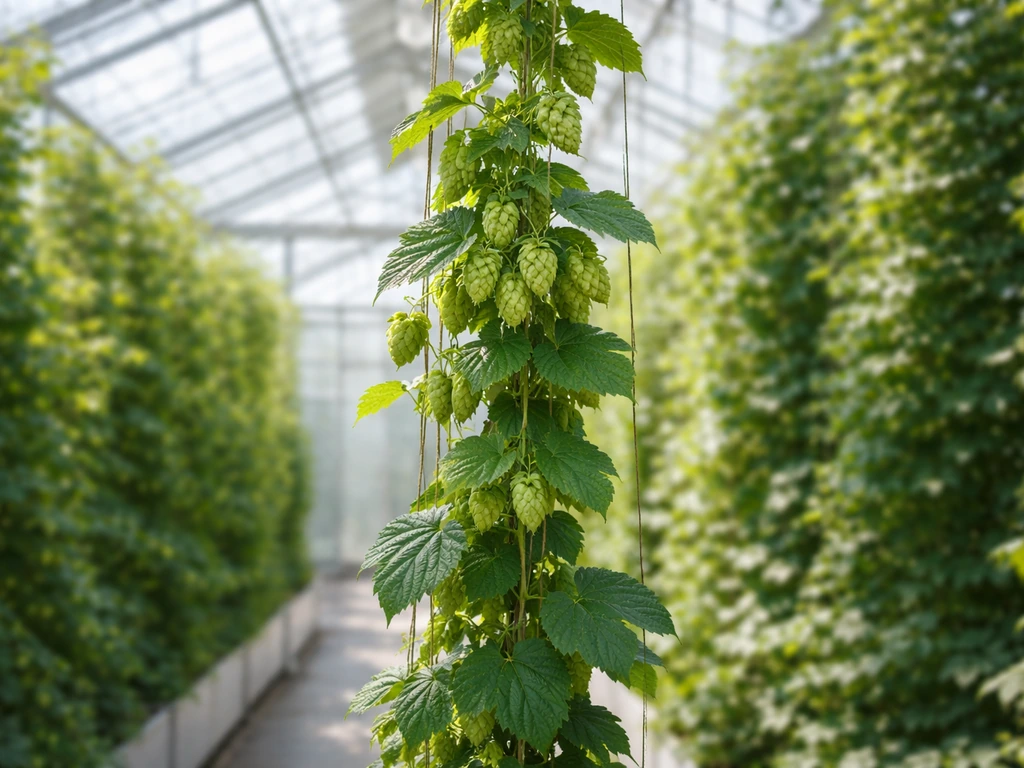
Can You Grow Hops in a Greenhouse? Full Guide
Learn if and how to grow hops in a greenhouse, with climate fit, setup, care, and troubleshooting for first cone harvest